Genres
Every genre.
Every style.
Fantasy to sci-fi to noir. Pick your genre and we'll show you which styles bring it to life — with consistent characters across every panel.
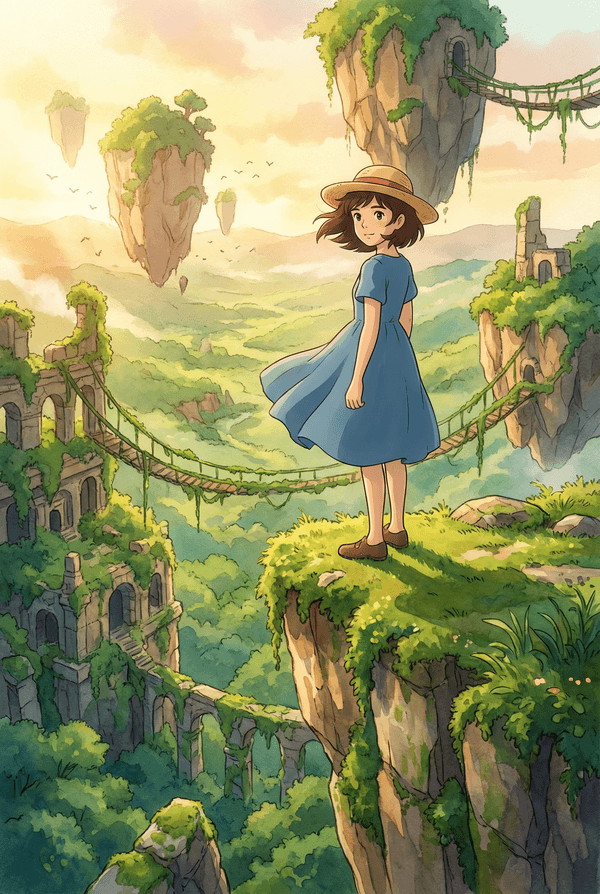
Fantasy
Epic worlds. Ancient magic. Characters worth following to the ends of the earth.
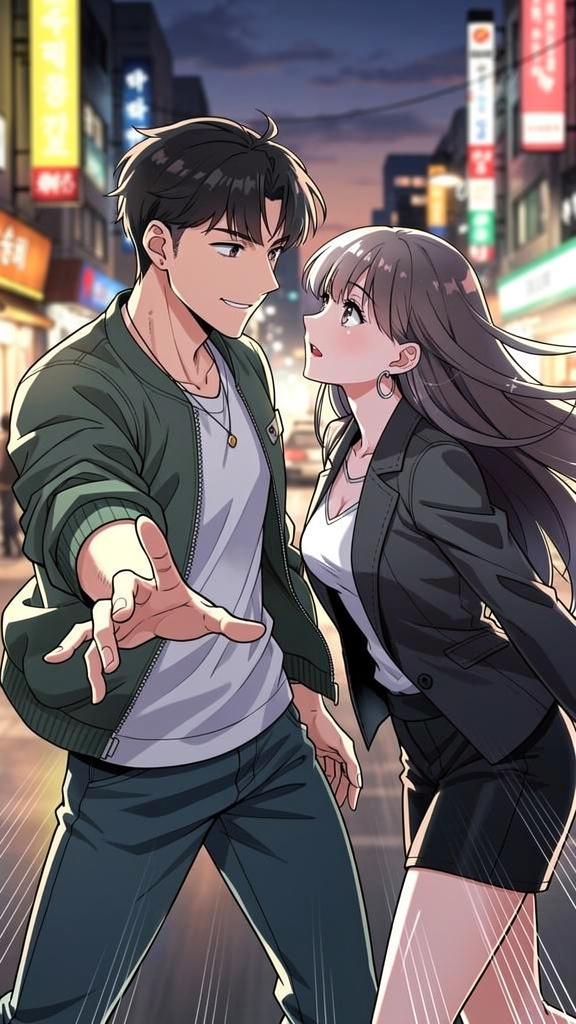
Romance
Every blush, every glance, every moment that changes everything.
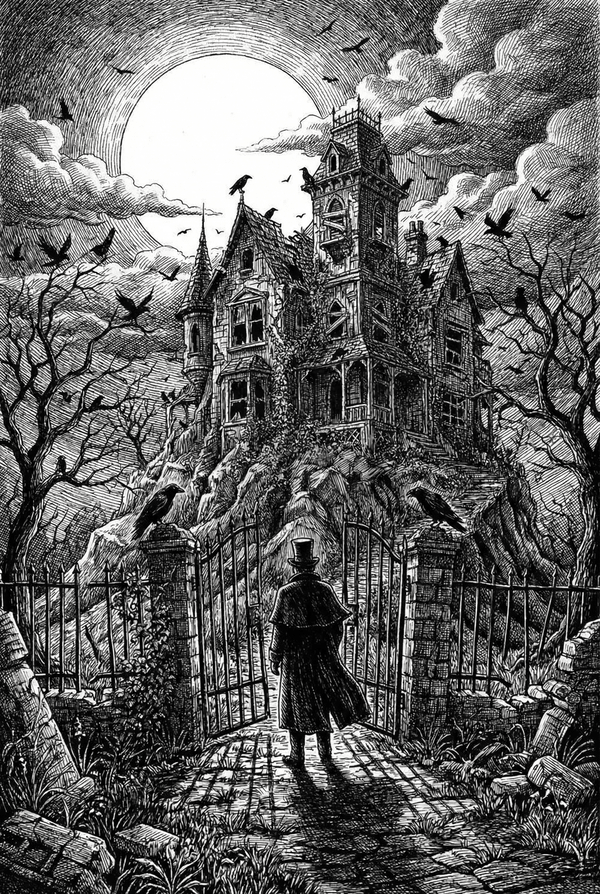
Horror
Dread lives in the details. So does everything that comes after.
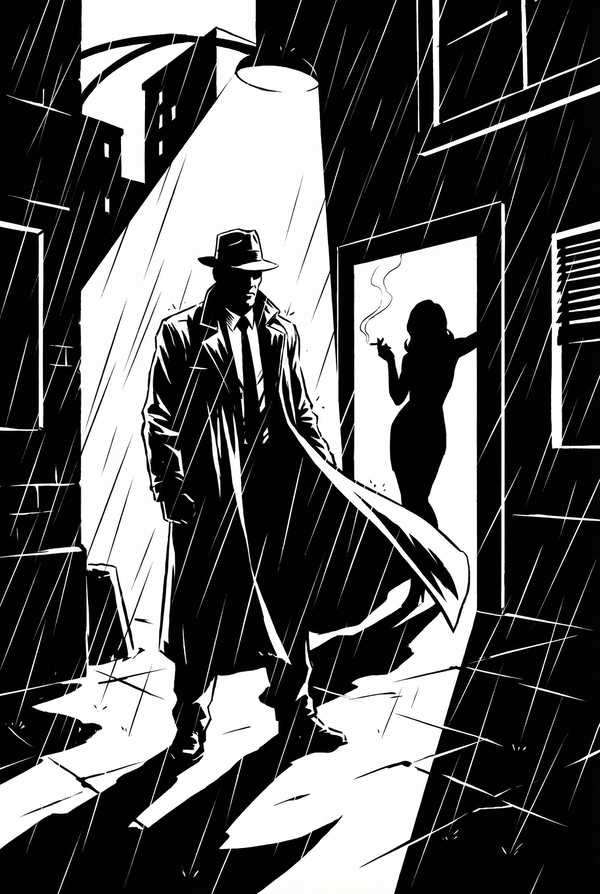
Mystery
Every panel is a clue. Every face hides something.
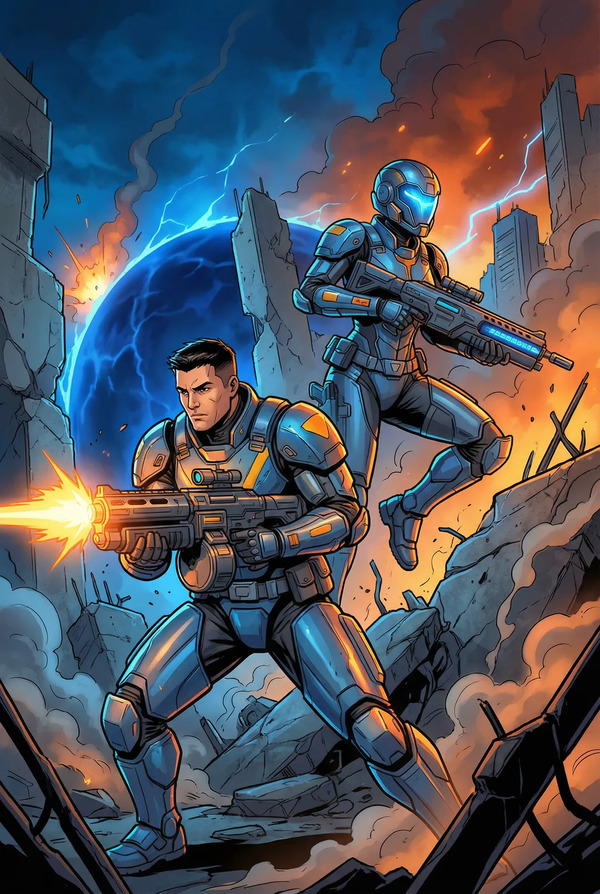
Sci-Fi
The future is vast. Your characters are the only thing that feels like home.
Adventure
The road changes you. That's the whole point.
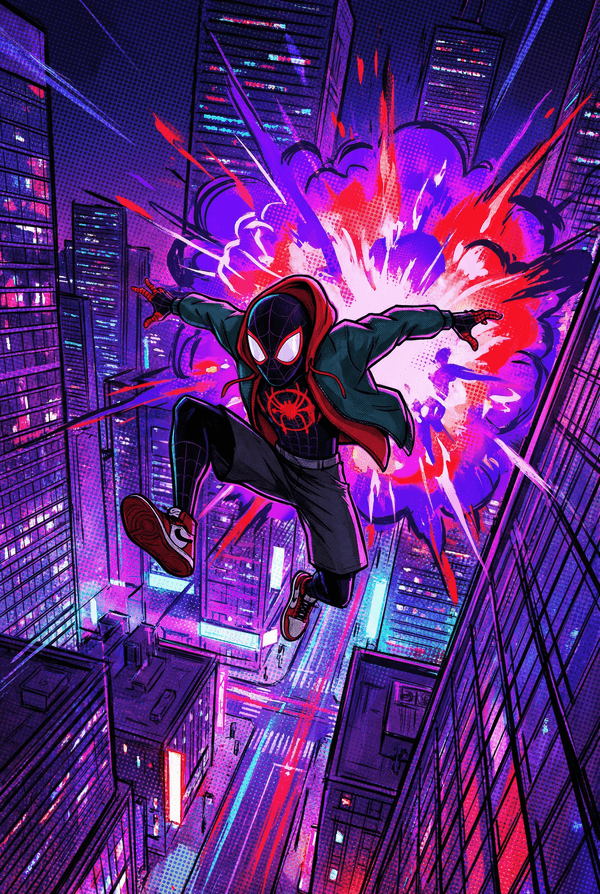
Action
The frozen moment that contains everything before and after it.
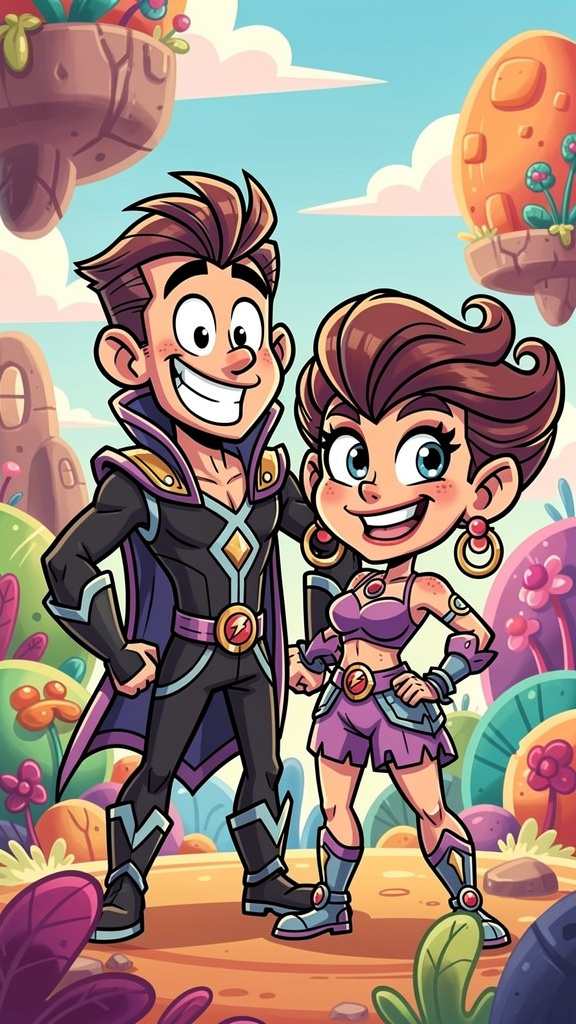
Comedy
Timing is everything. In comics, timing is the panel break.
Drama
No superpowers. No monsters. Just people making choices they can't take back.
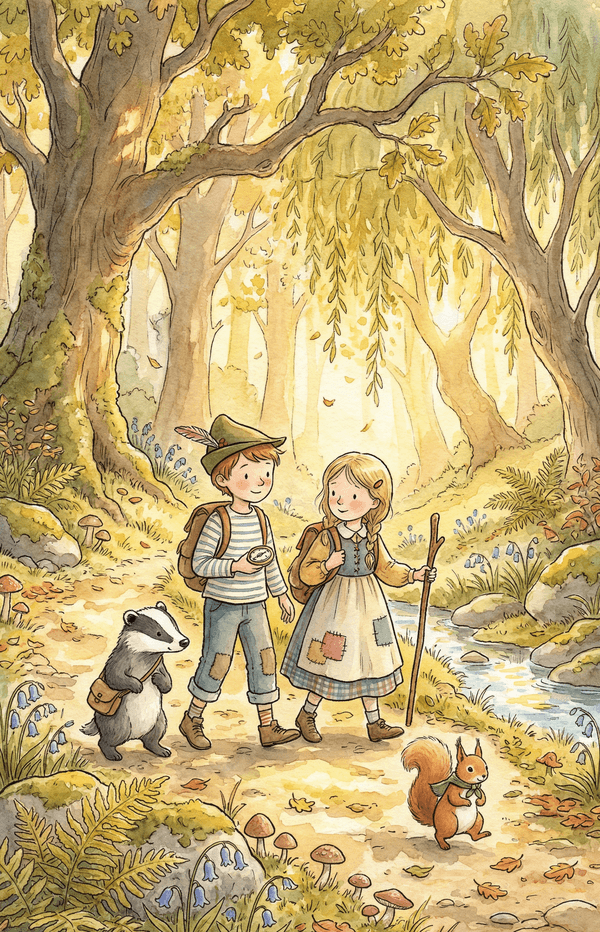
Slice of Life
The unremarkable moments that turn out to matter most.
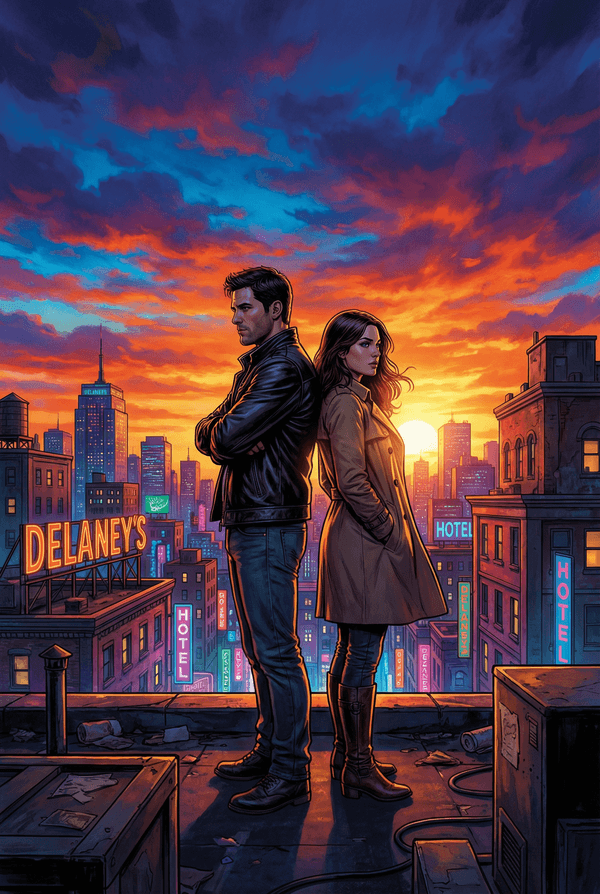
Thriller
Not a single scare. A sustained, tightening grip across fifty pages.
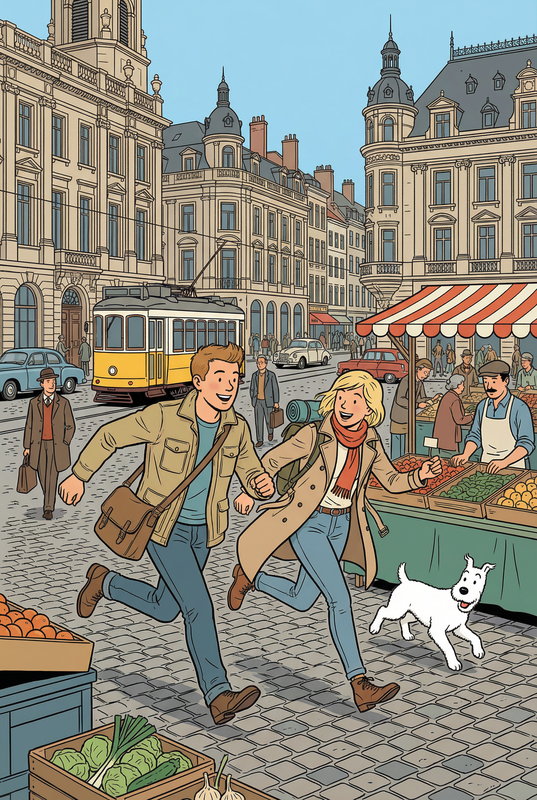
Western
Vast, indifferent, beautiful, and dangerous. The choices that define you.
Historical
The world that actually existed — and the stories it was too busy to write down.
Supernatural
The space between what can be explained and what can't.
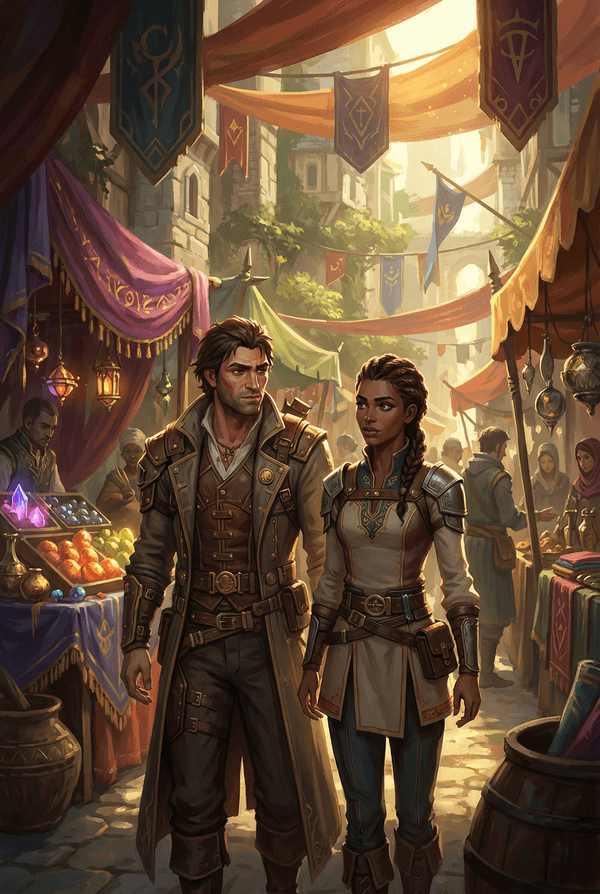
Dystopian
The present, extended to its logical conclusion.
Cyberpunk
High tech. Low life. The gap between them is where the story lives.
Steampunk
The industrial revolution, reimagined as a playground for the impossible.
Mythology
Stories that survived thousands of years. Your visual choices determine if they survive one more.
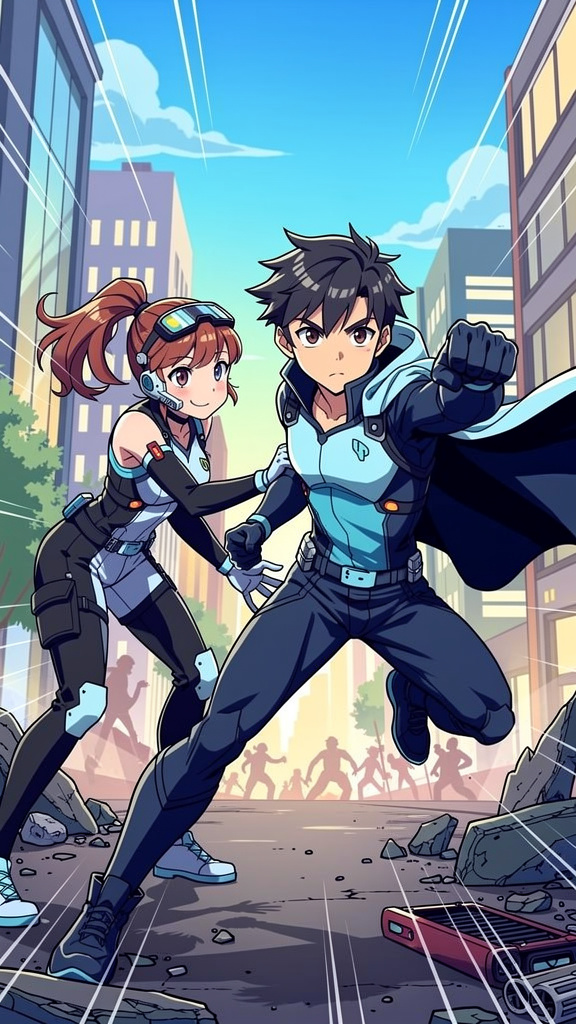
Sports
Not about the game. About what the game costs you to play.
Genre & Visual Style
Genre determines more than your story. It shapes your visual language.
A fantasy epic told in manga style hits differently than the same story rendered in dark, painterly gothic art. A comedy reads differently in bright cartoon illustration versus clean webtoon line art. Choosing the right combination of genre and style is one of the most important creative decisions you'll make — and YarnSaga helps you explore both before committing a single panel.
Each genre page shows which art styles our community reaches for most often, along with recommended prompts and the visual mood that style brings to that genre. Whether you're writing your first graphic novel or your tenth, starting with genre is the fastest path to a cohesive visual identity.
YarnSaga supports 19 genres — from high fantasy and cyberpunk to slice-of-life drama and mythology. Every genre works with every art style. Your characters stay consistent across every panel, regardless of which combination you choose.
Frequently Asked Questions
What genres can I make comics in with YarnSaga?
YarnSaga supports 19 genres: fantasy, sci-fi, romance, horror, mystery, action, adventure, cyberpunk, comedy, drama, thriller, western, mythology, steampunk, supernatural, historical, slice-of-life, sports, and dystopian. Every genre works with all 19 art styles — you can combine any genre with any visual style to get exactly the tone your story needs.
Does the art style change depending on the genre I pick?
Not automatically — you choose both genre and art style independently. YarnSaga does suggest which styles tend to work best for each genre based on what other creators use most. For example, manga and webtoon styles are popular for romance and fantasy, while noir and arcane cinematic styles suit thriller and horror. But the combination is entirely up to you.
How do characters stay consistent across genres?
YarnSaga builds a character reference sheet when you create your characters — a set of visual anchors that define how each character looks from multiple angles. Every panel generated for your story uses that reference to keep your characters recognizable across scenes, pages, and chapters. Genre affects the story tone, not the character system.
Can I mix genres in the same story?
Yes. You set a primary genre when starting your graphic novel, but nothing stops you from writing scenes that blend genres. A sci-fi story can have horror sequences, a fantasy can have romance subplots. The AI generates panels based on your scene descriptions — if the scene feels like noir, describe it that way and the imagery will match, regardless of your primary genre setting.
Which genre is best for beginners?
Slice-of-life, romance, and adventure are the easiest genres to start with because they rely on character interaction and clear scene descriptions rather than complex world-building or action choreography. Fantasy is extremely popular for first stories because the visual range is so wide — a single descriptive paragraph can generate a complete, atmospheric panel. We recommend picking the genre closest to a story you already want to tell.
What's the difference between genre and art style in YarnSaga?
Genre defines your story's narrative category — the type of plot, conflict, and emotional tone you're working with. Art style defines the visual treatment: line weight, color palette, shading approach, and panel composition. A horror story in kawaii chibi style reads very differently from the same story in gothic ink-wash style. YarnSaga lets you control both independently, so you can find unexpected combinations that make your comic distinctive.
Do I need drawing skills to make a comic in any genre?
No. YarnSaga generates the artwork from your text descriptions. You write what happens in each panel — the characters, setting, action, and mood — and the AI creates the illustrated image. You control the story, dialogue, pacing, and layout. No drawing, no Photoshop, no art training required. Your first story can be published in an afternoon.
Can I publish my genre comic when it's done?
Yes. YarnSaga generates a shareable public link for every story you publish. You can also export your comic as a PDF for offline distribution, printing, or submission to publishers. The export preserves your panel layout, speech bubbles, and page structure exactly as you designed it.
Ready?
Pick a genre.
Start your story.
Every genre works with every style. Your characters stay consistent across every panel — no drawing skills required.