Art Style
Manga / Anime Comic Style
Expressive, vibrant, and globally beloved
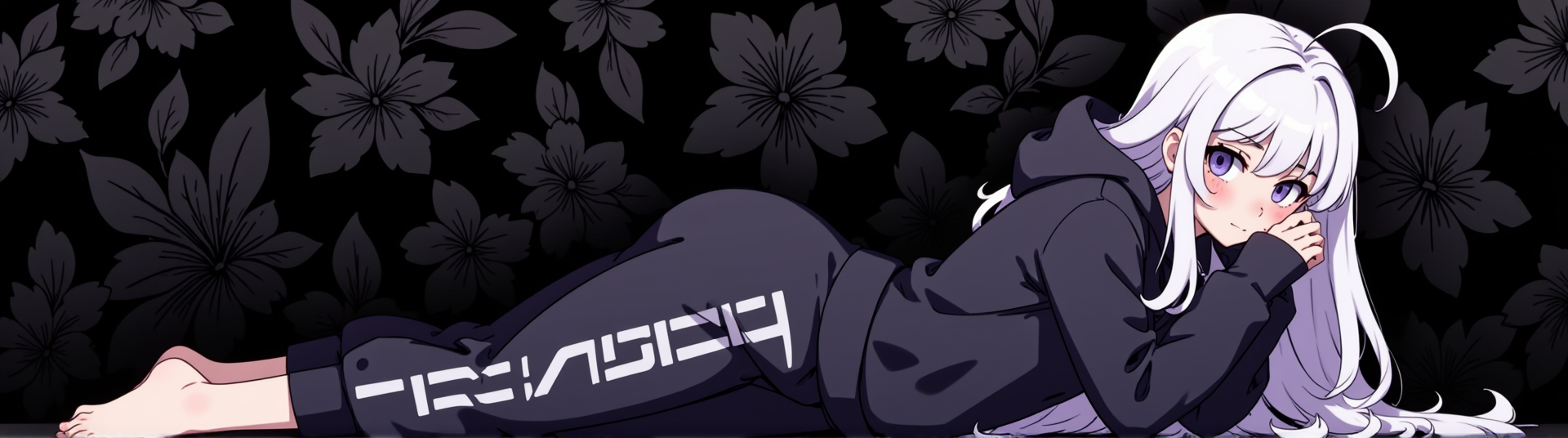
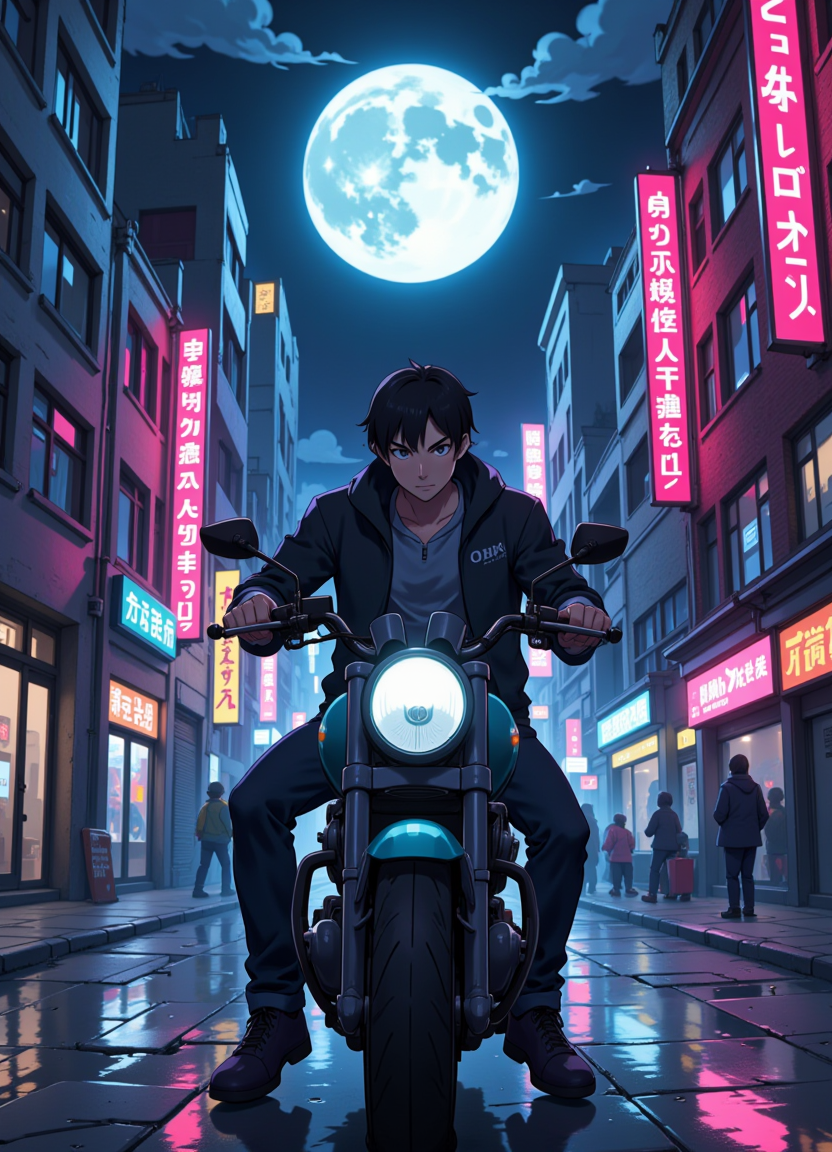
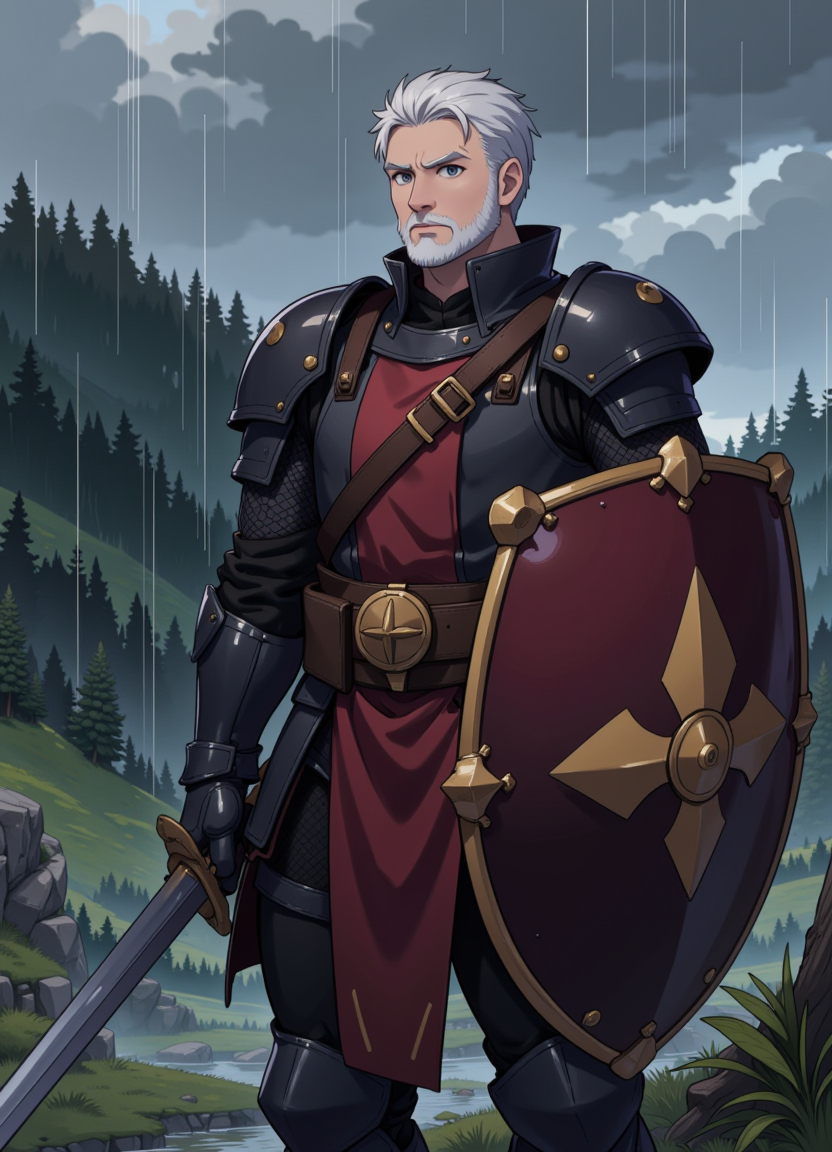
Manga and anime illustration has become the dominant comic art form on the planet. With its distinctive large expressive eyes, crisp linework, and flat cel-shading, this style speaks a universal visual language — from Tokyo to São Paulo to New York. Whether you're telling a school romance or an apocalyptic battle, manga delivers emotion at full intensity.
From post-war Japan to global phenomenon
Modern manga aesthetics trace their roots to Osamu Tezuka's pioneering work in 1950s Japan, where he borrowed the large expressive eyes of Disney animation and fused them with cinematic panel layouts. By the 1980s and 90s, artists like Akira Toriyama and CLAMP had codified the visual vocabulary: sharp tapered lines, speed-effect backgrounds, and characters whose eyes could convey an entire emotional spectrum. Today, anime adaptations carry manga art to audiences of hundreds of millions worldwide.
The power of flat colour and expression
What sets manga-style illustration apart is its deliberate use of flat, uniform color fills that prioritize emotional clarity over realism. Highly saturated palettes make scenes feel vivid and alive, while the clean cel-shaded look keeps the focus on character expression. Speed lines, sweat drops, and exaggerated reactions are a visual shorthand that any reader instantly understands — making manga perfect for stories that need to move fast and feel big.
Create a story in this style →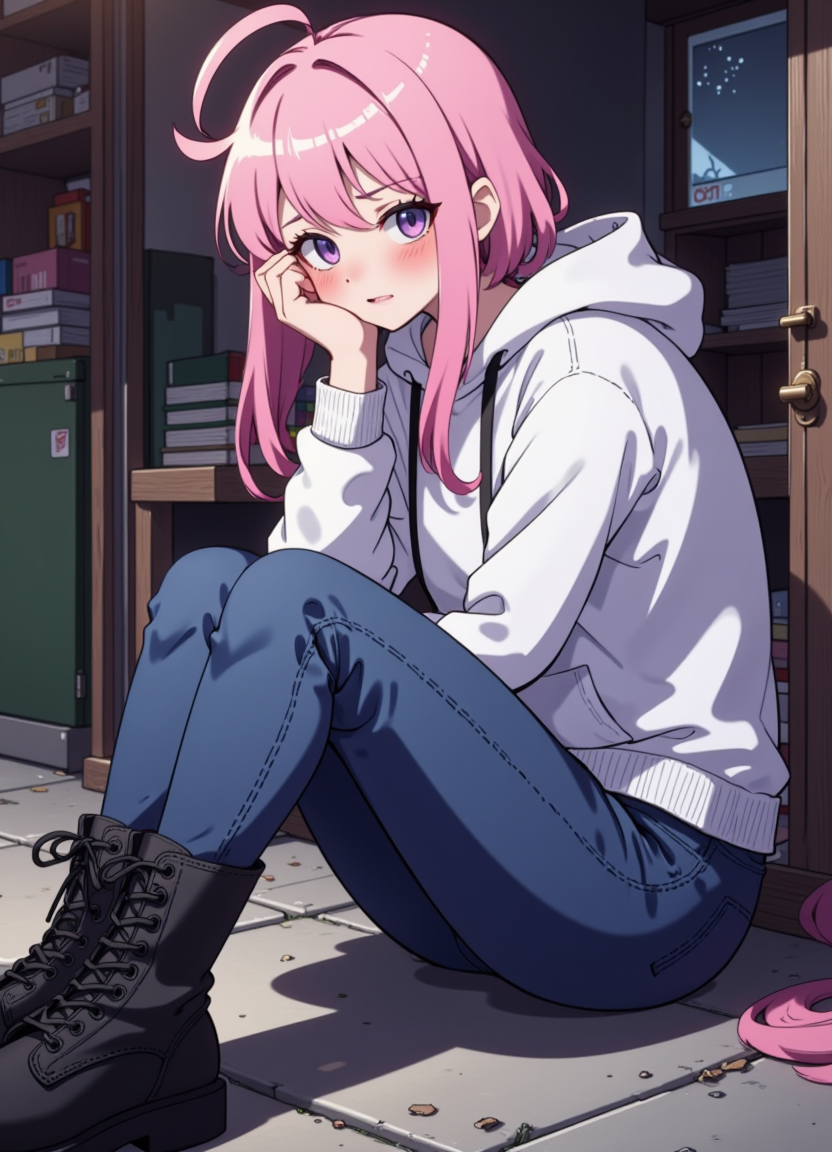
Style Characteristics
Origin
1950s Japan
Best for
Romance, Fantasy, Action
Mood
Expressive, Dynamic
Complexity
Medium
Ready?
Start your story
in Manga / Anime.
YarnSaga generates consistent, publication-ready panels in this style — across every character, every scene, every page. Credit packs from $6.