Genre
Horror Comics
Dread lives in the details. So does everything that comes after.
Horror is the one genre where visual inconsistency actively destroys the effect. Fear works through accumulation — the same dark hallway panel after panel, the same creature lurking just beyond the frame, the same protagonist whose mounting dread you can read in their face. Break that continuity and you break the dread. The reader's brain resets. Whatever you were building for the last eight pages evaporates in an instant.
How horror comics build dread panel by panel
The history of horror comics runs from the EC Comics era of the 1950s — Tales from the Crypt, The Vault of Horror — through the dense pen-and-ink traditions of Edward Gorey and Berni Wrightson, to the moody contemporary work of Mike Mignola's Hellboy universe. What unites these very different aesthetics is a mastery of shadow and negative space. Horror doesn't show you everything. It shows you just enough — a silhouette at the edge of the panel, a hand reaching into frame, a face that's almost normal. The space the reader's imagination fills is always scarier than anything you can draw.
Choosing a style that serves fear
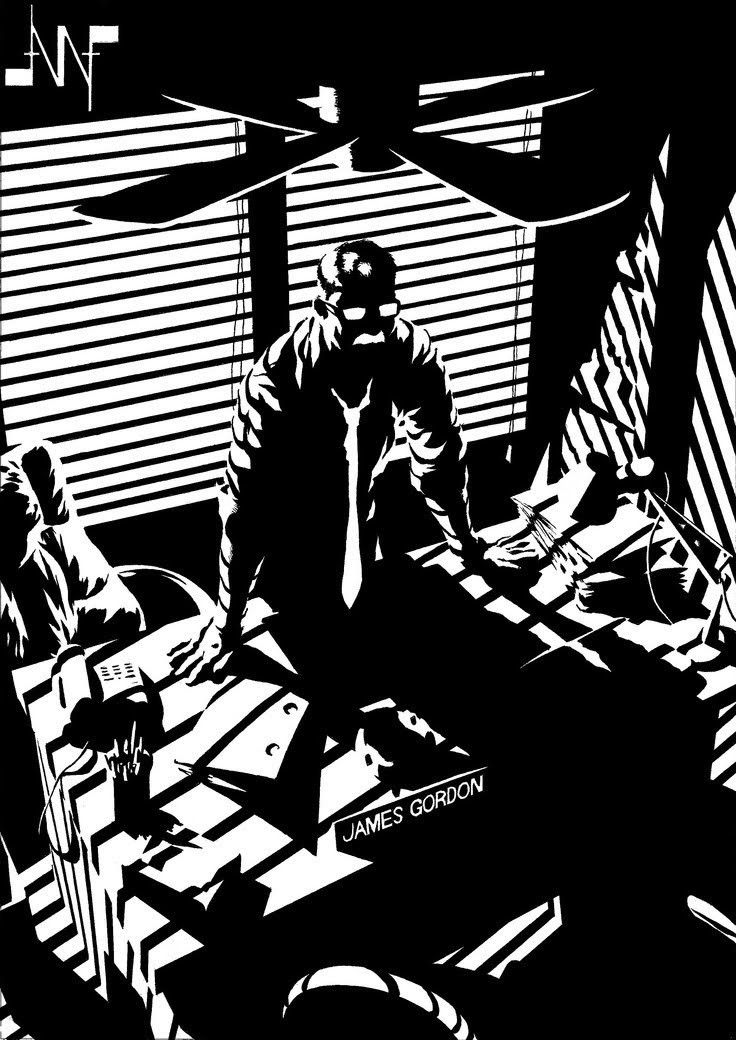
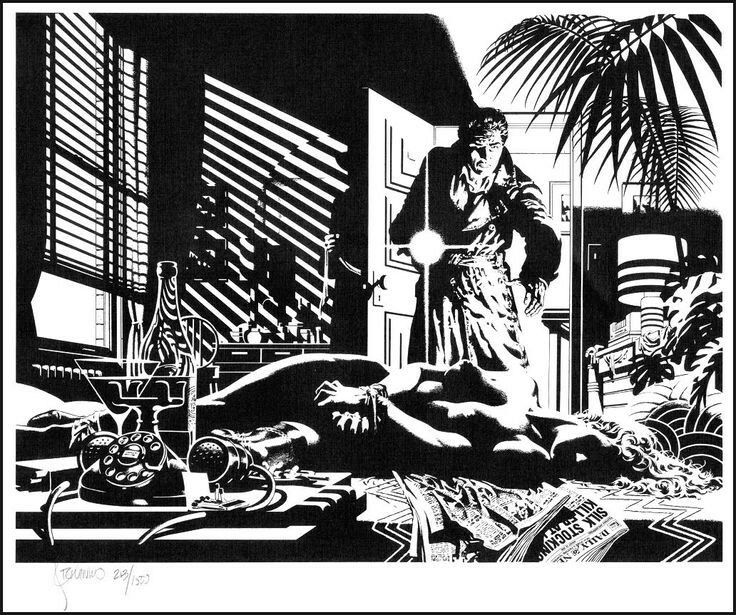
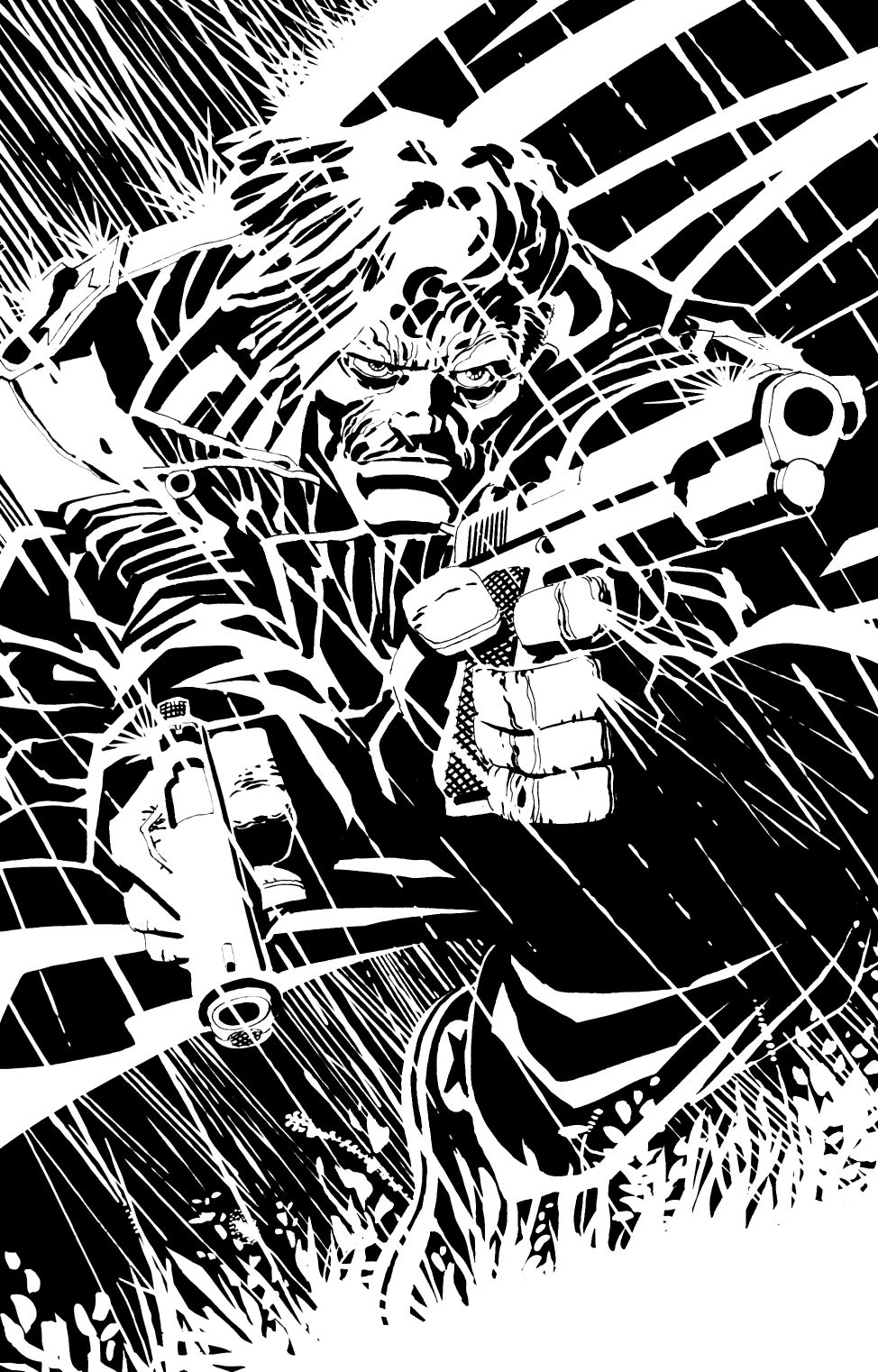
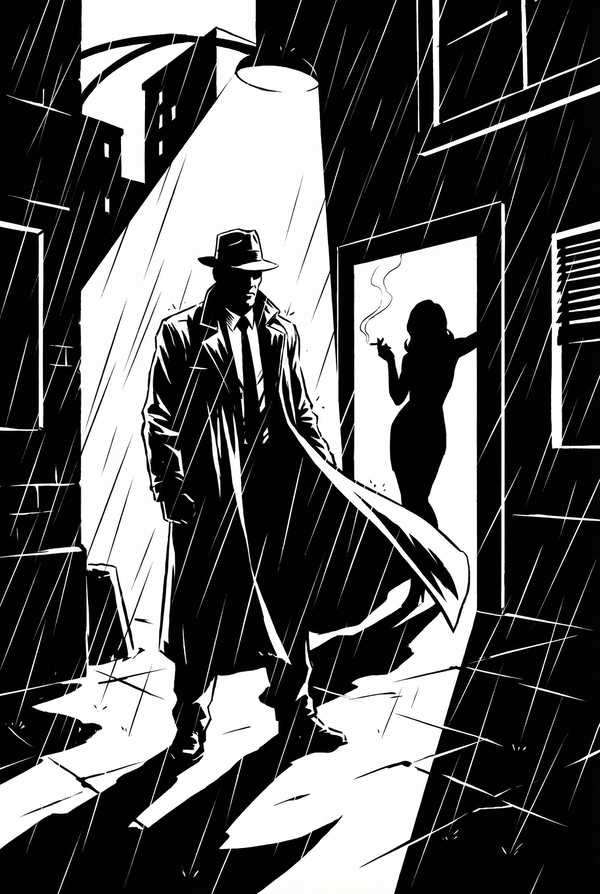
The Horror / Gothic pen-and-ink style was built for this genre — dense crosshatching creates an oppressive texture, heavy blacks eat the edges of panels, and the scratchy line quality generates an inherent unease that smooth digital art simply cannot replicate. For psychological horror with a noir inflection, Sin City's extreme black-and-white contrast delivers something colder and more pitiless. Ink wash and brush styles bring a literary horror aesthetic — loose gestural marks and pooling ink that suggests wrongness without ever quite defining it.
Start your horror story →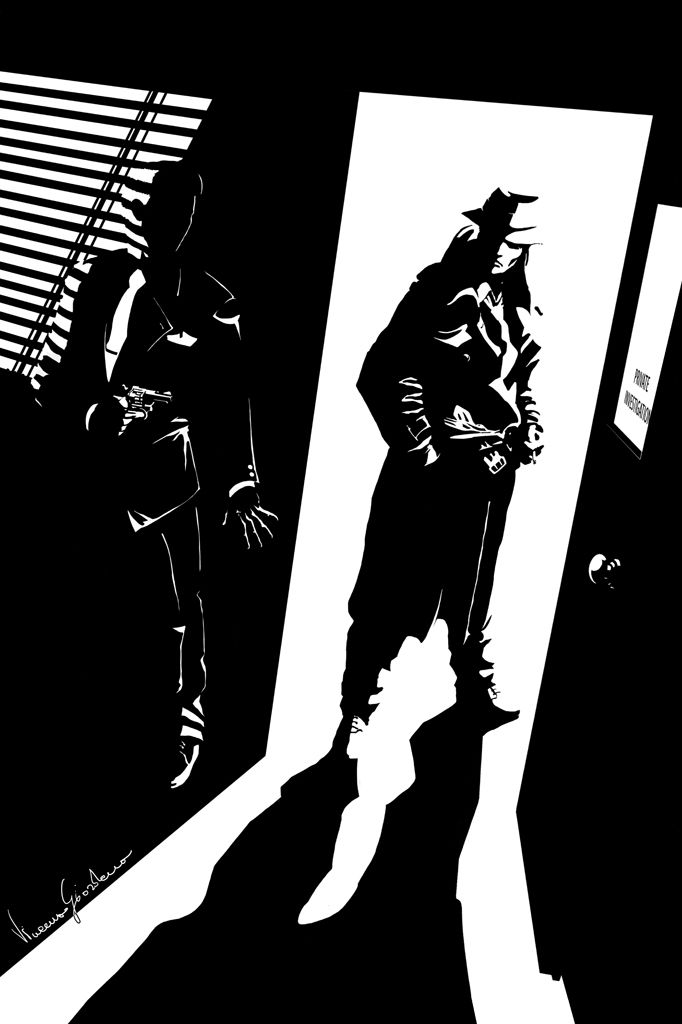
Genre Overview
Best styles
Gothic, Noir, Ink Wash
Tone range
Gothic → Psychological
Key challenge
Atmosphere consistency
Popular for
Short-form horror
Character Consistency
Why the monster must look the same every time it appears
Effective horror requires the reader to recognize and remember the threat. The creature that appears in panel 3 of page 2 must be recognizably the same creature that returns in panel 1 of page 8 — same shape, same wrongness, the same specific detail that makes it disturbing. If it looks different every time, it stops being a character and becomes a random image. The dread doesn't transfer. Equally, your protagonist must stay consistent — horror only works if you care about the person in danger. YarnSaga keeps both the threat and the threatened locked throughout your story.
Ready?
Start your horror story.
YarnSaga generates consistent, publication-ready panels in any style — same characters, every scene, every page. Credit packs from $6.