Art Style
Studio Ghibli Comic Style
Painterly, alive, and endlessly magical
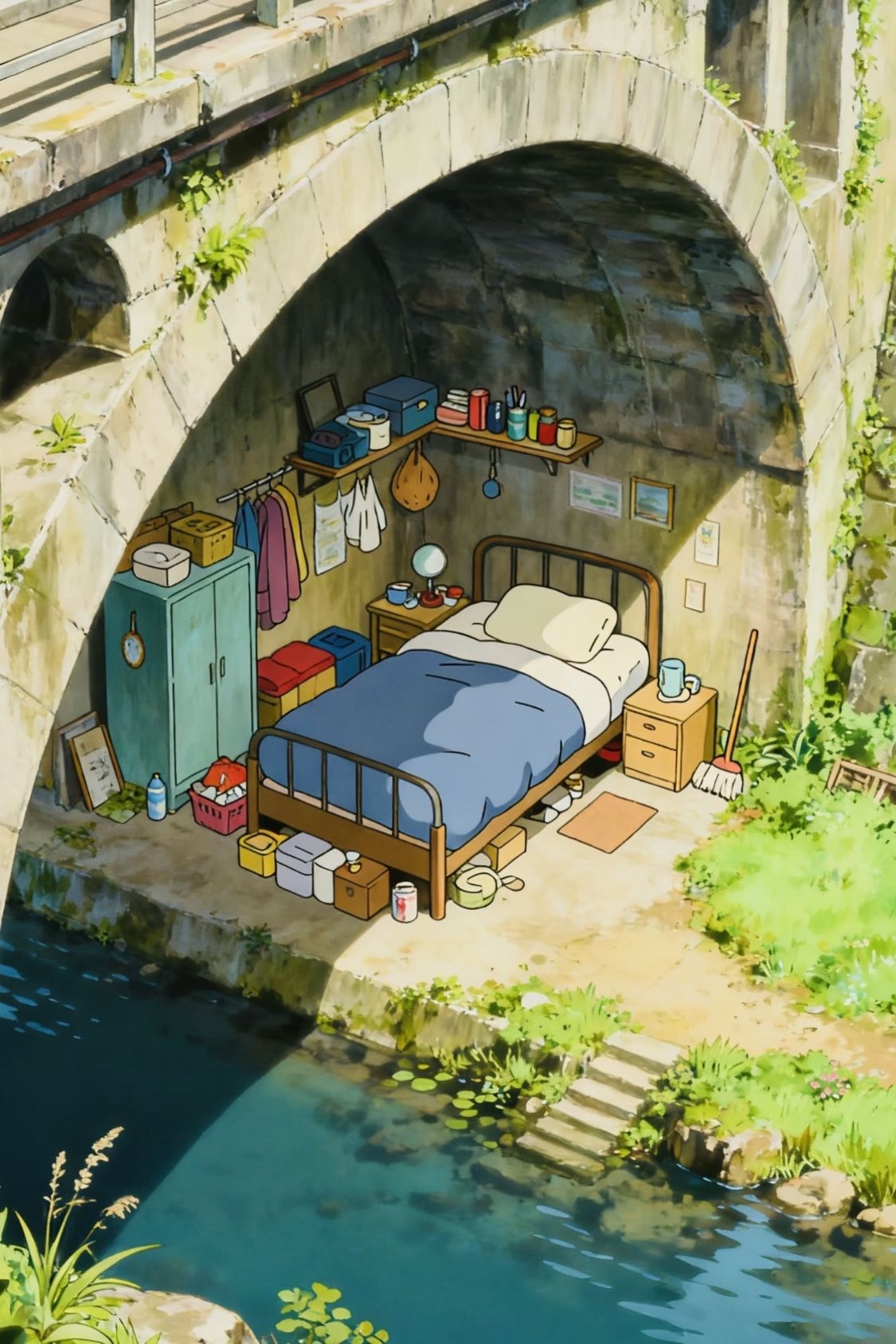
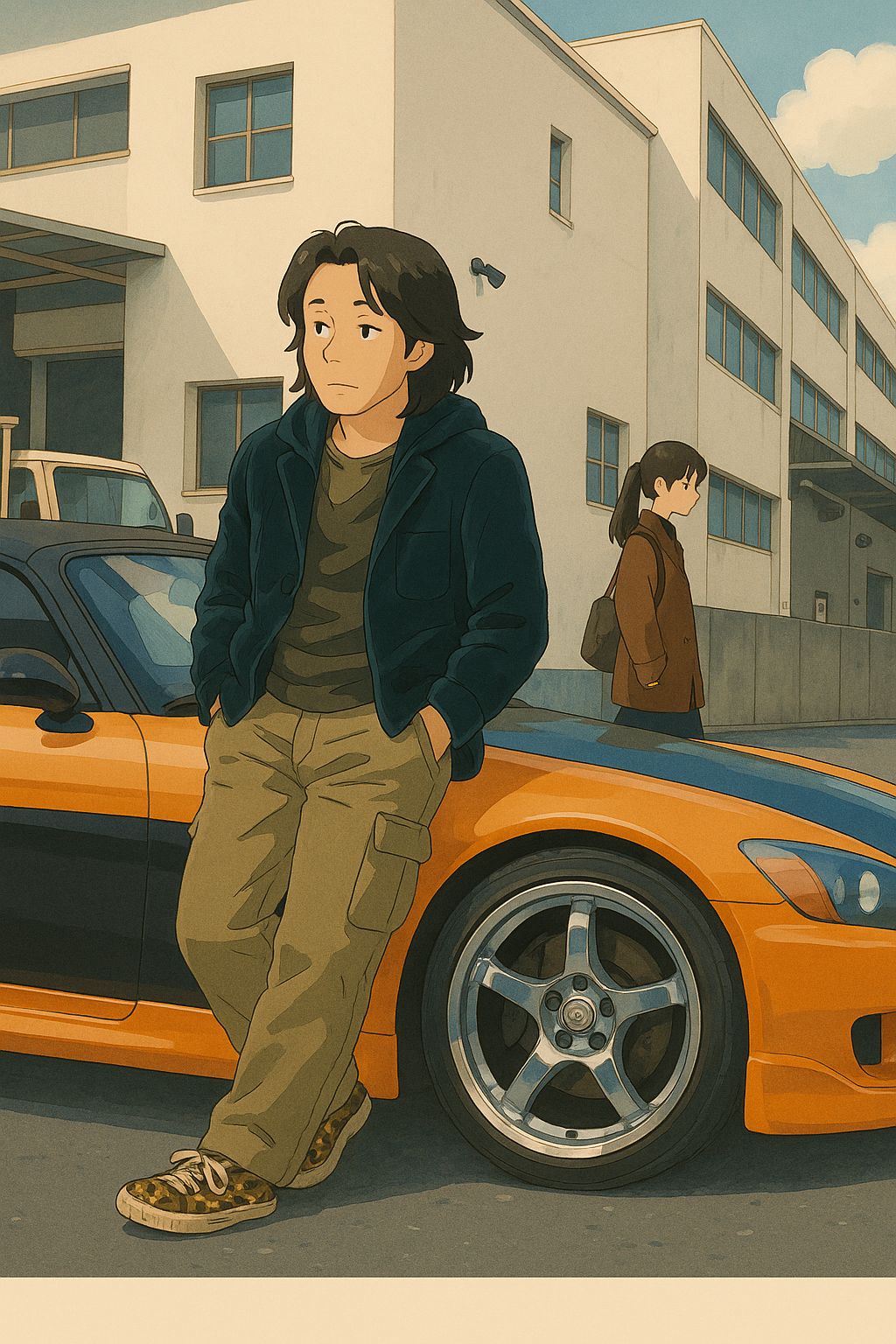
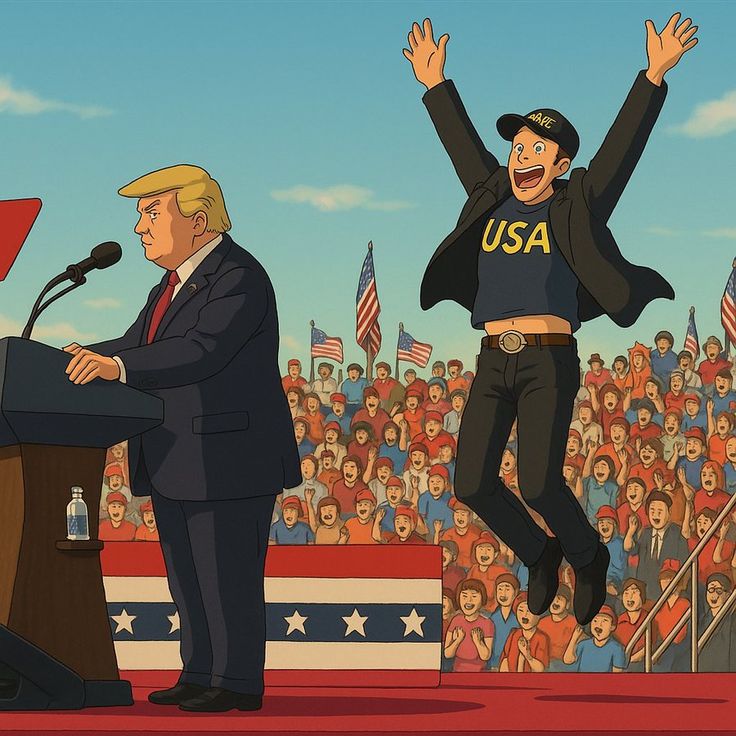
Studio Ghibli's visual style is one of the most beloved in cinema history. Hand-painted backgrounds of extraordinary beauty, characters animated with tender expressiveness, and a commitment to depicting the magic hidden in everyday life — this aesthetic has moved audiences to tears and wonder for four decades.
Miyazaki's philosophy of animism
Hayao Miyazaki founded Studio Ghibli in 1985 with producer Isao Takahata, and from the beginning their visual philosophy was distinct from mainstream animation. Where American studios moved toward computer-generated imagery, Ghibli doubled down on handcraft: painted backgrounds, expressive character animation, and detailed environmental storytelling. Miyazaki's background in traditional Japanese painting and his love of European illustration — particularly John Howe's Tolkien artwork and the Nordic children's books of Elsa Beskow — fed into a style that feels simultaneously Eastern and Western, ancient and contemporary.
Why Ghibli feels alive
The secret of Ghibli's visual power is its animism — the belief, embedded in Japanese Shinto tradition, that all things have spirit. Ghibli environments don't just provide settings; they breathe. Grass bends in wind. Dust floats in light. Water ripples in ways that feel physically true. The painterly backgrounds achieve a depth and beauty that CGI environments rarely match, because they were made by human hands responding to human feelings about nature. When YarnSaga generates in Ghibli style, it captures this sense of a world that is lovingly observed and utterly alive.
Create a story in this style →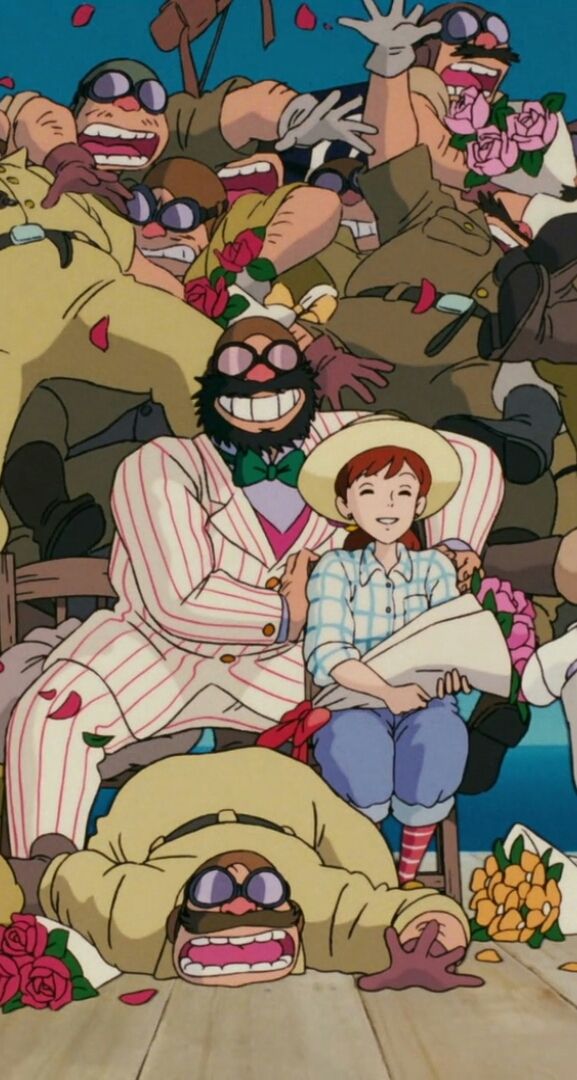
Style Characteristics
Origin
1985, Japan
Best for
Fantasy, Adventure, Coming-of-age
Mood
Magical, Emotional
Complexity
High
Ready?
Start your story
in Studio Ghibli.
YarnSaga generates consistent, publication-ready panels in this style — across every character, every scene, every page. Credit packs from $6.