Art Style
Noir / Sin City Comic Style
Pure black, pure white, pure danger
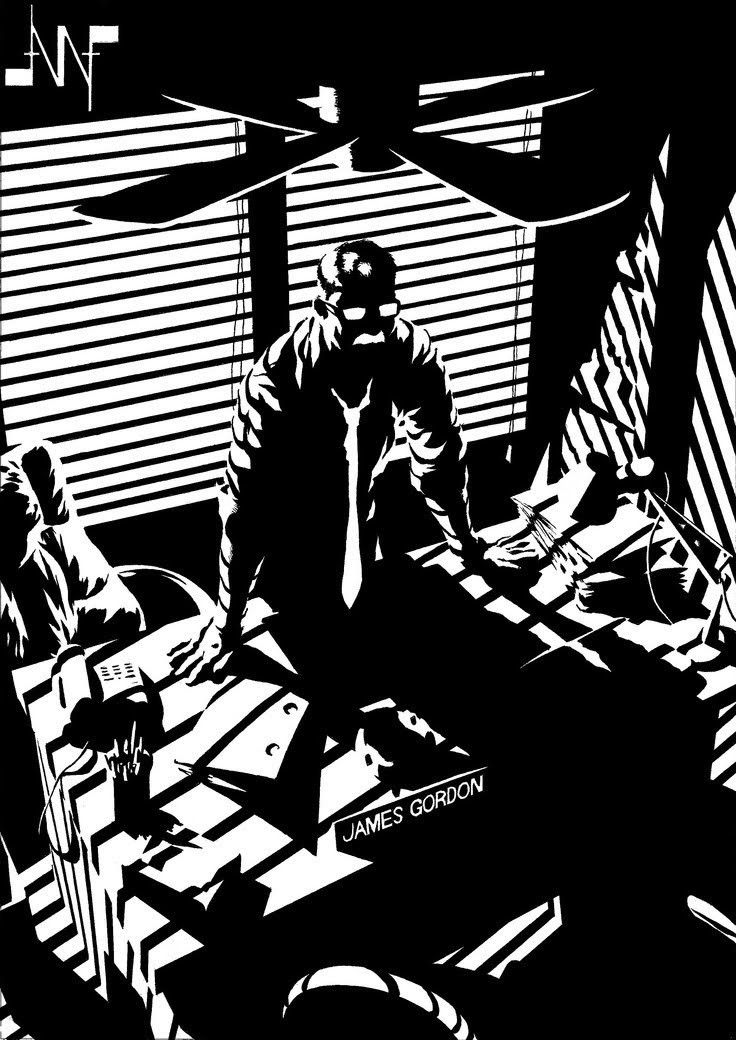
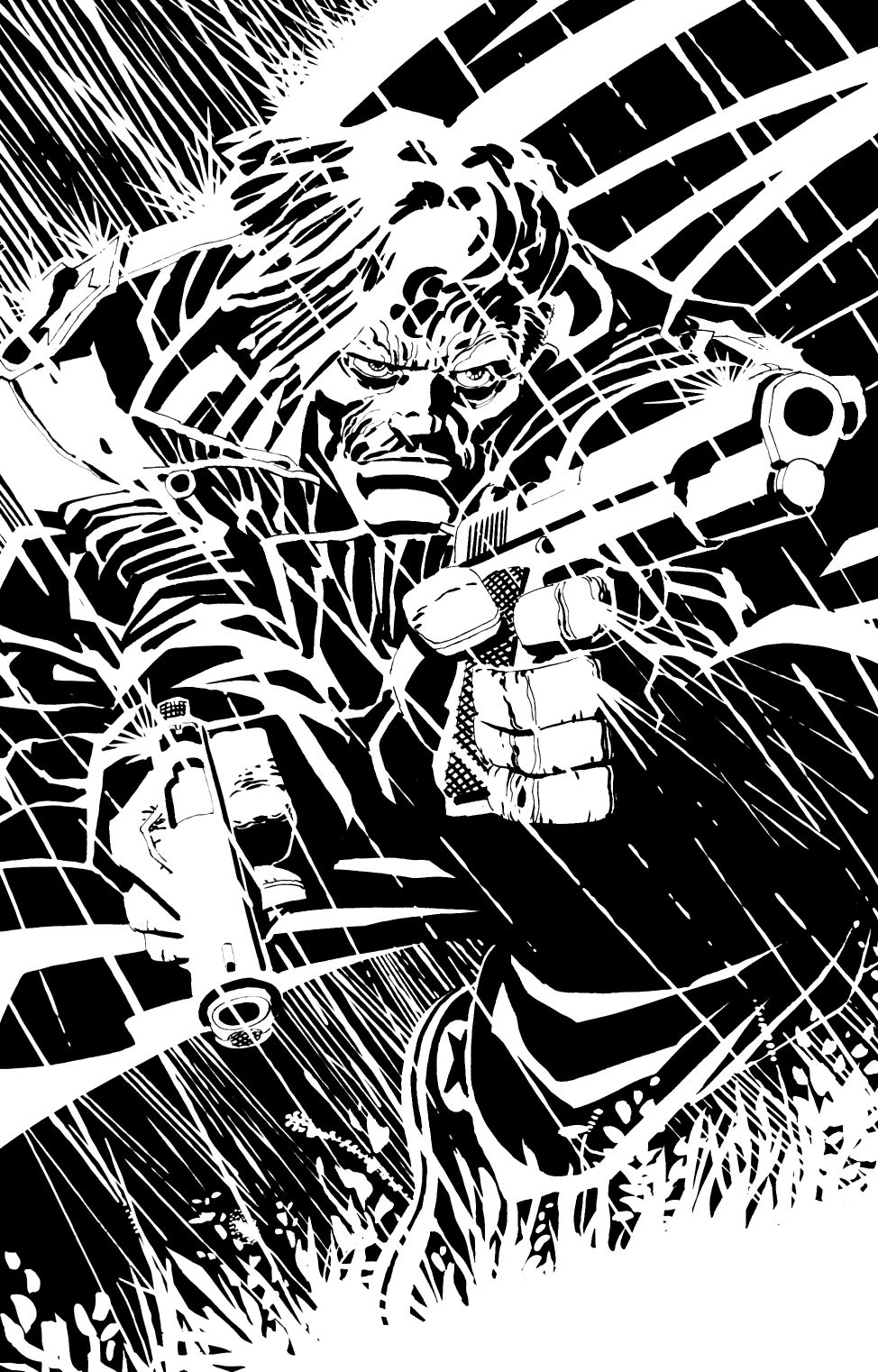
Noir comic art strips storytelling down to its most elemental: black and white, light and shadow, hero and villain. Inspired by Frank Miller's revolutionary Sin City, this style uses extreme contrast as both aesthetic choice and moral statement — in a noir world, nothing is grey.
Frank Miller and the noir revolution
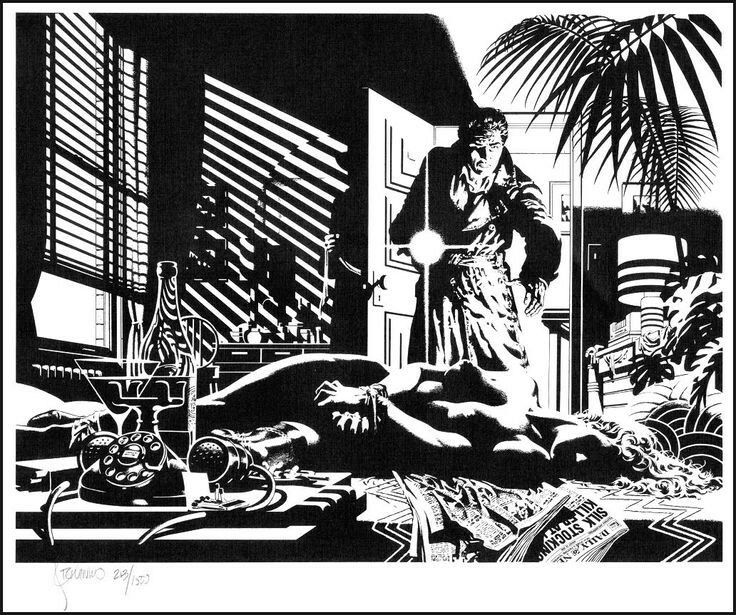
When Frank Miller launched Sin City in Dark Horse Presents in 1991, he threw away the rulebook. No color, no grey tones — just pure black ink on white paper. The approach was radical: Miller drew inspiration from hardboiled crime fiction, film noir cinematography, and the stark woodcut aesthetic of Lynd Ward's wordless novels. The result redefined what comics could look like. Sin City proved that absence of color could be more expressive than a full palette, and that shadow wasn't just a technique but a narrative device.
Shadow as storytelling
In noir style, every shadow is a statement. The hard-edged silhouettes and venetian blind light patterns don't just look cool — they communicate moral ambiguity, danger, and the feeling that the world is divided into hunters and prey. Rain-slicked streets become mirrors of the soul. A face half in shadow tells you everything about a character before they speak. This style demands that every visual element carry narrative weight, making it ideal for crime, thriller, and morally complex stories where atmosphere is everything.
Create a story in this style →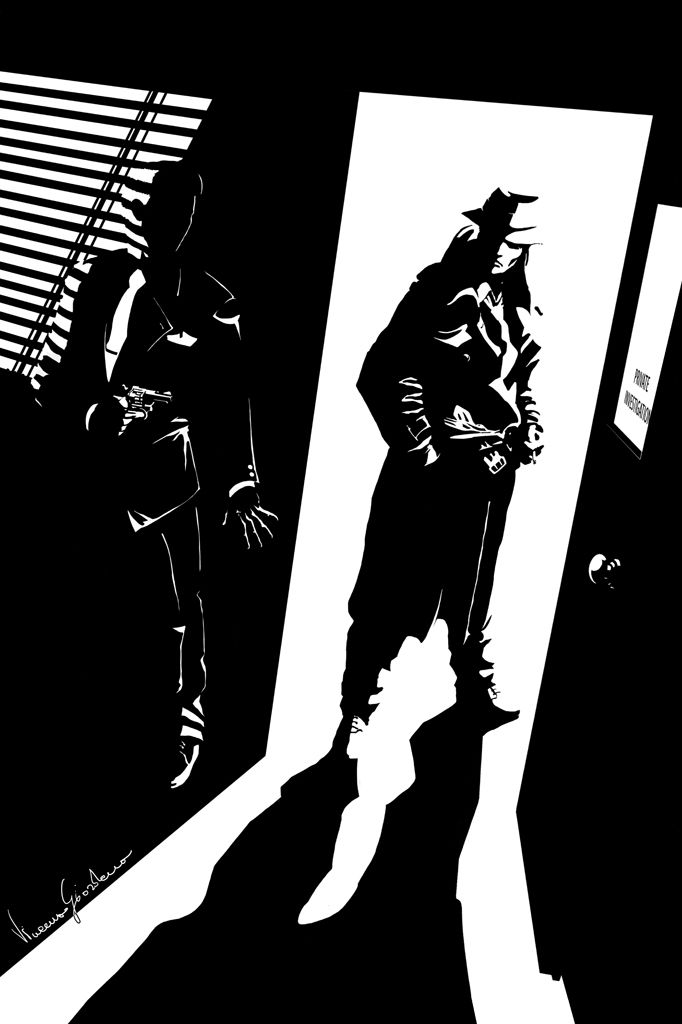
Style Characteristics
Origin
1991, Frank Miller
Best for
Crime, Thriller, Mystery
Mood
Dark, Tense
Complexity
Medium
Ready?
Start your story
in Noir / Sin City.
YarnSaga generates consistent, publication-ready panels in this style — across every character, every scene, every page. Credit packs from $6.