Genre
Historical Comics
The world that actually existed — and the stories it was too busy to write down.
Historical comics carry a specific responsibility — the world they depict actually existed, and the visual choices the artist makes either honor that or betray it. The details that make a reader believe the period is real are also the details that make the story feel worth telling. Get the details wrong and the reader can't stop noticing. Get them right and they stop noticing entirely — which is when the story can actually work.
History as canvas and argument
Asterix made Roman Gaul hilarious without losing its historical texture. Maus used cartoon animals to make the Holocaust impossible to look away from. Persepolis brought the Iranian Revolution to readers who'd never thought about it. These works prove something important: historical comics succeed when they commit fully to their era — not as a museum exhibit but as a lived world with weather, smell, and human stakes. The historical detail isn't the point; it's what makes the point possible.
Style as period authenticity
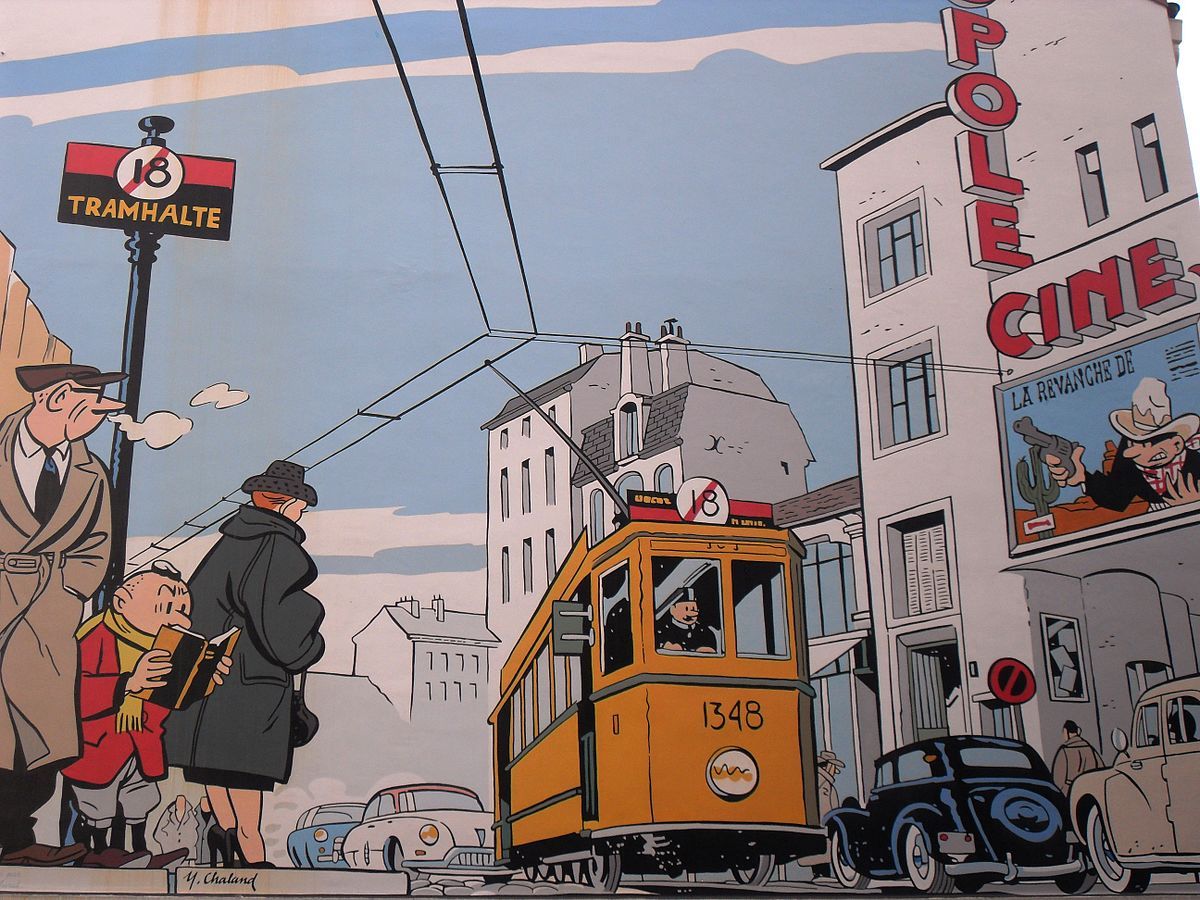
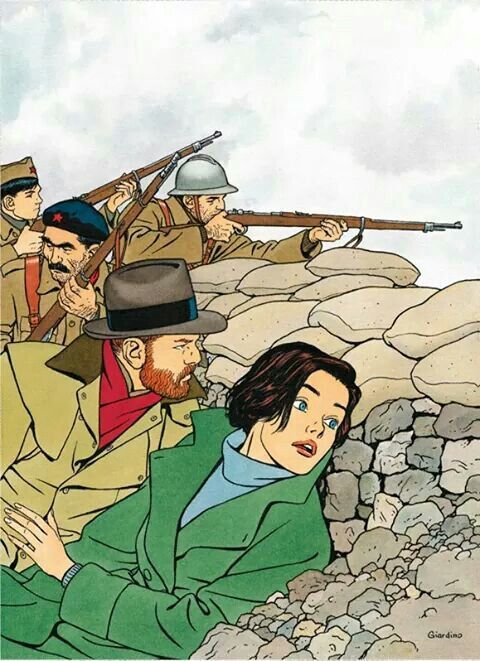
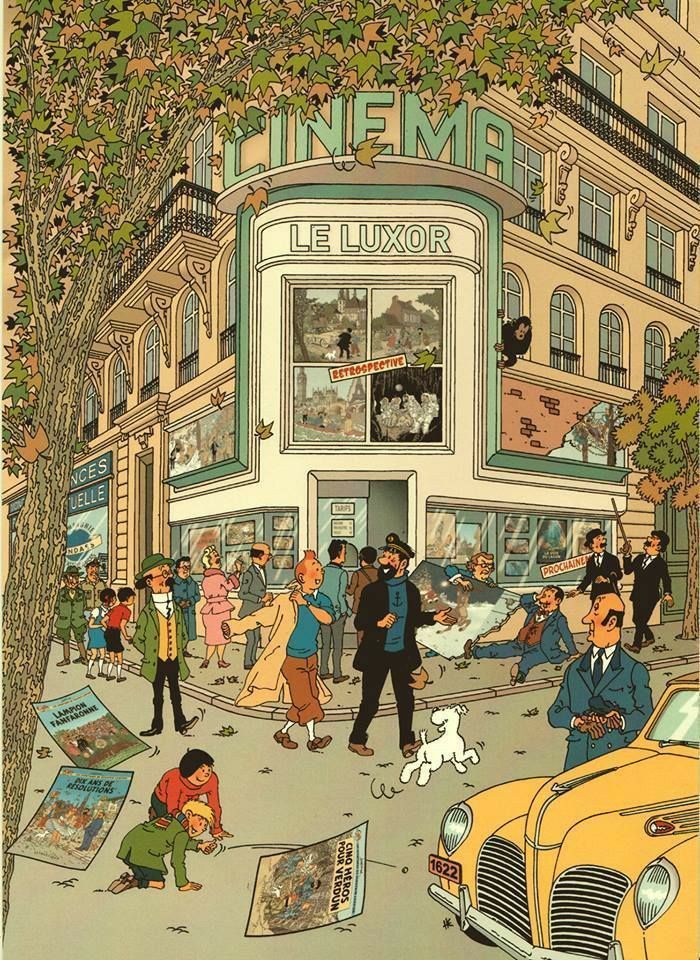
Ligne claire's draftsmanship — precise, clear, detailed without being fussy — is the natural visual language of historical adventure. It renders architecture, costume, and environment with enough specificity to feel real without demanding hyperrealism. Retro comic style works for stories deliberately set in the era when those aesthetics were current — giving a WWII story the visual feel of a 1940s comic adds another layer of period authenticity. Watercolor brings warmth and softness to historical biography and coming-of-age stories set in the past.
Start your historical story →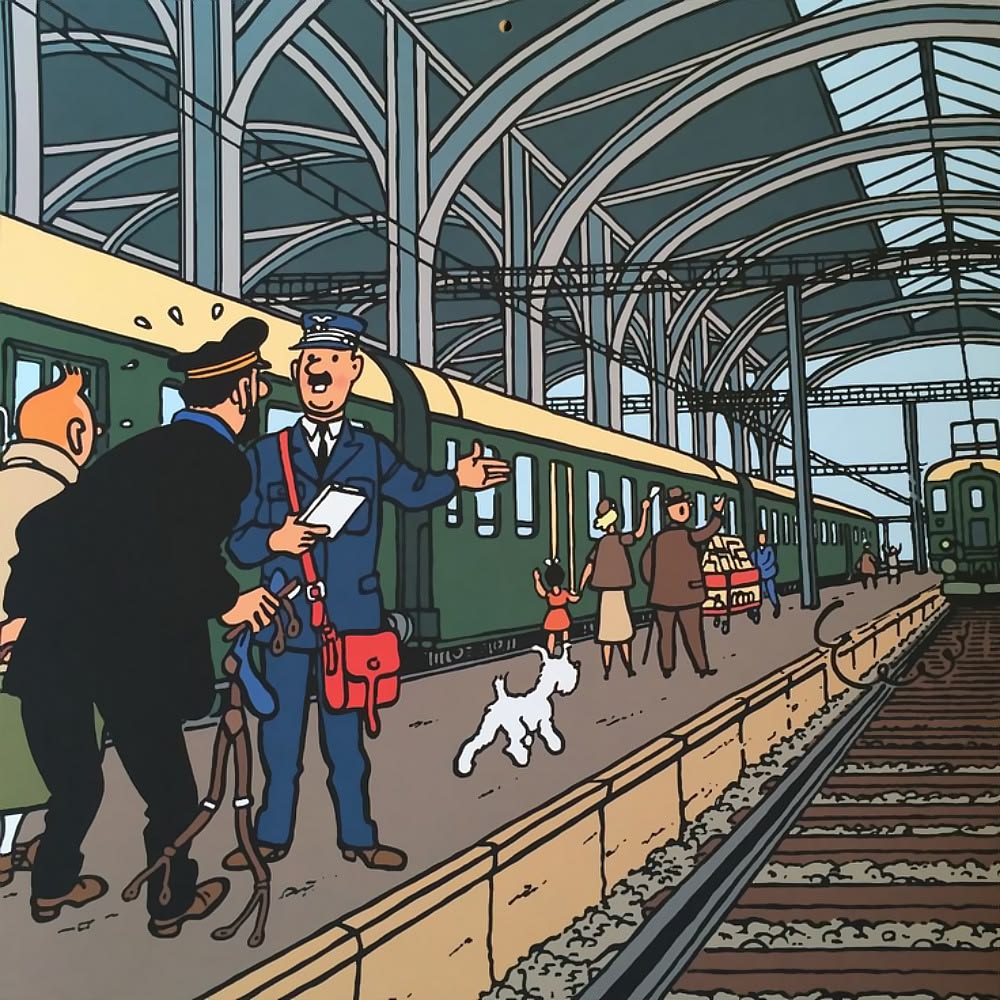
Genre Overview
Best styles
Ligne Claire, Retro, Watercolor
Tone range
Educational → Epic
Key challenge
Period accuracy
Popular for
Biographical stories
Character Consistency
Costume and setting must stay consistent with the period throughout
Historical comics have an additional consistency challenge beyond character faces: everything in the frame needs to belong to the same era. An anachronistic detail — a slightly wrong hairstyle, a piece of clothing from the wrong decade — breaks the world as surely as a character who looks different from panel to panel. YarnSaga keeps your characters anchored to their visual identity and lets you describe historical context in your scene descriptions, so the world stays as consistent as the people in it.
Best Art Styles for Historical
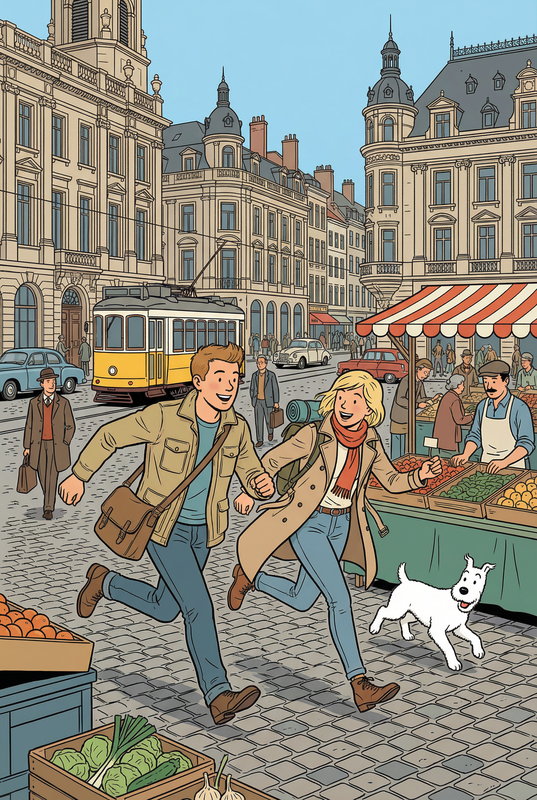
Franco-Belgian / Ligne Claire
Detailed architectural backgrounds and precise linework bring historical settings to life with visual authenticity.
View style →
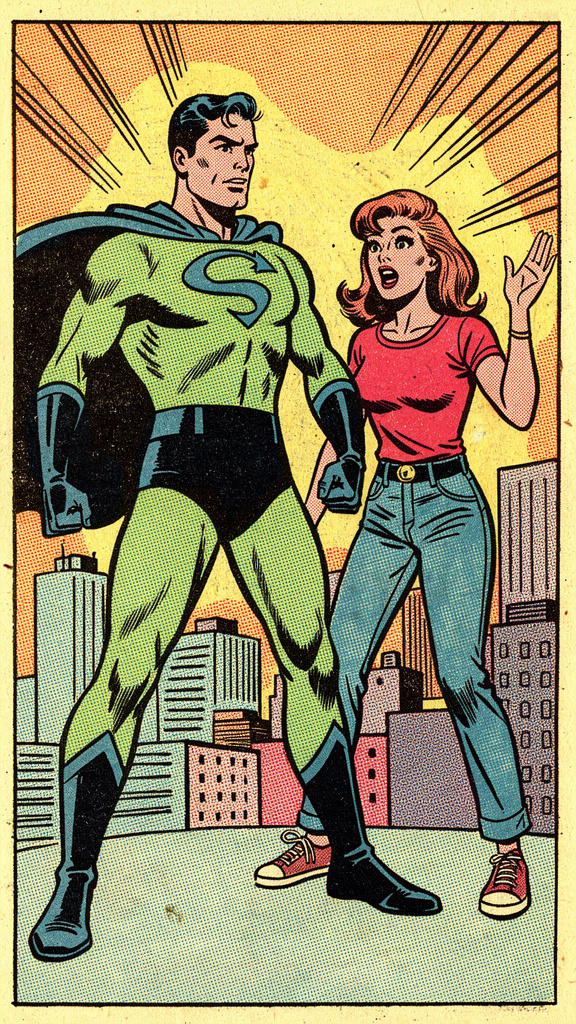
Retro Comic
Period-appropriate Golden Age illustration aesthetic for historical stories that feel genuinely of their era.
View style →
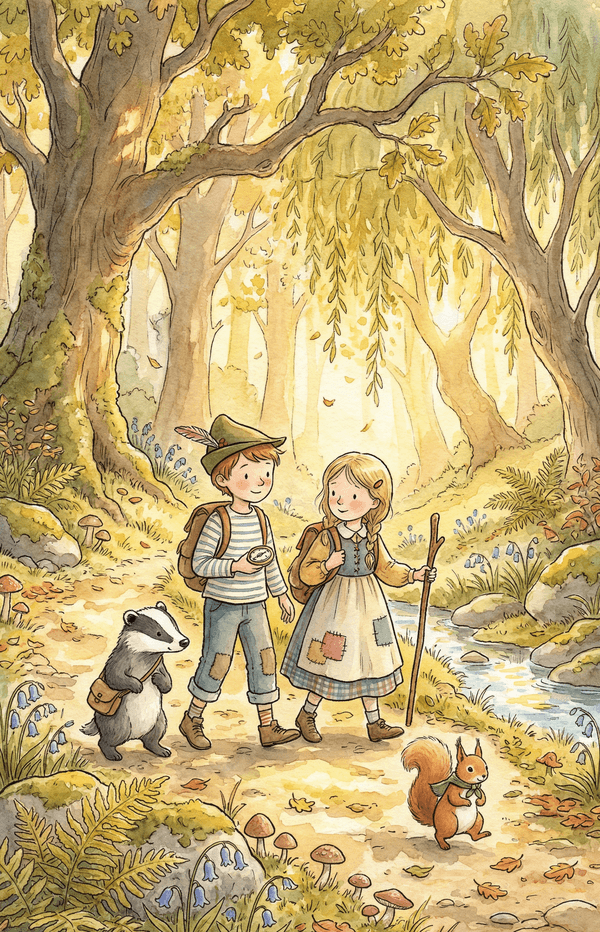
Children's Book
Soft watercolor warmth for gentler historical narratives — biography, folklore, and coming-of-age set in the past.
View style →
Ready?
Start your historical story.
YarnSaga generates consistent, publication-ready panels in any style — same characters, every scene, every page. Credit packs from $6.