Genre
Cyberpunk Comics
High tech. Low life. The gap between them is where the story lives.
Cyberpunk is about the gap — between the gleaming technology and the grimy street, between the powerful and the powerless, between the human and the machine. It's a genre built on contradiction: chrome and concrete, corporate towers and neon-lit alleyways, bodies upgraded past recognition and minds that still want the same things they always wanted.
The visual DNA of a genre
Ghost in the Shell defined the cyberpunk visual vocabulary for an entire generation — rain-soaked megalopolises, hybrid bodies, the philosophical weight of artificial consciousness rendered in meticulous Masamune Shirow detail. Akira's kinetic explosion showed what the genre looked like at maximum intensity. These works established that cyberpunk isn't just aesthetic — it's a political argument about where technology is taking us, rendered in the visual language of noir and science fiction simultaneously.
Choosing your neon register
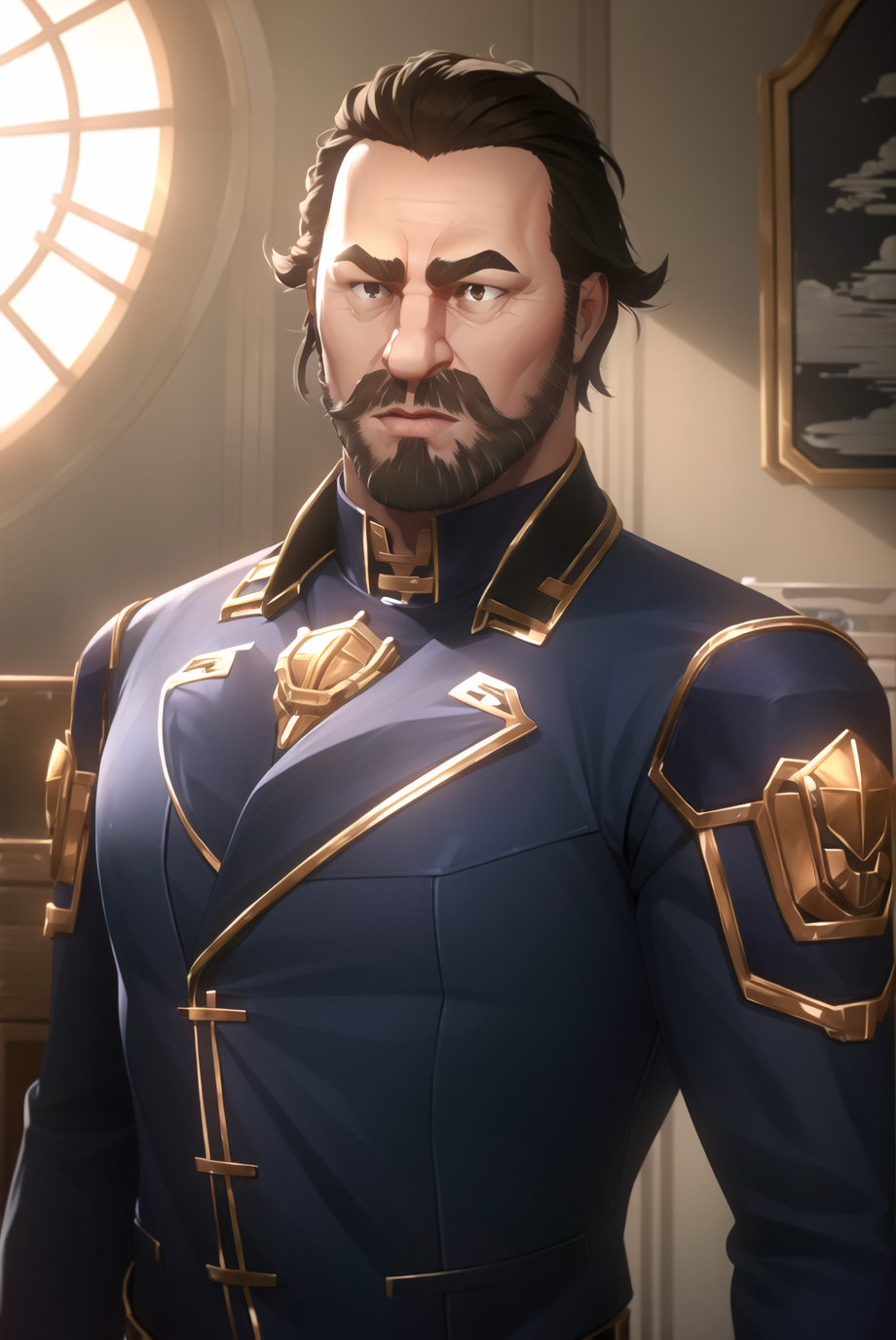
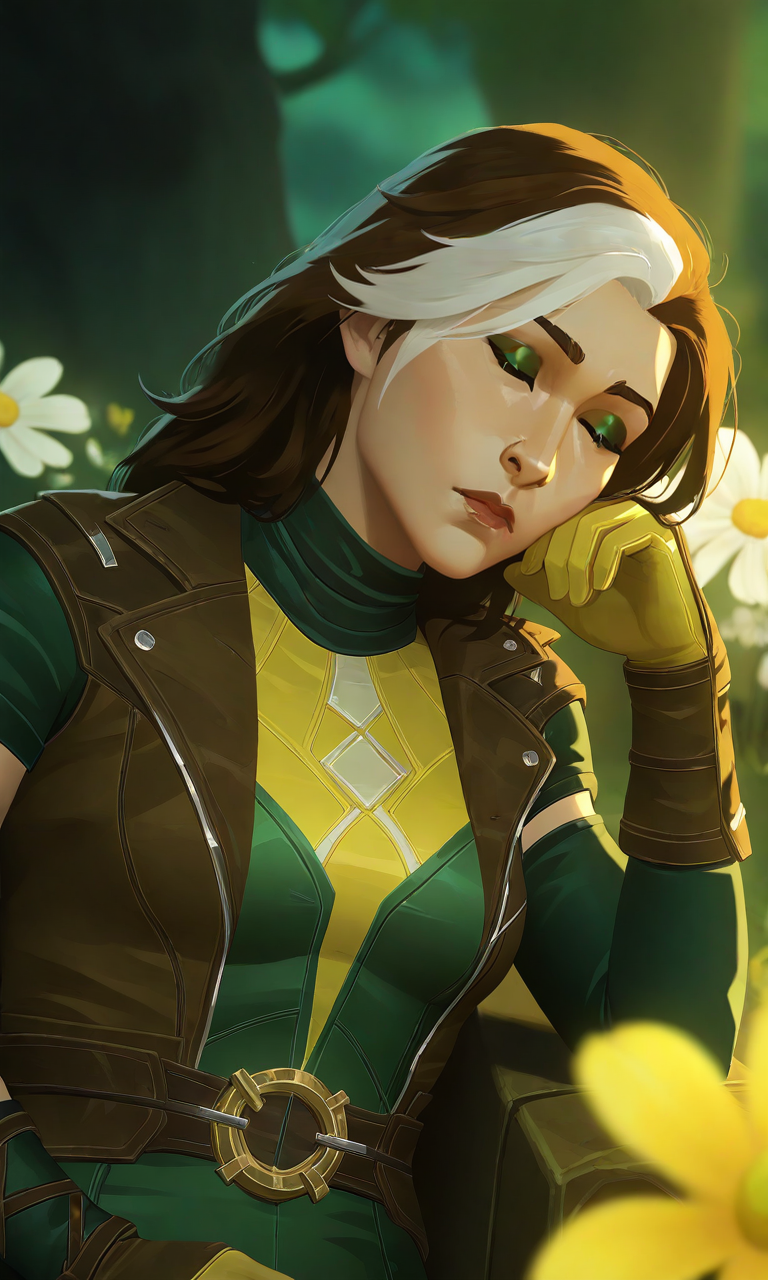
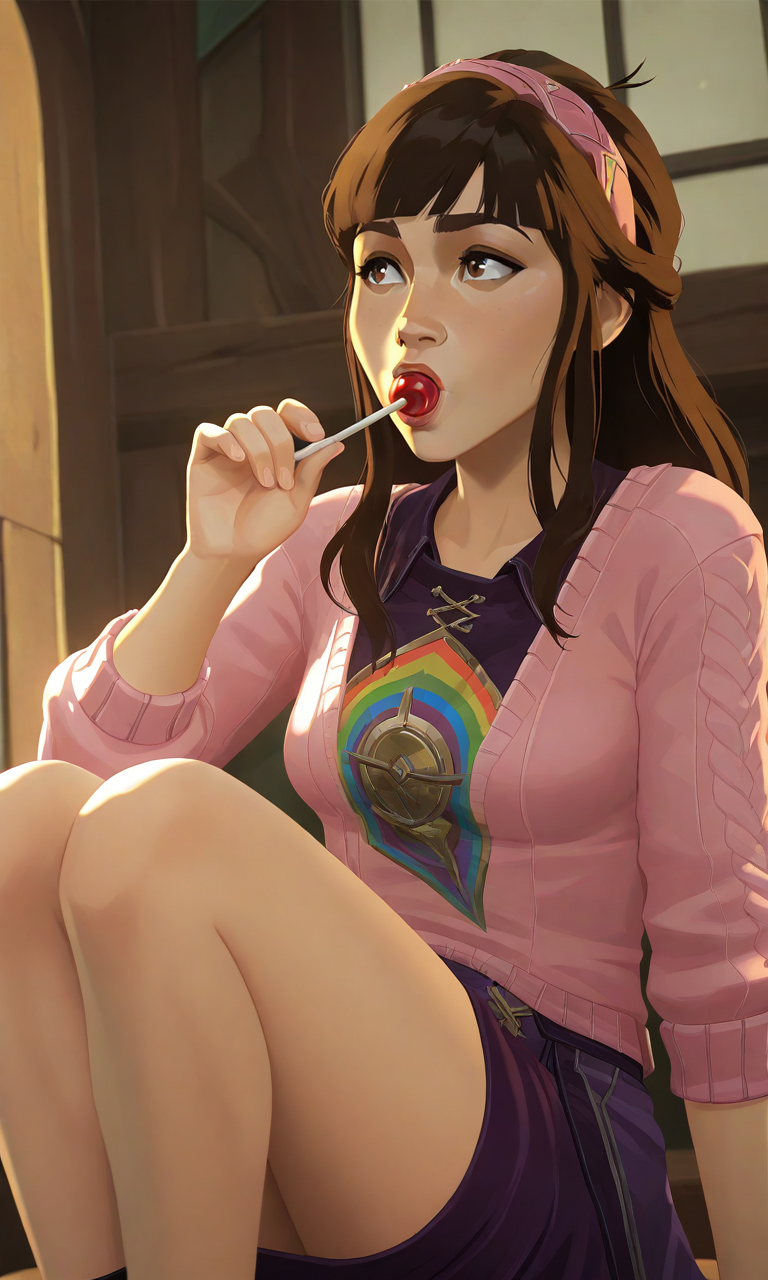
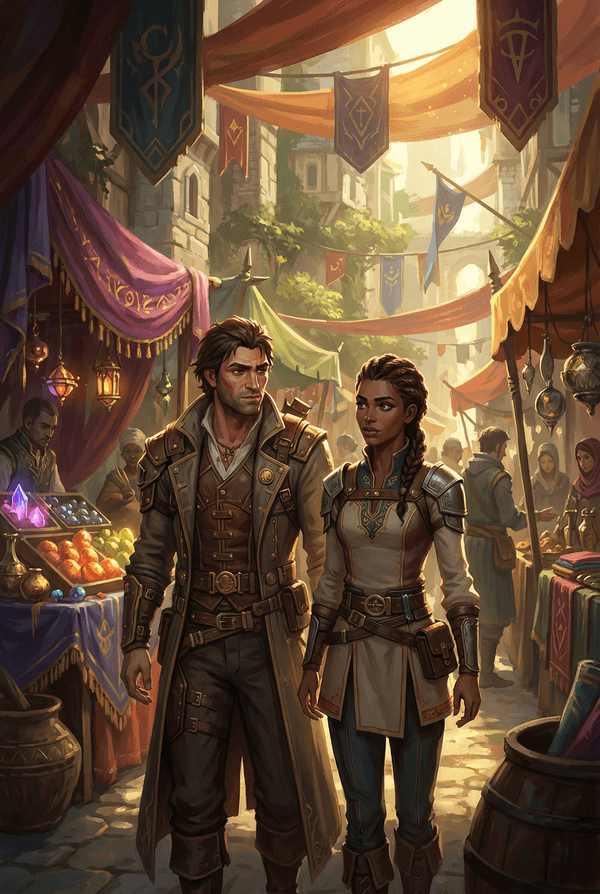
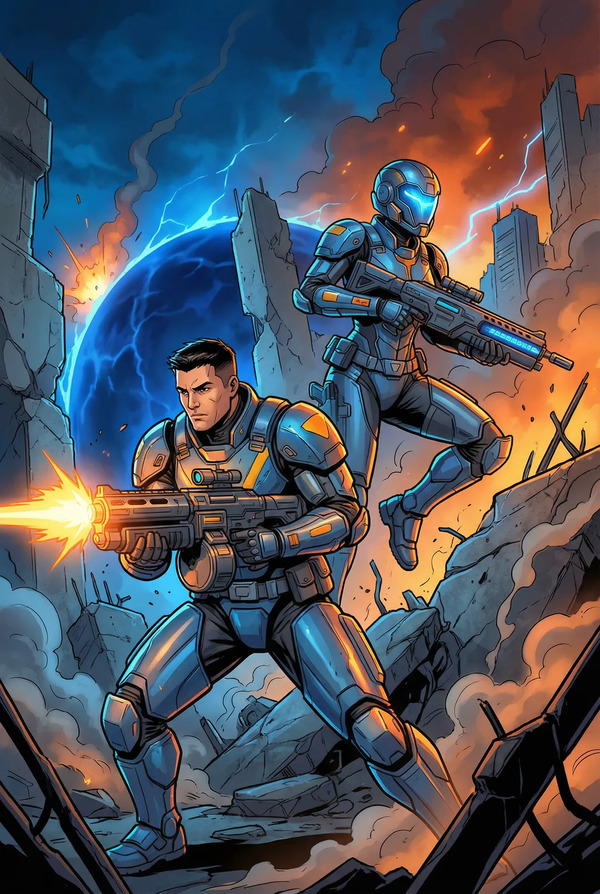
Spider-Verse's halftone overlays, neon color, and kinetic energy is the contemporary cyberpunk aesthetic — the visual language of the street level, the hacker's point of view, the city as sensory overload. Arcane's painterly grit suits darker, more grounded cyberpunk — where the technology serves a story about inequality and human cost rather than spectacle. Game concept art handles the military and corporate side of cyberpunk with authority — the armored enforcers, the megacorp boardrooms, the hardware that costs more than lives.
Start your cyberpunk story →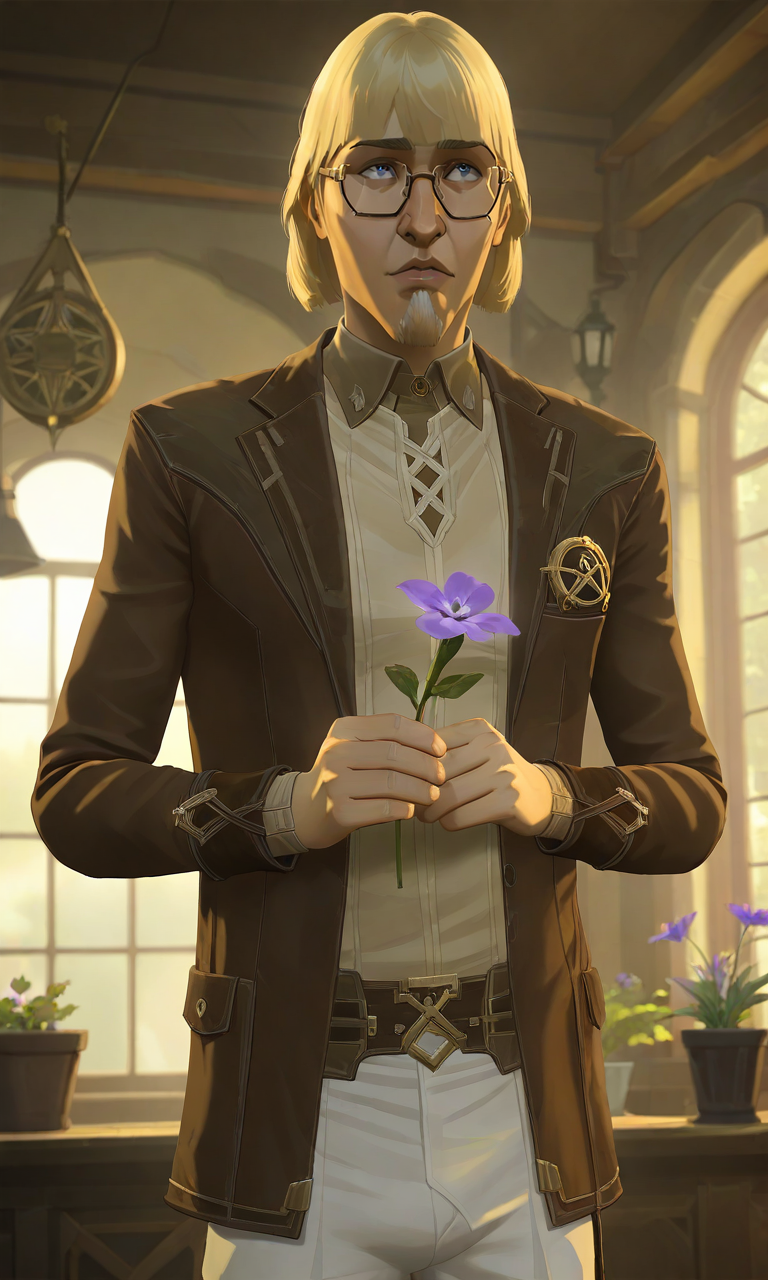
Genre Overview
Best styles
Spider-Verse, Arcane, Concept Art
Tone range
Street level → Corporate
Key challenge
Tech consistency
Popular for
Near-future noir
Character Consistency
In a world of modified bodies, the consistent face is what makes someone human
Cyberpunk often explores identity in a world where bodies are modifiable and selves are hackable. Against that backdrop, the consistent human face of your protagonist becomes philosophically important — it's the anchor of their humanity, the thing that stays the same when everything else can be upgraded or replaced. When AI tools drift the protagonist's appearance, that anchor is lost and the exploration of identity becomes meaningless. YarnSaga keeps your character's human core consistent through the chrome and the neon.
Best Art Styles for Cyberpunk
Ready?
Start your cyberpunk story.
YarnSaga generates consistent, publication-ready panels in any style — same characters, every scene, every page. Credit packs from $6.