Genre
Drama Comics
No superpowers. No monsters. Just people making choices they can't take back.
Drama is comics at their most literary — the genre that asks the most of both the artist and the reader. A raised eyebrow in panel three that we don't fully understand until page forty. A conversation that seems ordinary until we realize it's a goodbye. Drama requires readers to pay close attention, and that attention only pays off if every face they've been watching stays consistent enough to be worth watching.
The graphic novel as serious literature
The graphic novel renaissance of the 1980s and 90s — Maus, Persepolis, Fun Home — proved that comics could carry the weight of serious human experience. These works found something unique in the medium: the juxtaposition of image and text could access emotional truths that prose and film sometimes miss. The image shows one thing while the narration says another, and the reader lives in that gap — in the tension between what we see and what we're told.
Style as emotional register
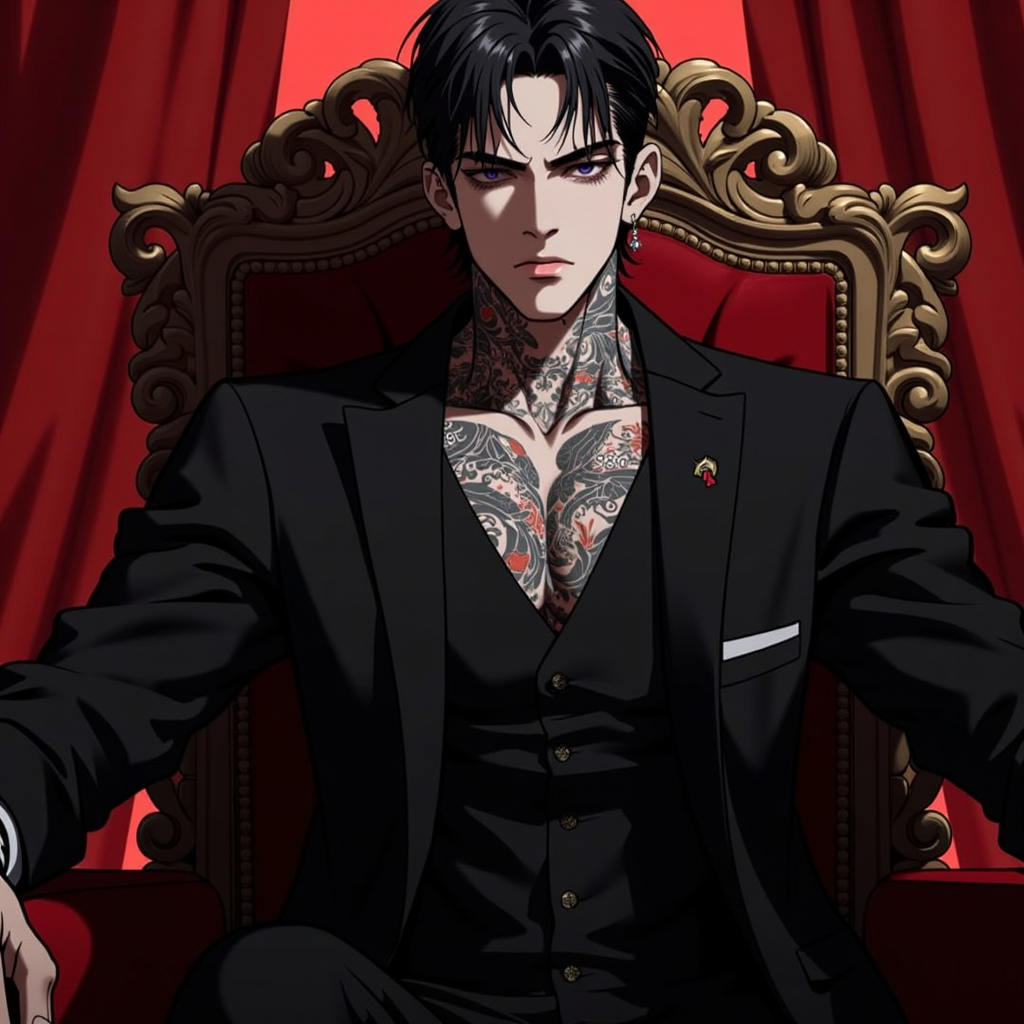
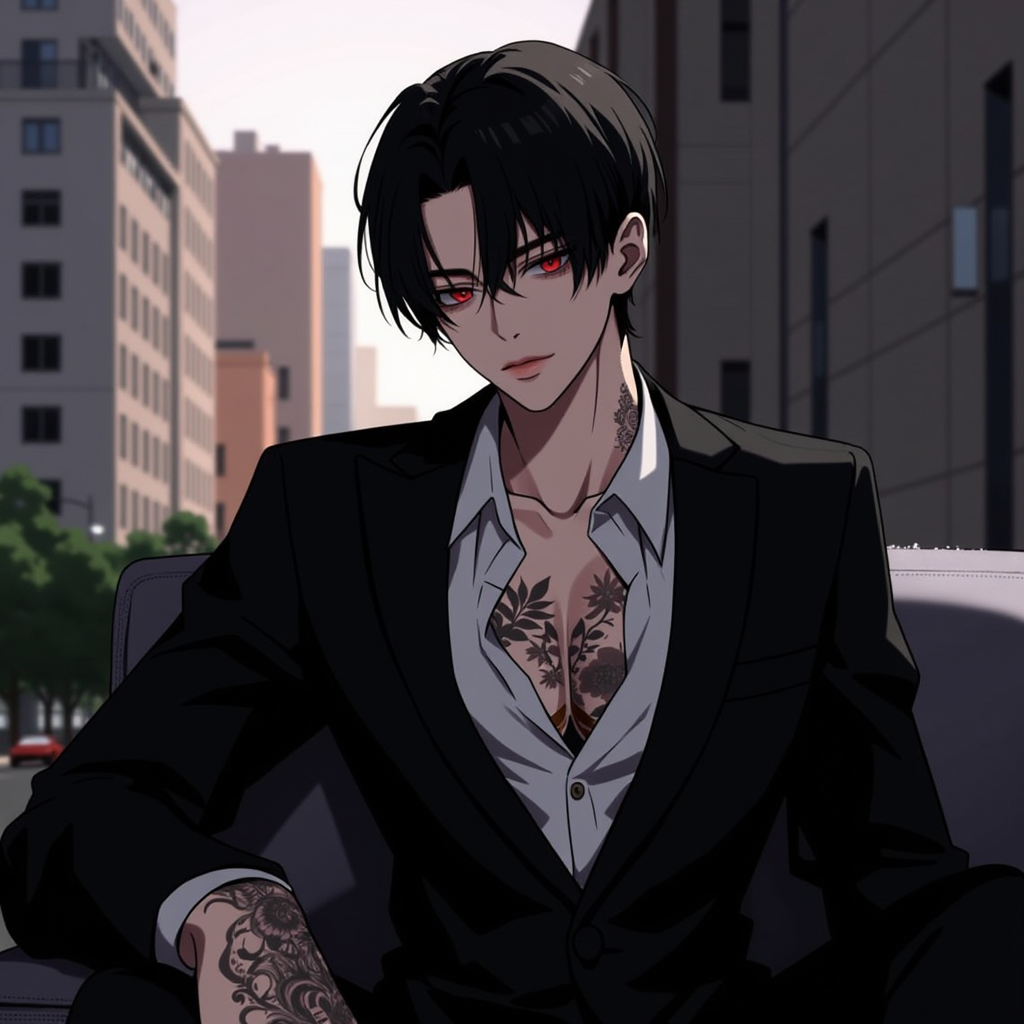
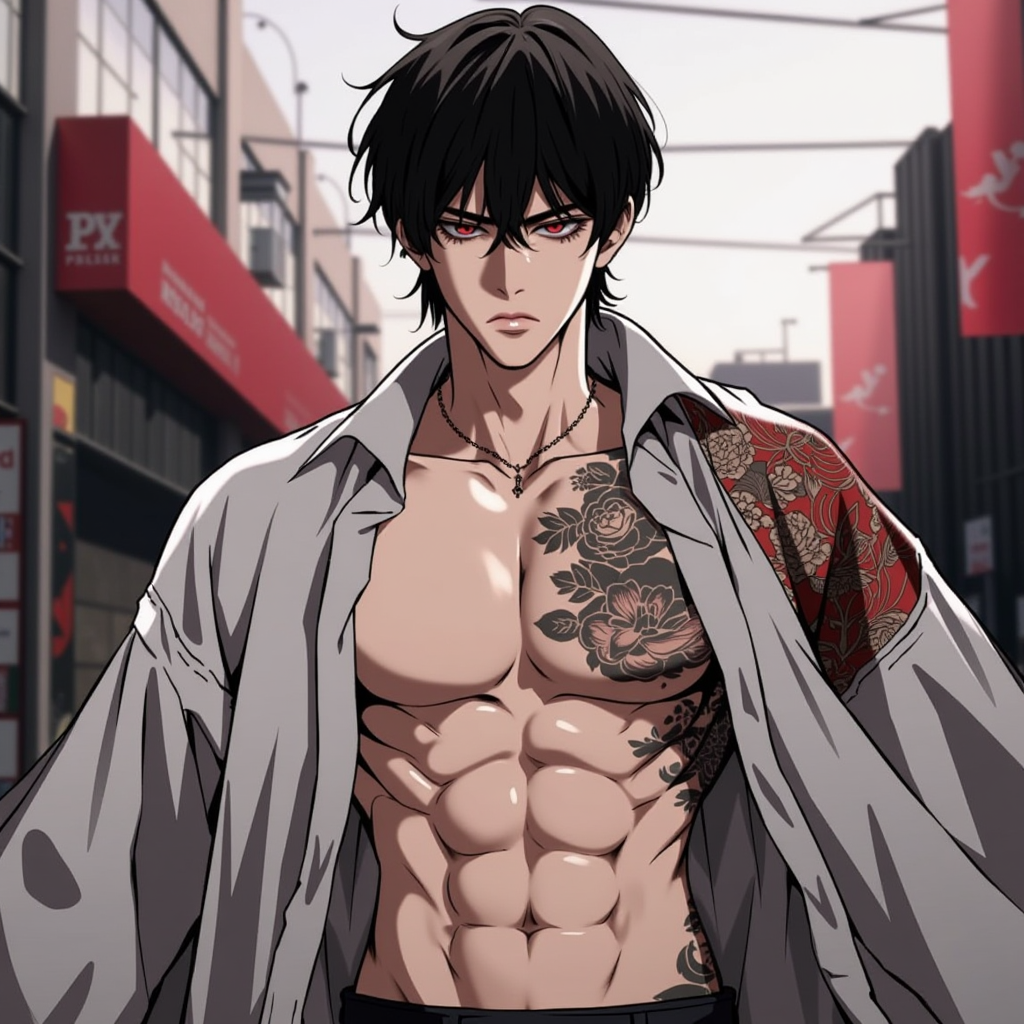
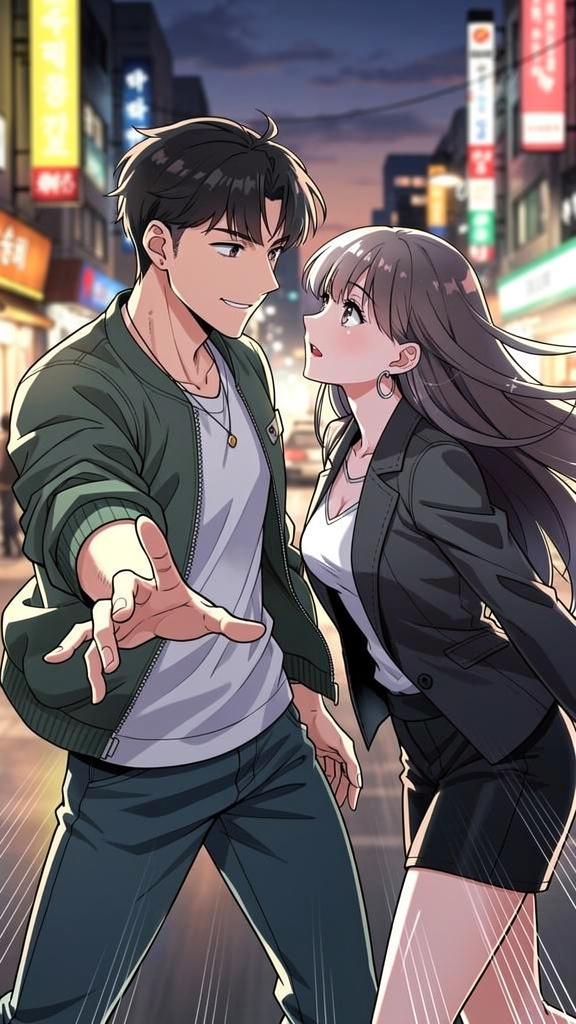
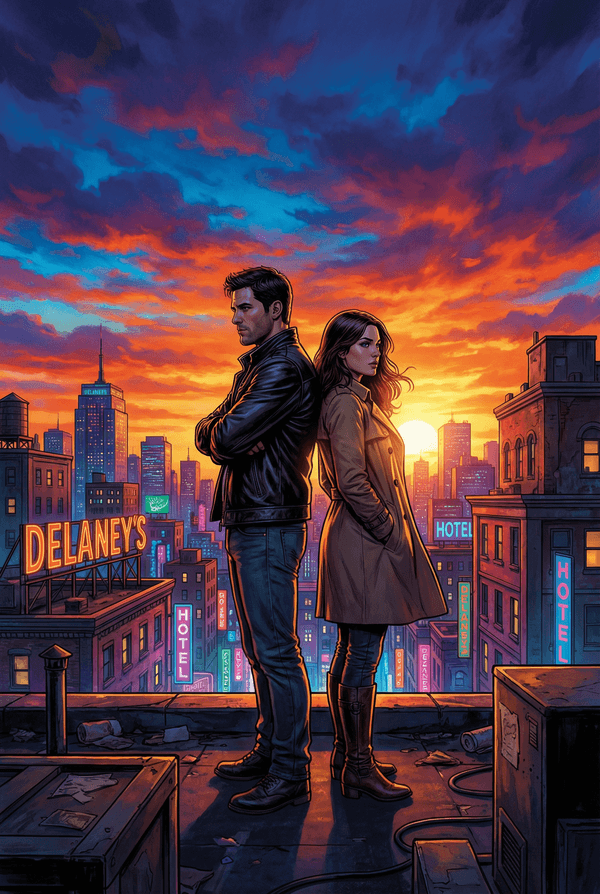
Webtoon and manhwa style — with its soft gradient shading and meticulous attention to subtle facial expression — is built for drama that operates at the level of micro-expression. A slight tension around the eyes. A mouth that's almost smiling. Ink wash brings a literary, introspective quality to more melancholic stories. Modern cinematic style gives urban dramas the visual weight of a prestige film — the feeling that these ordinary lives have epic stakes.
Start your drama story →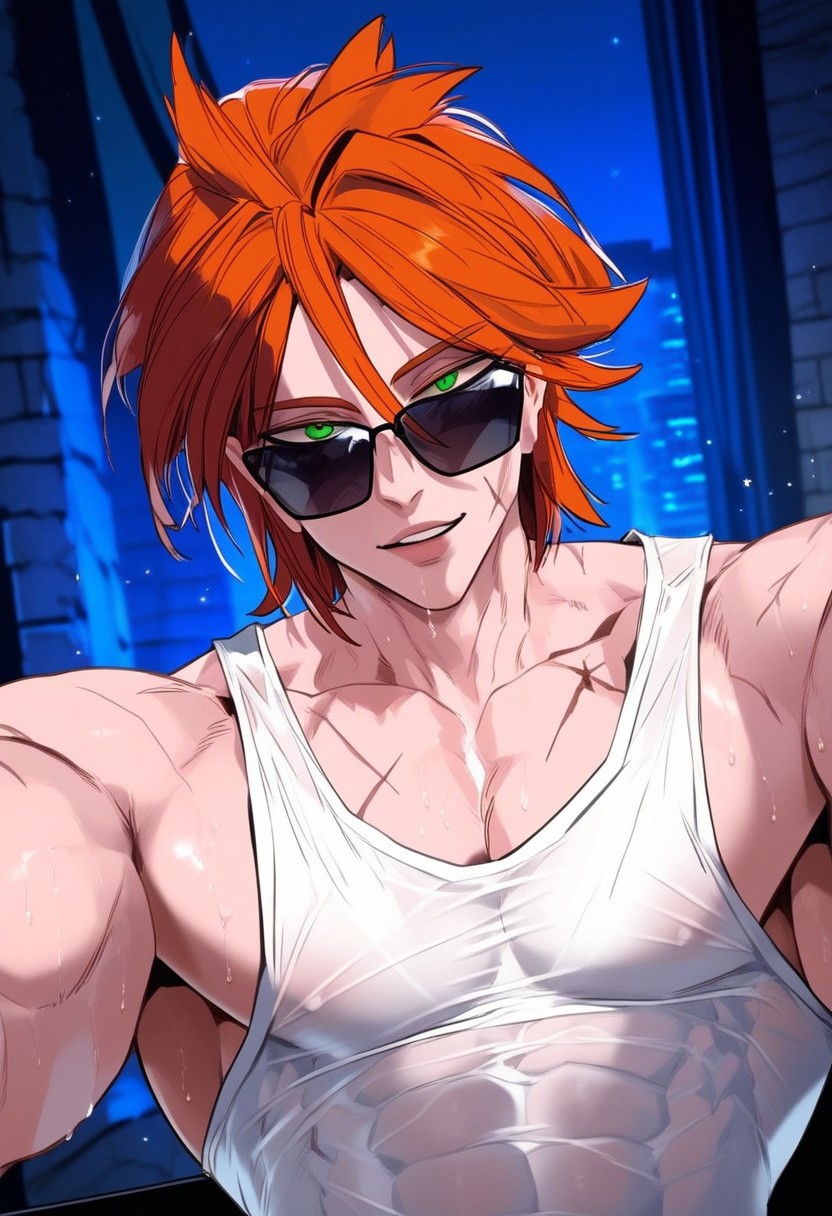
Genre Overview
Best styles
Webtoon, Ink Wash, Cinematic
Tone range
Quiet → Devastating
Key challenge
Micro-expression
Popular for
Long-form graphic novels
Character Consistency
In drama, tiny facial shifts carry enormous weight
Drama builds its emotional impact over time — the slow accumulation of small moments that suddenly land all at once. That accumulation requires the reader to track the same face through dozens of subtle changes. A character who looks slightly different in every scene destroys the slow-burn investment the genre depends on. The reader can't notice the darkness gathering around someone's eyes if those eyes keep changing. YarnSaga keeps every dramatic face consistent enough to be worth watching across the full arc of your story.
Ready?
Start your drama story.
YarnSaga generates consistent, publication-ready panels in any style — same characters, every scene, every page. Credit packs from $6.