Art Style
American Superhero Comic Style
Bold, iconic, and built for action
American superhero comic art is one of the most recognized visual languages in the world. With its powerful ink outlines, dynamic poses, and vivid color blocking, this style has defined pop culture for nearly a century — from the Golden Age of the 1940s to the blockbuster graphic novels of today.
A century of heroic storytelling
Born in the pages of Action Comics and Detective Comics in the late 1930s, the American superhero style evolved from pulp magazine illustration into a distinct art form. Artists like Jack Kirby, Neal Adams, and Jim Lee pushed the boundaries of anatomy, perspective, and visual drama — creating a style where every panel feels like a movie still. Thick ink outlines, cross-hatched shadows, and muscular proportions became the visual grammar of an entire genre.
What makes this style powerful
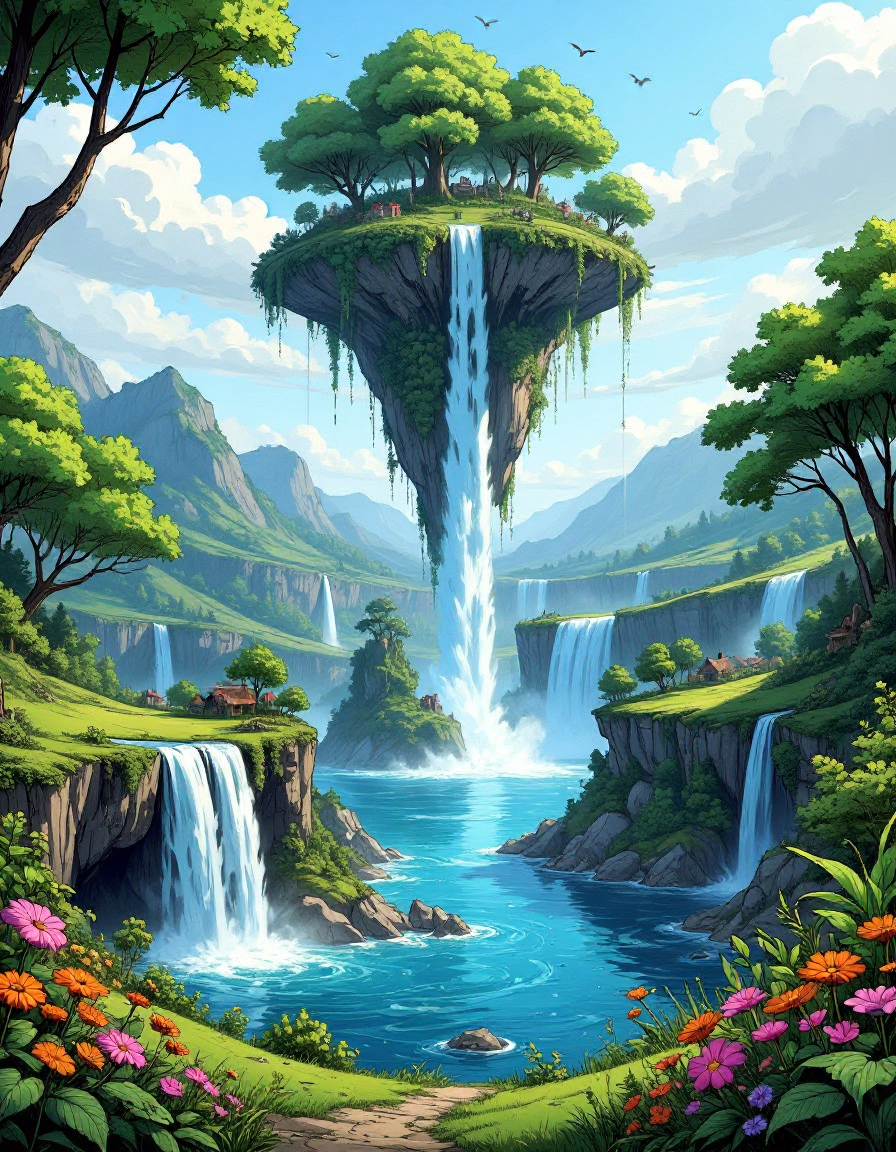
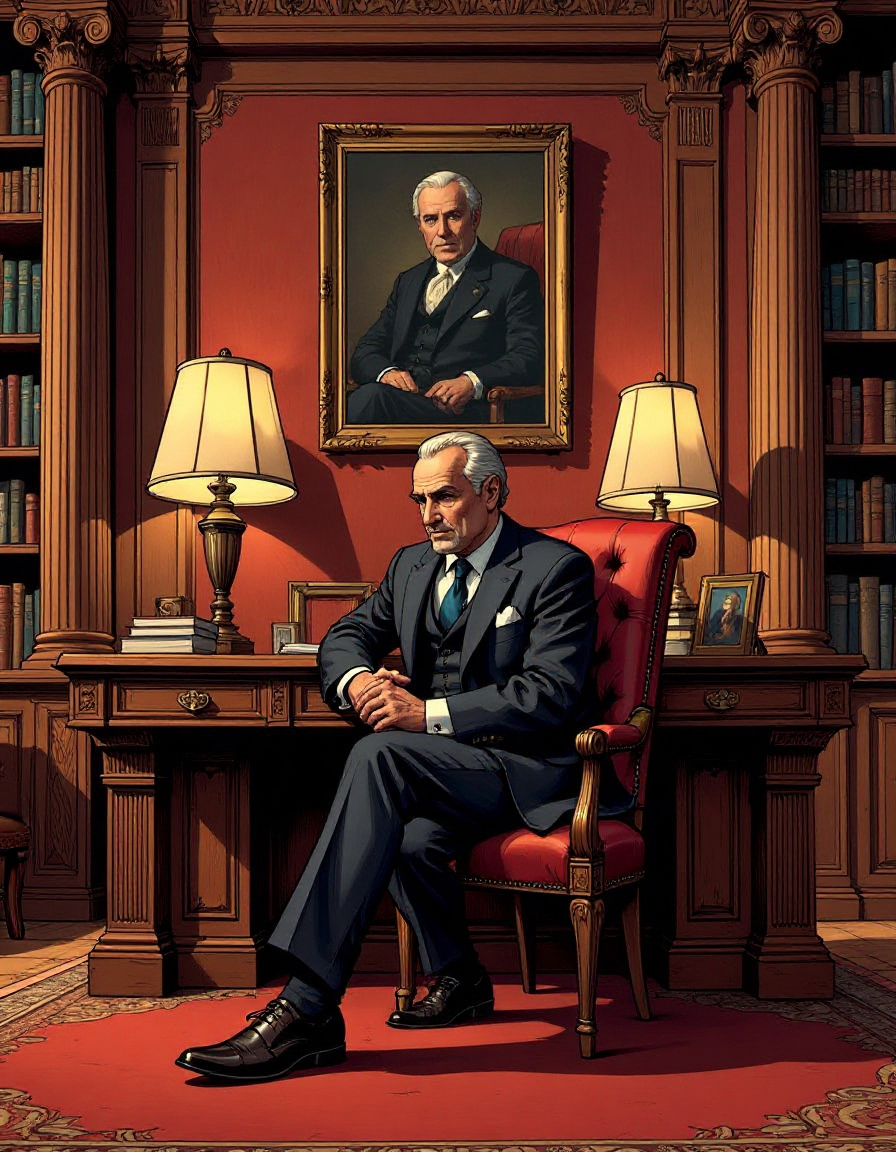
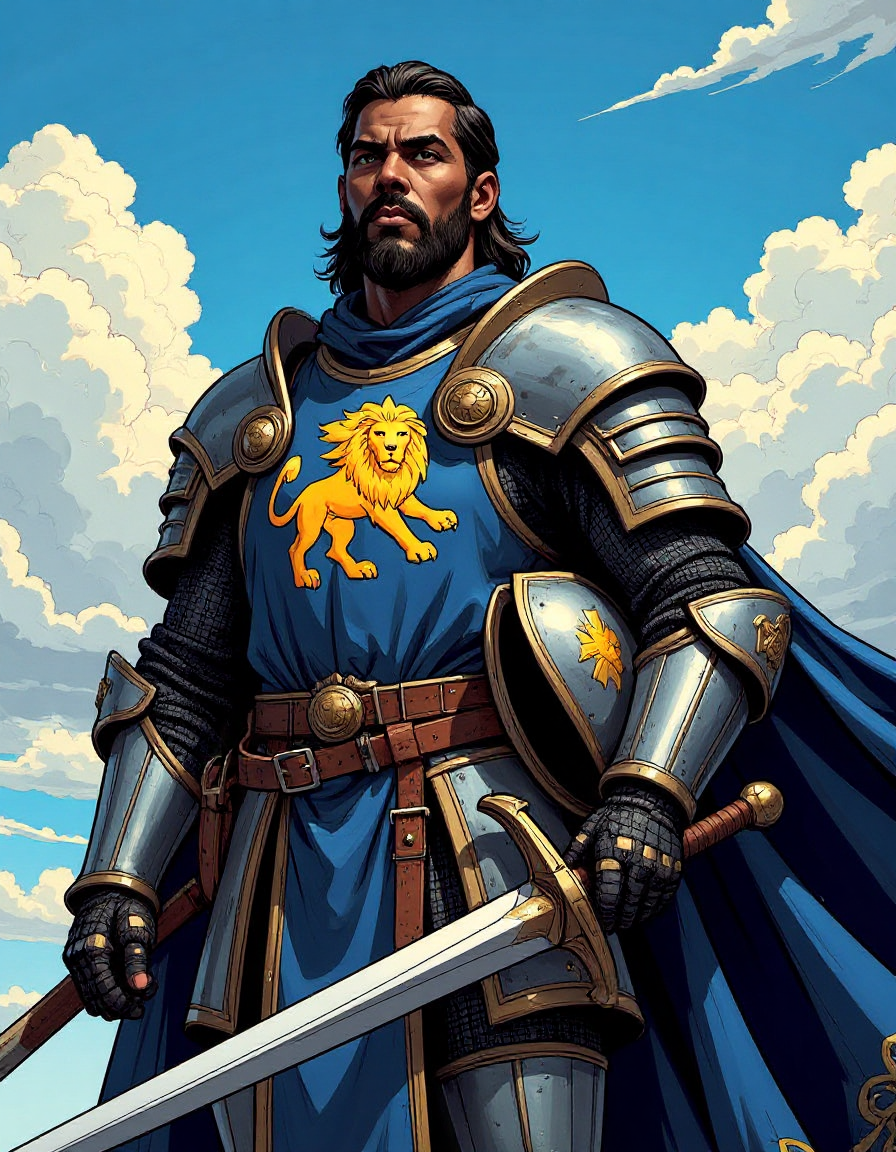
The magic of superhero comic art lies in its economy of drama. Heavy black outlines anchor figures against explosive color fills, while diagonal compositions and motion blur convey raw kinetic energy. The contrast between shadow and saturated color creates an immediacy that pulls readers into the action. Whether you're drawing a street-level detective or a cosmic deity, this style communicates power, stakes, and emotion with every panel.
When to choose the Superhero Classic style
This style excels whenever you need to communicate scale, physical power, or high-stakes conflict. Action sequences, origin stories, and any scene involving a confrontation between characters with clear moral stakes all benefit from the visual weight of superhero illustration. The style's strong contrast also makes it ideal for dramatic reveals — a character stepping out of shadow, a transformation moment, or a splash-page climax. It works equally well for street-level crime drama and cosmic adventure, scaling from gritty to operatic without losing its essential character.
Create a story in this style →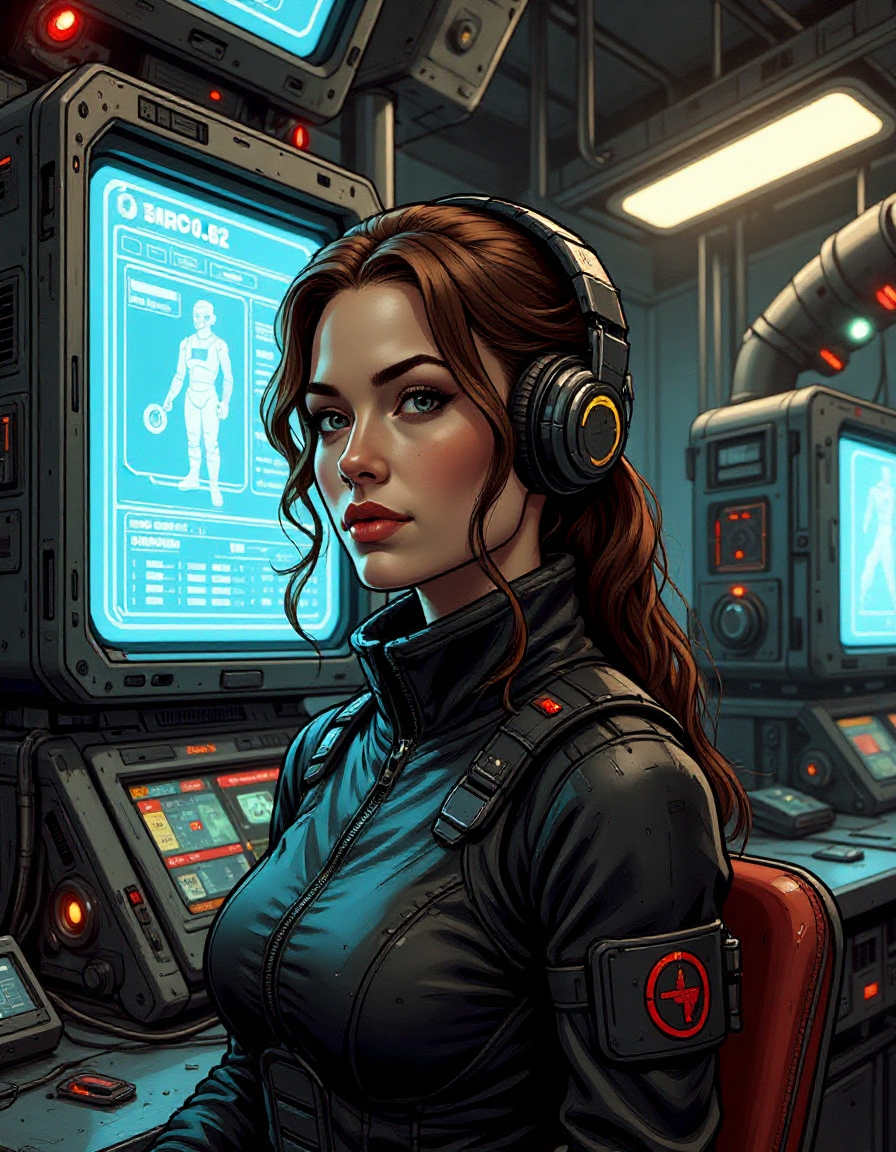
Style Characteristics
Origin
1930s USA
Best for
Action, Sci-fi
Mood
Epic, Intense
Complexity
High
Ready?
Start your story
in American Superhero.
YarnSaga generates consistent, publication-ready panels in this style — across every character, every scene, every page. Credit packs from $6.