Genre
Mythology Comics
Stories that survived thousands of years. Your visual choices determine if they survive one more.
Mythology comics adapt stories that have outlasted every civilization that first told them — which creates a specific creative challenge. These narratives carry the weight of millennia. The visual choices you make either tap into something archetypal that readers recognize across cultures and centuries, or miss that frequency entirely and produce something that looks like mythology without feeling like it.
Making ancient stories immediate
From Neil Gaiman and Charles Vess's mythology-infused Sandman stories to the Norse myths of Thor's earliest comics to the Greek tragedy of Ari Folman's Waltz with Bashir, comics have always wrestled with how to make ancient material speak to contemporary readers. The answer is never simply to modernize — it's to find the human constant underneath the cultural surface. Odysseus's desire to get home. Achilles's rage. Persephone's choice. These are current.
Visual languages of the ancient
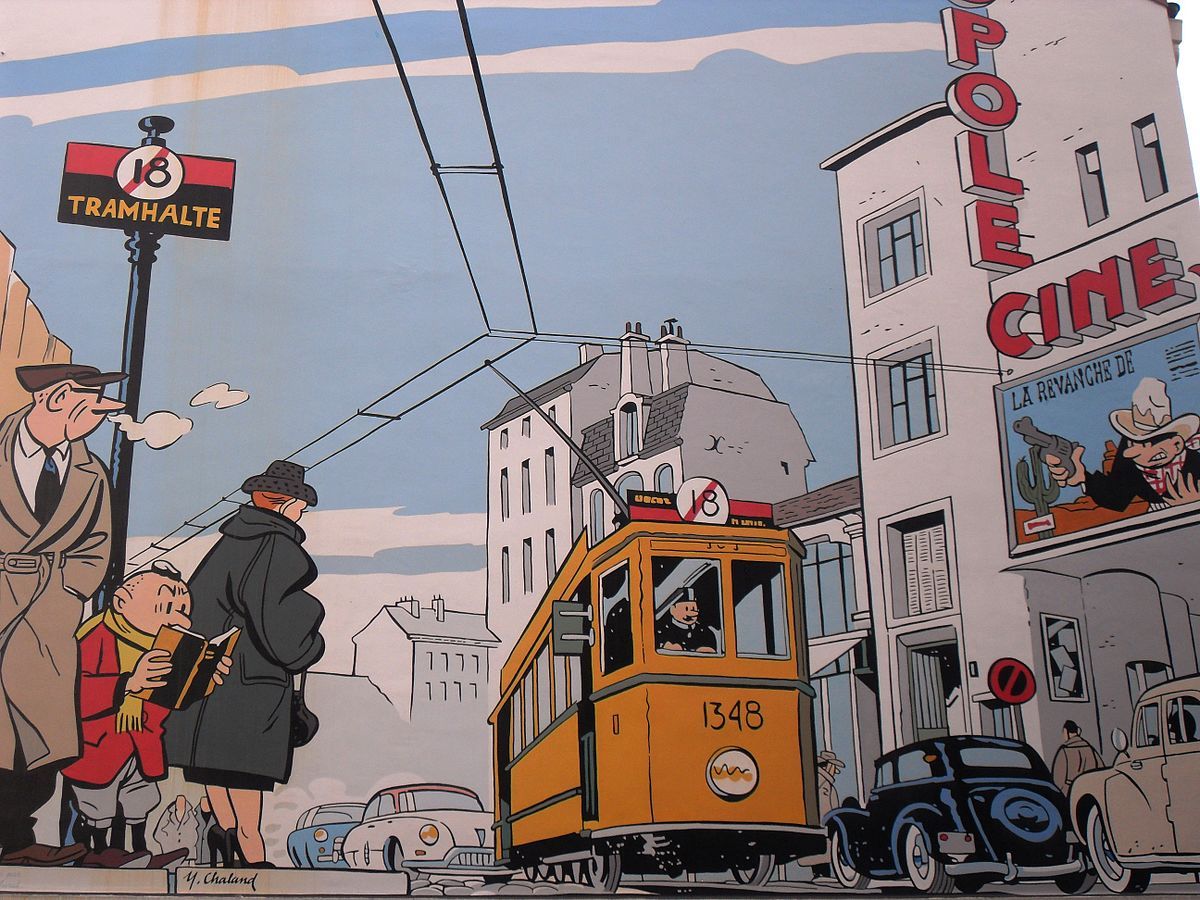
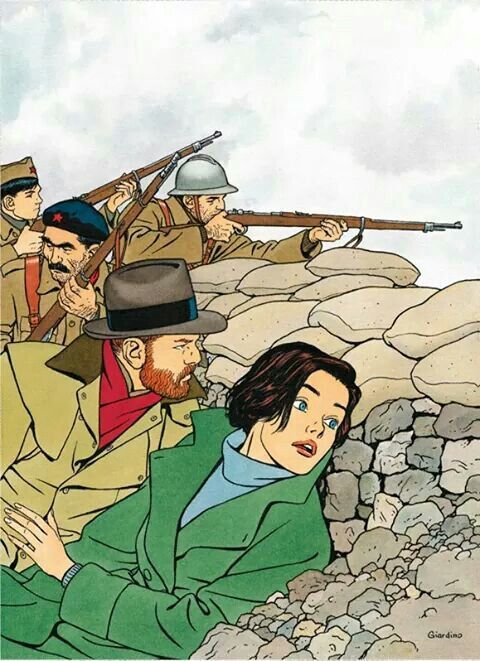
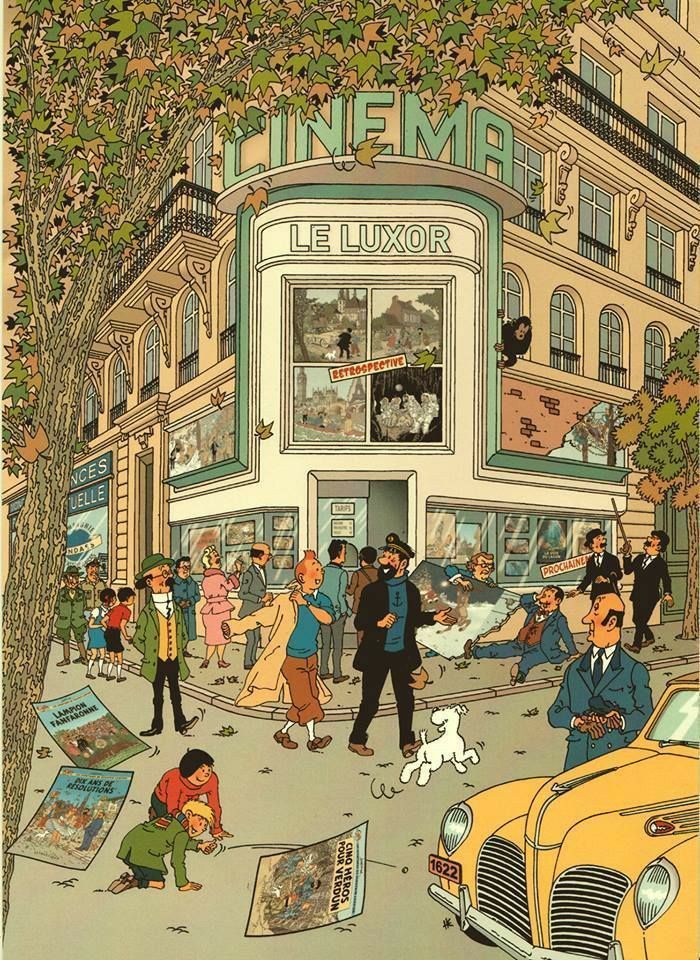
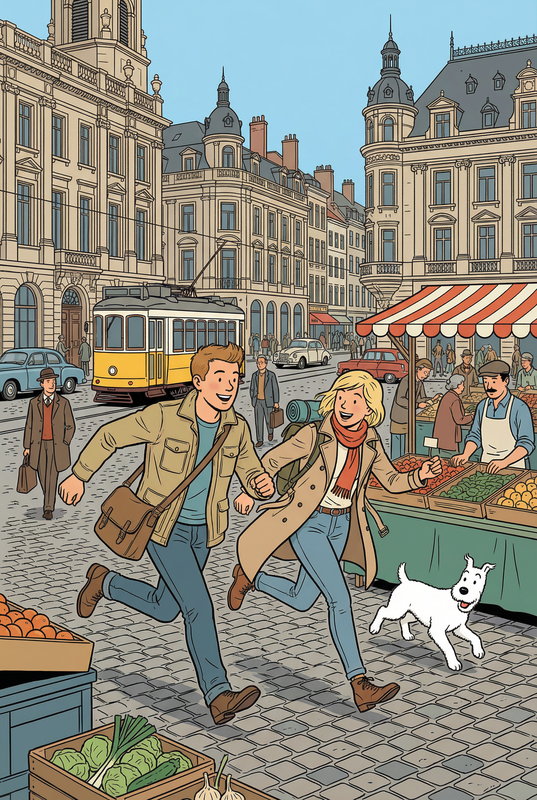
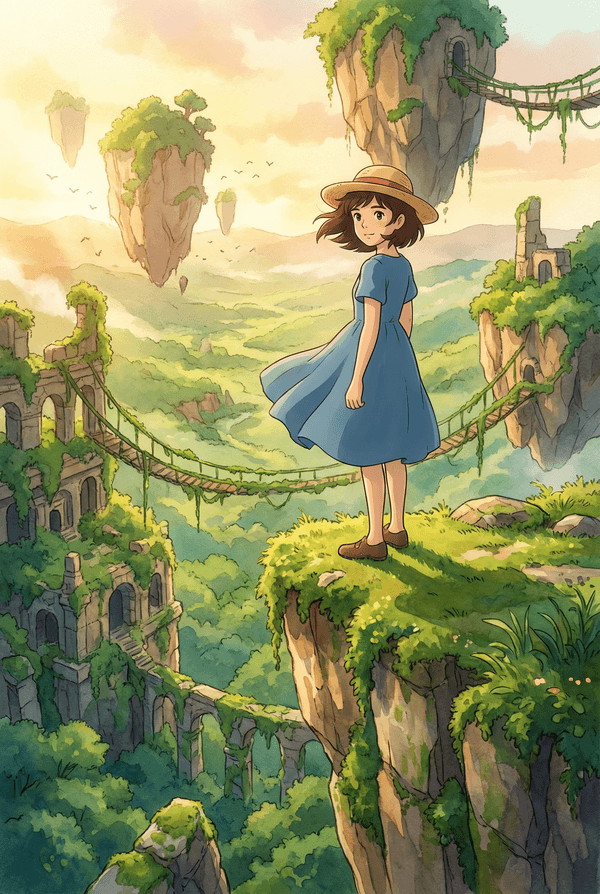
Ligne claire's precise draftsmanship — clear outlines, detailed backgrounds, human figures with classical proportions — has a natural affinity with classical mythology. It's the visual register of Hergé, but also of ancient frieze illustration: clear, detailed, and committed to showing everything. Studio Ghibli's approach suits mythology about nature, transformation, and the relationship between humans and divine forces. Ink wash brings the ceremonial, ritual quality of the oral tradition to the page.
Start your mythology story →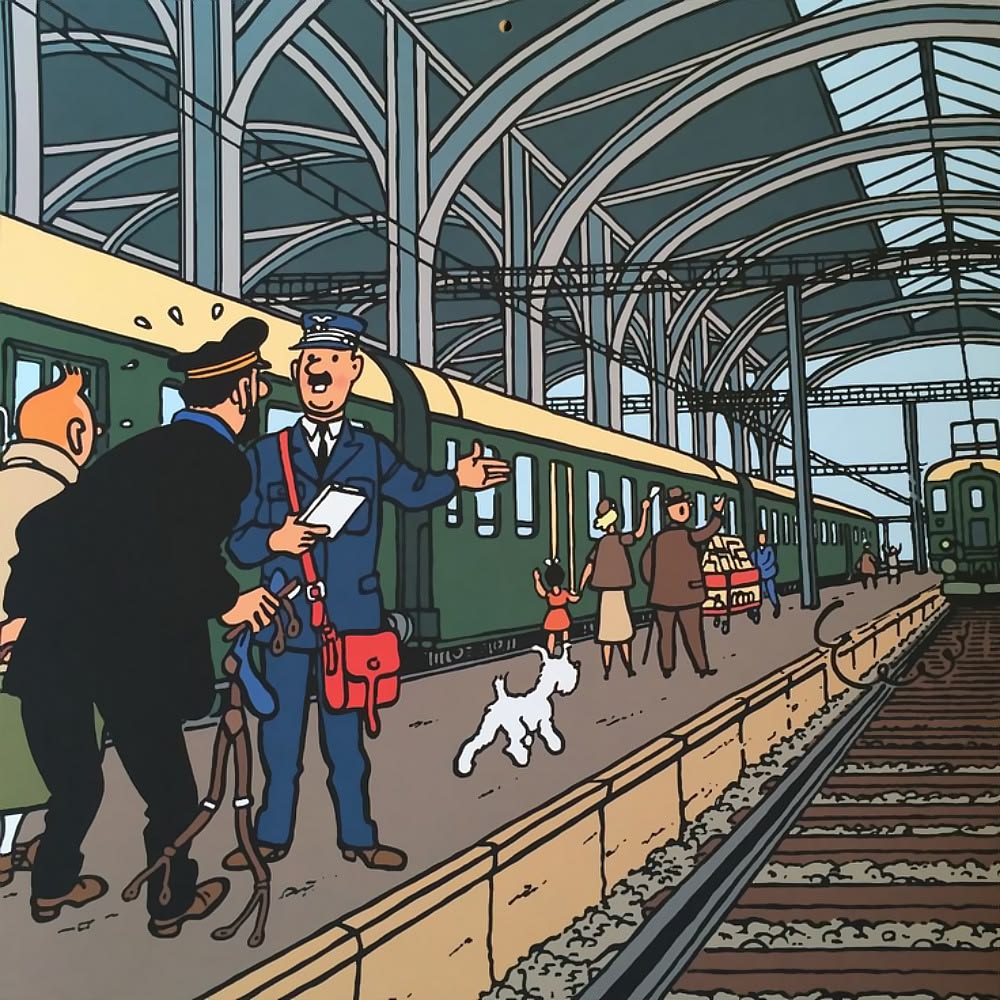
Genre Overview
Best styles
Ligne Claire, Ghibli, Ink Wash
Tone range
Classical → Contemporary retelling
Key challenge
Archetypal consistency
Popular for
Standalone graphic novels
Character Consistency
Gods and heroes must be recognizable across their many appearances and transformations
Mythology presents a unique consistency challenge: characters transform, take new forms, appear in different guises. Zeus is an eagle, a bull, a shower of gold. But the reader needs to know it's Zeus. The visual anchor — the specific features that persist through transformation — is what makes a divine character into an archetype rather than a series of unrelated images. YarnSaga lets you define those anchoring features once and maintain them across every form your mythological figures take.
Best Art Styles for Mythology
Ready?
Start your mythology story.
YarnSaga generates consistent, publication-ready panels in any style — same characters, every scene, every page. Credit packs from $6.