Genre
Romance Comics
Every blush, every glance, every moment that changes everything.
Romance is the most face-dependent genre in comics. Eighty percent of the storytelling happens in a character's eyes — a held glance, a quick look away, a smile that almost breaks into something more. The entire emotional investment readers build in a romance depends on one thing: that the face they fell for in chapter one is the same face they see in chapter twenty. Change it, even slightly, and the spell breaks.
The architecture of romantic tension
The greatest romance comics understand that what's almost said matters more than what's said. The genre evolved from shoujo manga in the 1970s — artists like Riyoko Ikeda and Moto Hagio pioneered the visual language of romantic longing: dramatic close-ups on eyes filling with tears, overlapping panels that compress time during key moments, the deliberate use of white space to let emotion breathe. Korean webtoons pushed this further, adding soft gradient shading and vertical scroll pacing that builds tension one panel at a time. The result is a format that can make an accidental hand-brush feel like an earthquake.
Styles that make romance land
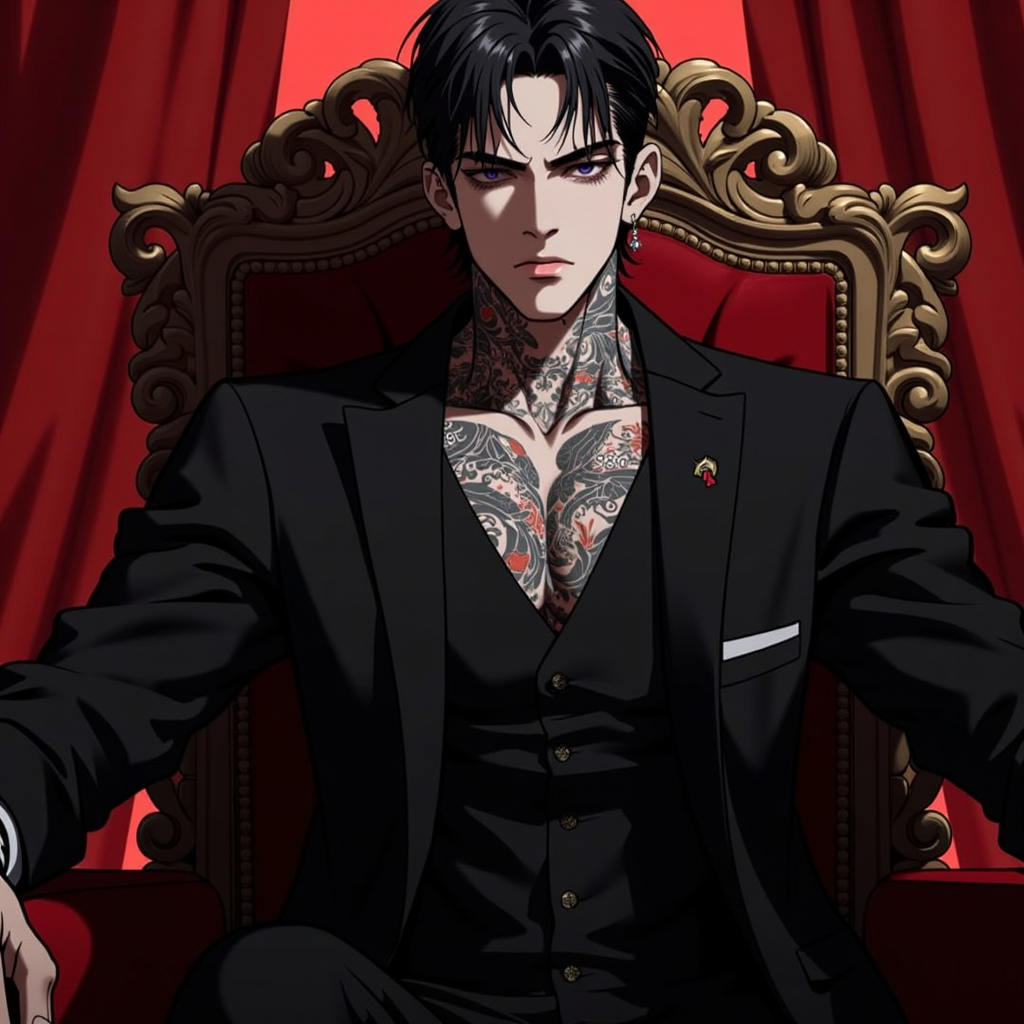
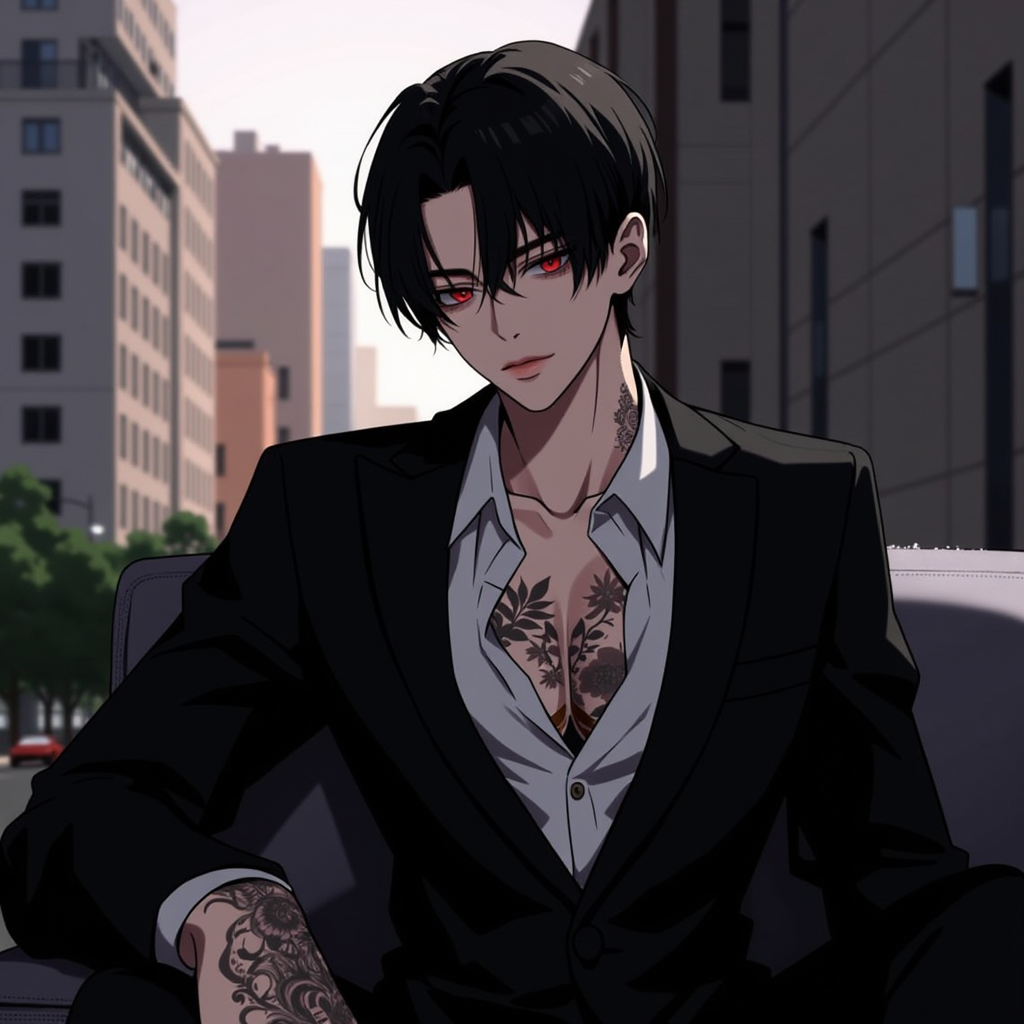
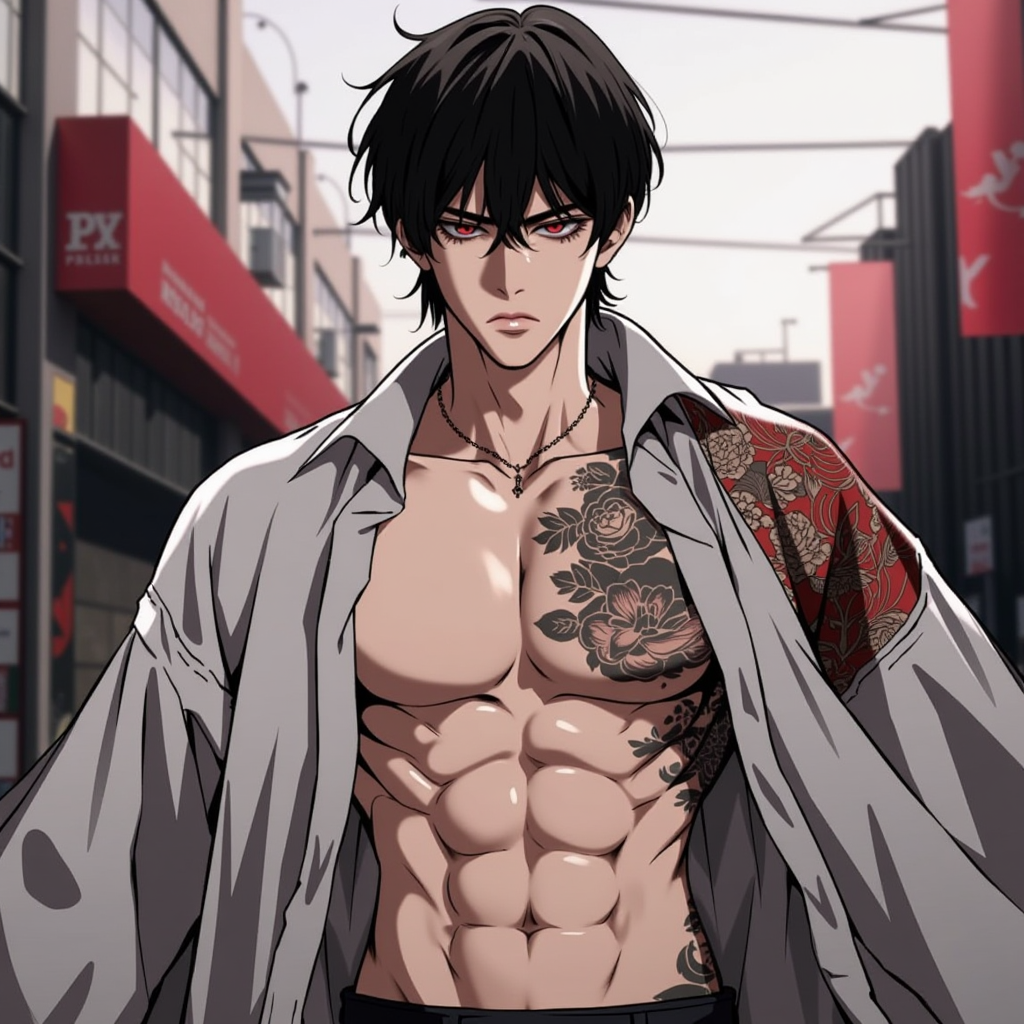
Korean webtoon and manhwa style is the natural home of romance comics — its soft gradient shading, elegant proportions, and polished digital finish create the aspirational beauty that romance readers expect from serialized stories. Manga brings rawer emotional intensity, where oversized eyes and reaction backgrounds make every confession feel like the center of the universe. Chibi moments — small, cute, exaggerated — are perfect for the comedic beats and embarrassed-blush scenes that give romance stories their lightness alongside the drama.
Start your romance story →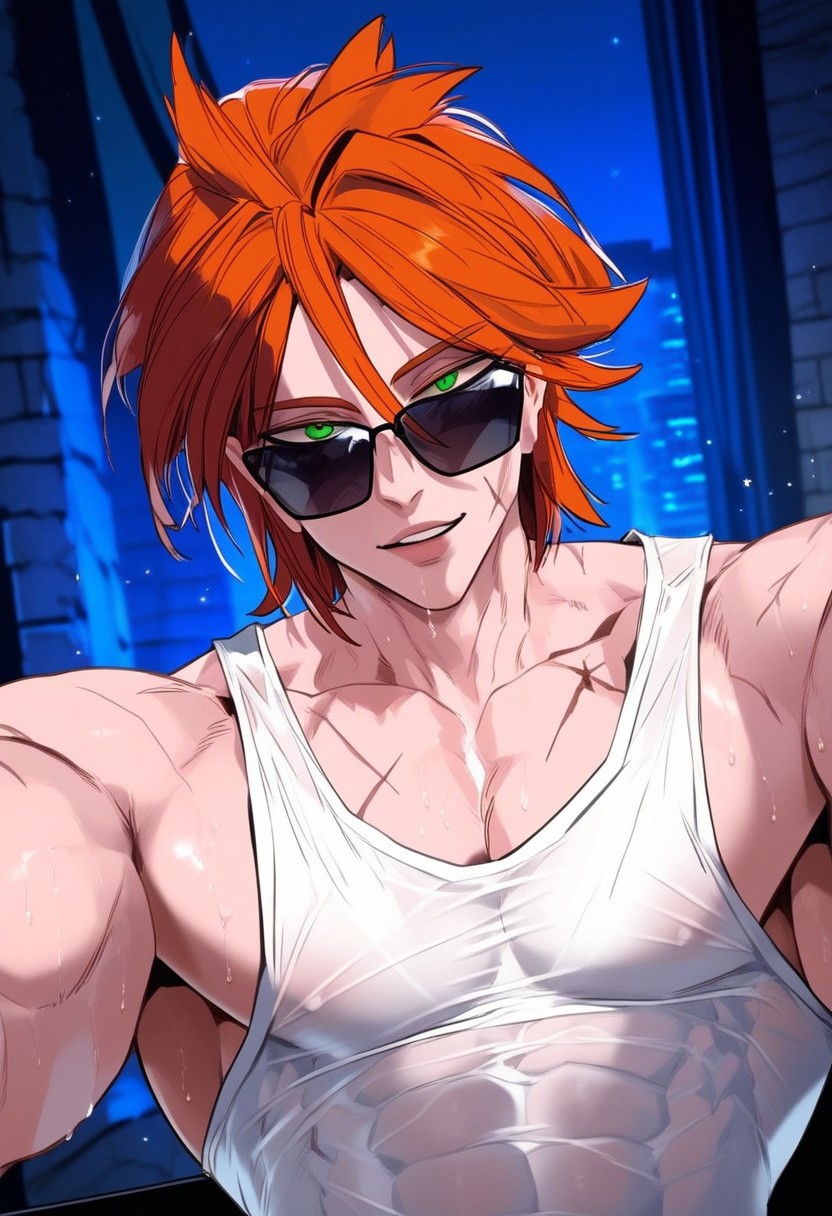
Genre Overview
Best styles
Webtoon, Manga, Chibi
Tone range
Sweet → Dramatic
Key challenge
Face consistency
Popular for
Serial webtoons
Character Consistency
The love interest has to look like themselves — every single time
Romance readers form a deep attachment to the love interest. They're rooting for a specific face, a specific way that one character looks at another. When AI-generated panels produce a different version of the love interest in every scene — different jaw, different eyes, a slightly wrong expression — the attachment doesn't form. The story feels like it's about strangers. YarnSaga's character anchor system keeps your romantic leads consistent across every blush, every argument, every almost-kiss — so the reader's investment can build the way it's supposed to.
Best Art Styles for Romance
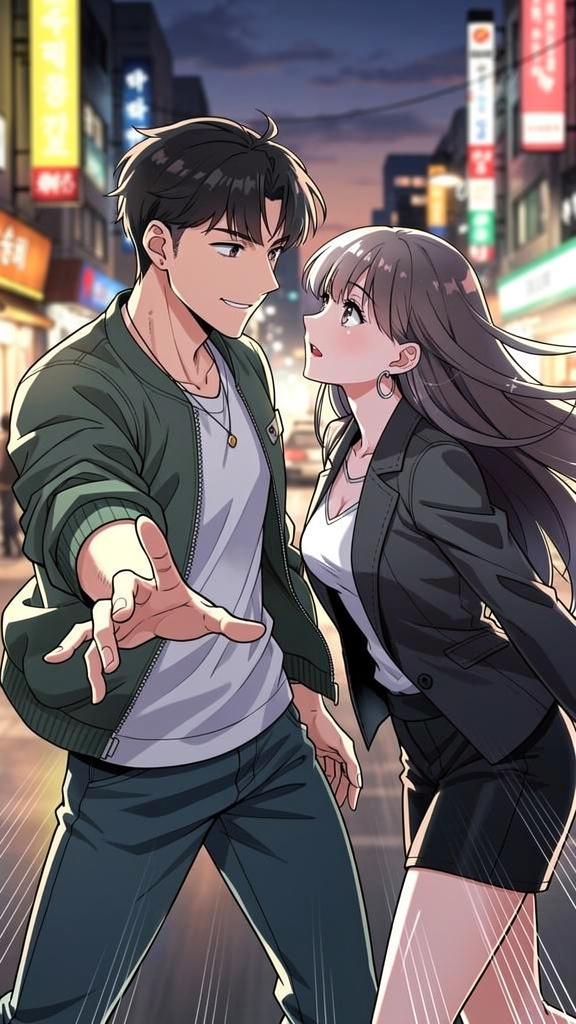
Webtoon / Manwha
Soft gradient shading, elegant proportions, and polished digital finish — the visual language modern romance readers expect.
View style →
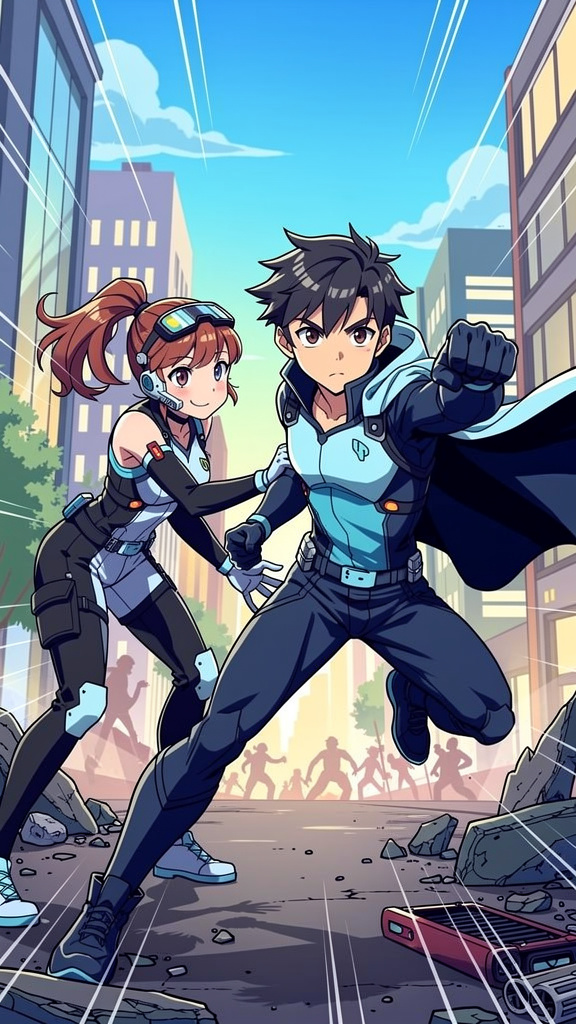
Manga / Anime
Vivid flat color and oversized expressive eyes make every confession land with the emotional weight it deserves.
View style →
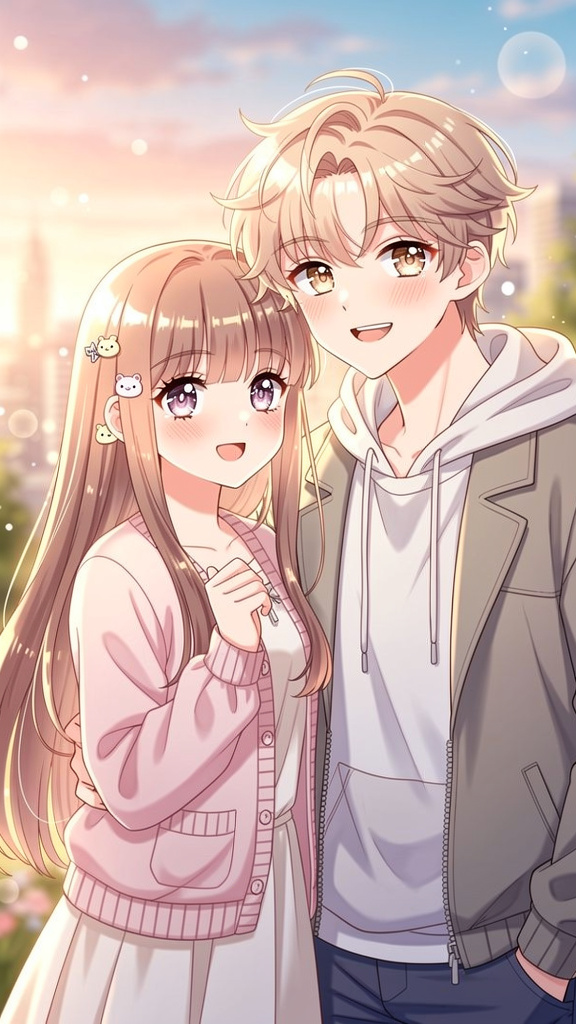
Chibi / Kawaii
Perfect for comic relief moments, embarrassed blushes, and the small awkward scenes that make romance stories feel real.
View style →
Ready?
Start your romance story.
YarnSaga generates consistent, publication-ready panels in any style — same characters, every scene, every page. Credit packs from $6.