Genre
Mystery Comics
Every panel is a clue. Every face hides something.
Mystery is the genre of visual details. A recurring object only registers as a clue if it looks the same each time it appears. A suspect's tell — a nervous habit, an unusual accessory, a way of holding their hands — only means something if the reader has seen it consistently. Mystery comics demand that readers pay close attention, and that attention only pays off if the visual language is reliable. In a mystery, inconsistency isn't just an aesthetic flaw — it's a plot hole.
The detective story is one of comics' oldest traditions
Mystery comics have deep roots. Hergé's Tintin — drawn in the precise, clean ligne claire style — is essentially a detective series: clues, deduction, revelation, justice delivered across richly detailed backgrounds where every object is visible and potentially significant. The hardboiled American detective tradition found its natural visual home in Sin City's uncompromising black-and-white. Agatha Christie adaptations taught artists how to use panel composition to hide and reveal — showing a character's hands but not their face, cutting away before the crucial moment, then returning to a detail that seemed incidental three pages earlier. In mystery, every panel is a piece of evidence.
Style as atmosphere in mystery storytelling
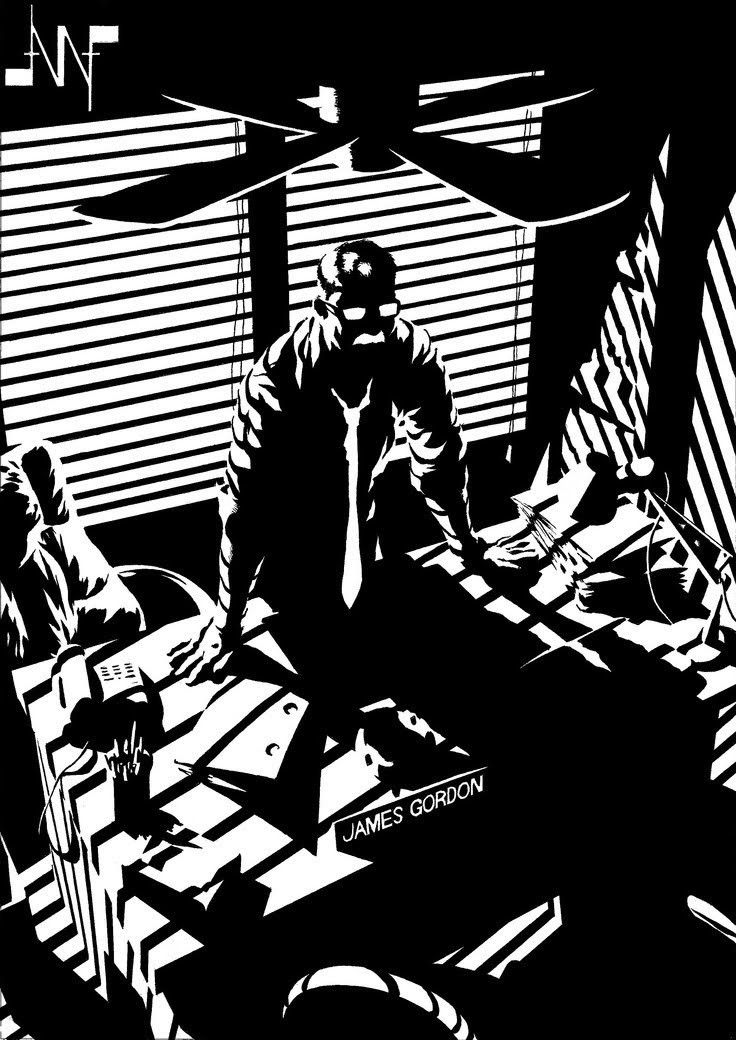
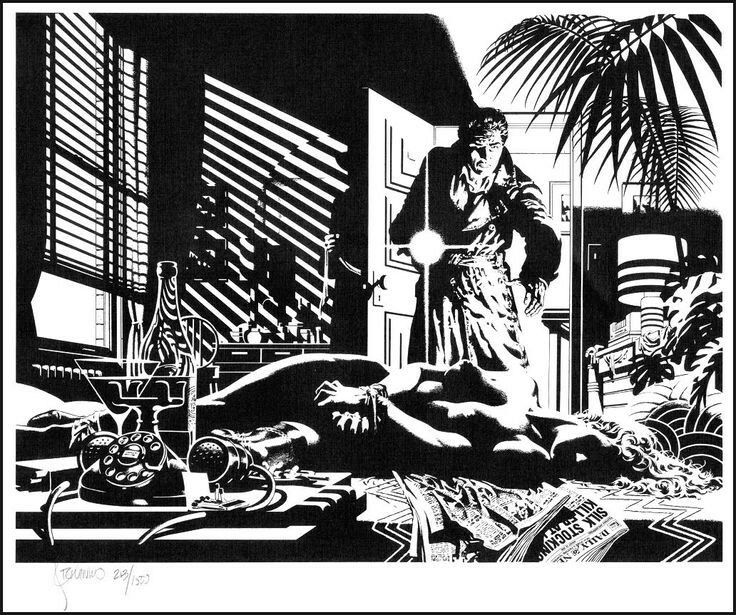
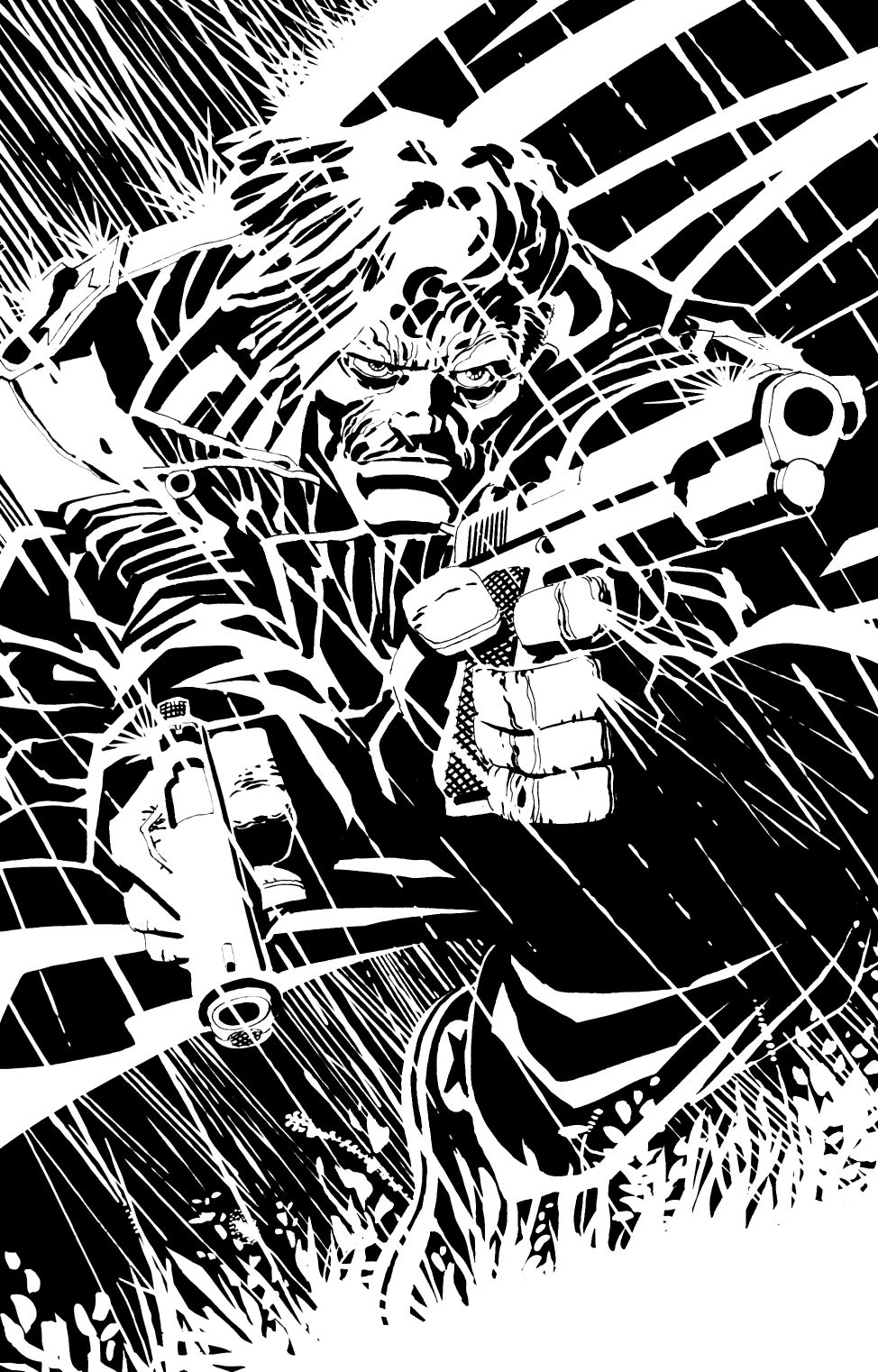
Noir and Sin City's extreme black-and-white creates the defining visual atmosphere of detective fiction — rain-slicked streets, venetian blind shadows, the sense that the city itself is corrupt. The retro comic style brings a Golden Age mystery aesthetic, the kind of story where a trench-coated detective solves impossible crimes against a backdrop of Ben-Day dots and flat bold color. Ligne claire — with its precise, uniform outlines and detailed backgrounds — is the perfect tool for puzzle-driven mysteries where the reader needs to see everything clearly enough to solve the crime alongside the detective.
Start your mystery story →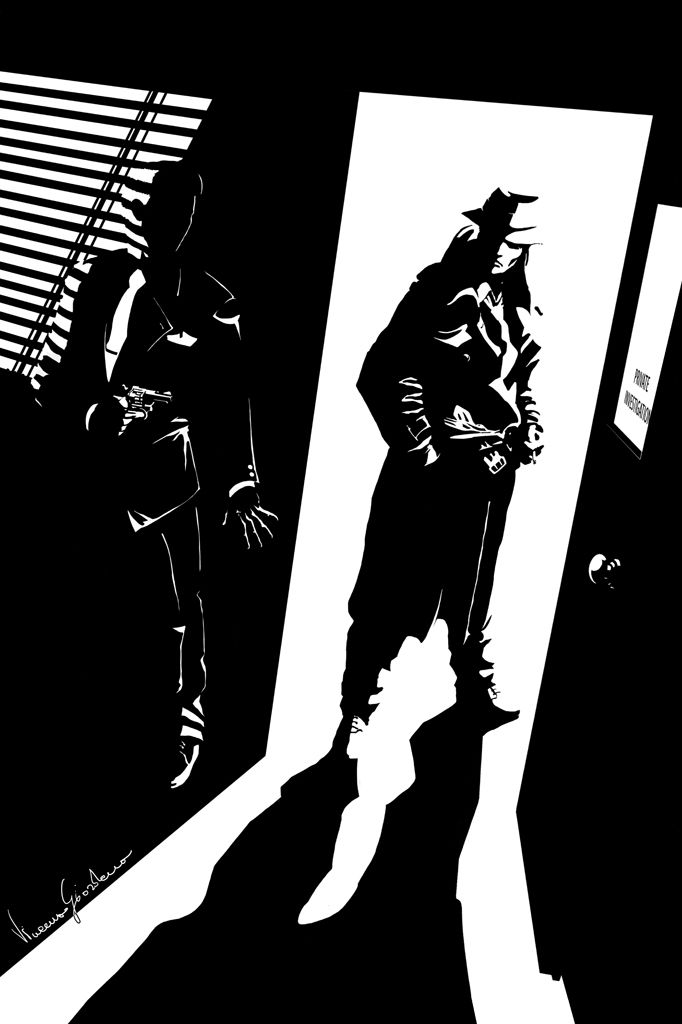
Genre Overview
Best styles
Noir, Retro, Ligne Claire
Tone range
Cozy → Dark Noir
Key challenge
Visual clue continuity
Popular for
Multi-chapter arcs
Character Consistency
The detective is the reader's eyes — they need a consistent pair
In a mystery comic, the protagonist is the reader's proxy. Every scene is filtered through what they notice, what they overlook, what they return to. That proxy must look the same from the first page to the last, or the reader loses their anchor to the story. Beyond the detective, every suspect must be individually recognizable — the nervous alibi provider, the too-helpful witness, the person who was definitely in the wrong place. Visual consistency is what makes these people into suspects rather than interchangeable background figures. YarnSaga maintains every character's appearance across the full arc of your mystery.
Best Art Styles for Mystery
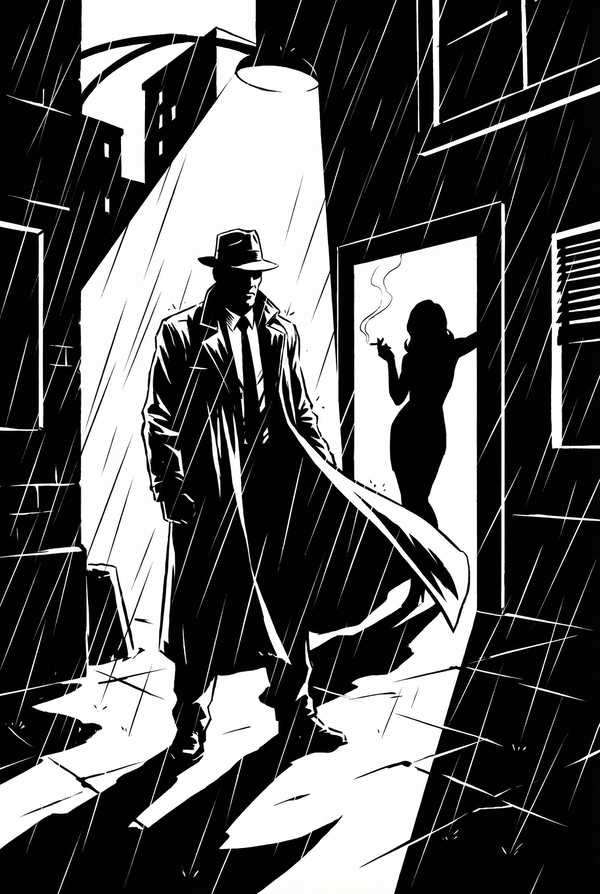
Noir / Sin City
Rain-slicked streets, venetian blind shadows, and a city that feels corrupt from the first panel — the definitive detective atmosphere.
View style →
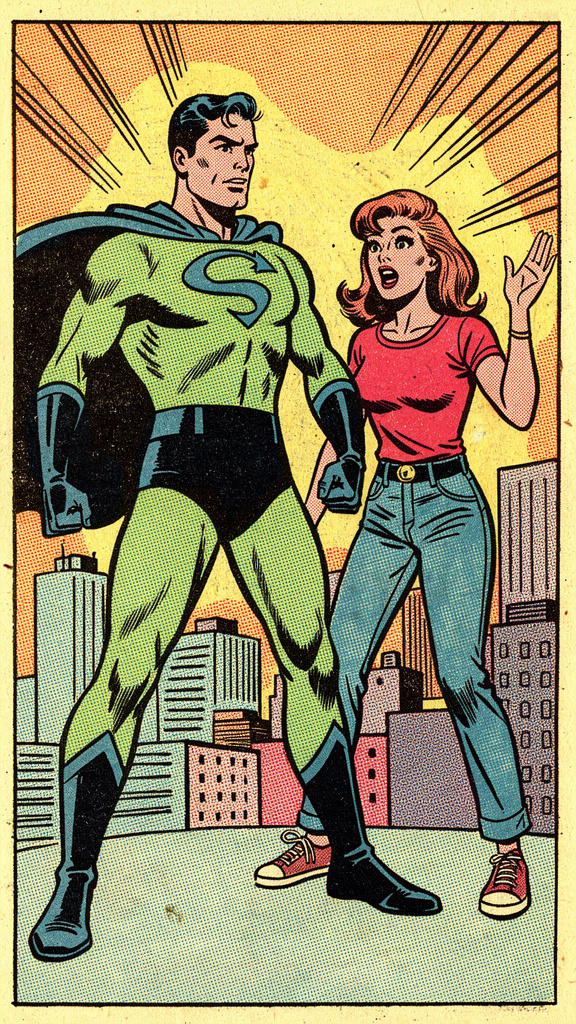
Retro Comic
Ben-Day dots and flat bold color bring a Golden Age mystery aesthetic where every panel feels like evidence from a 1950s crime file.
View style →
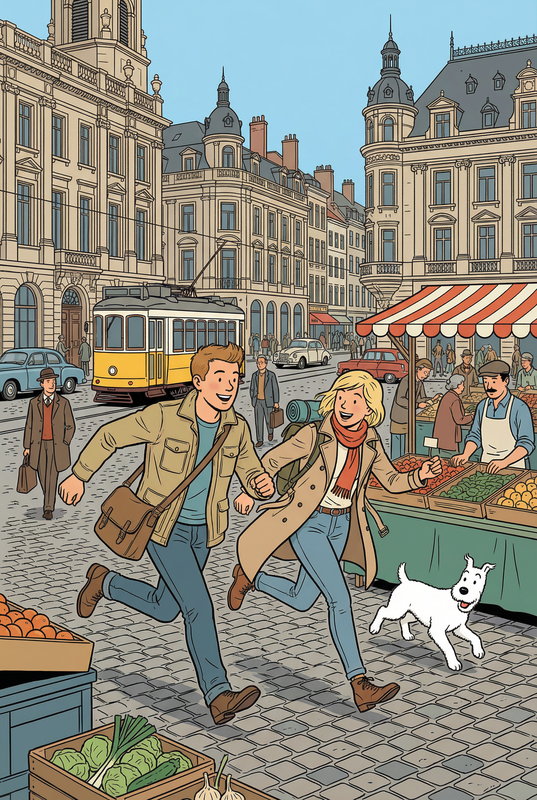
Franco-Belgian / Ligne Claire
Precise uniform outlines and detailed backgrounds let every clue be seen clearly — essential when readers solve the crime alongside the detective.
View style →
Ready?
Start your mystery story.
YarnSaga generates consistent, publication-ready panels in any style — same characters, every scene, every page. Credit packs from $6.