Art Style
Game Concept Art Comic Style
Where AAA games meet graphic novels
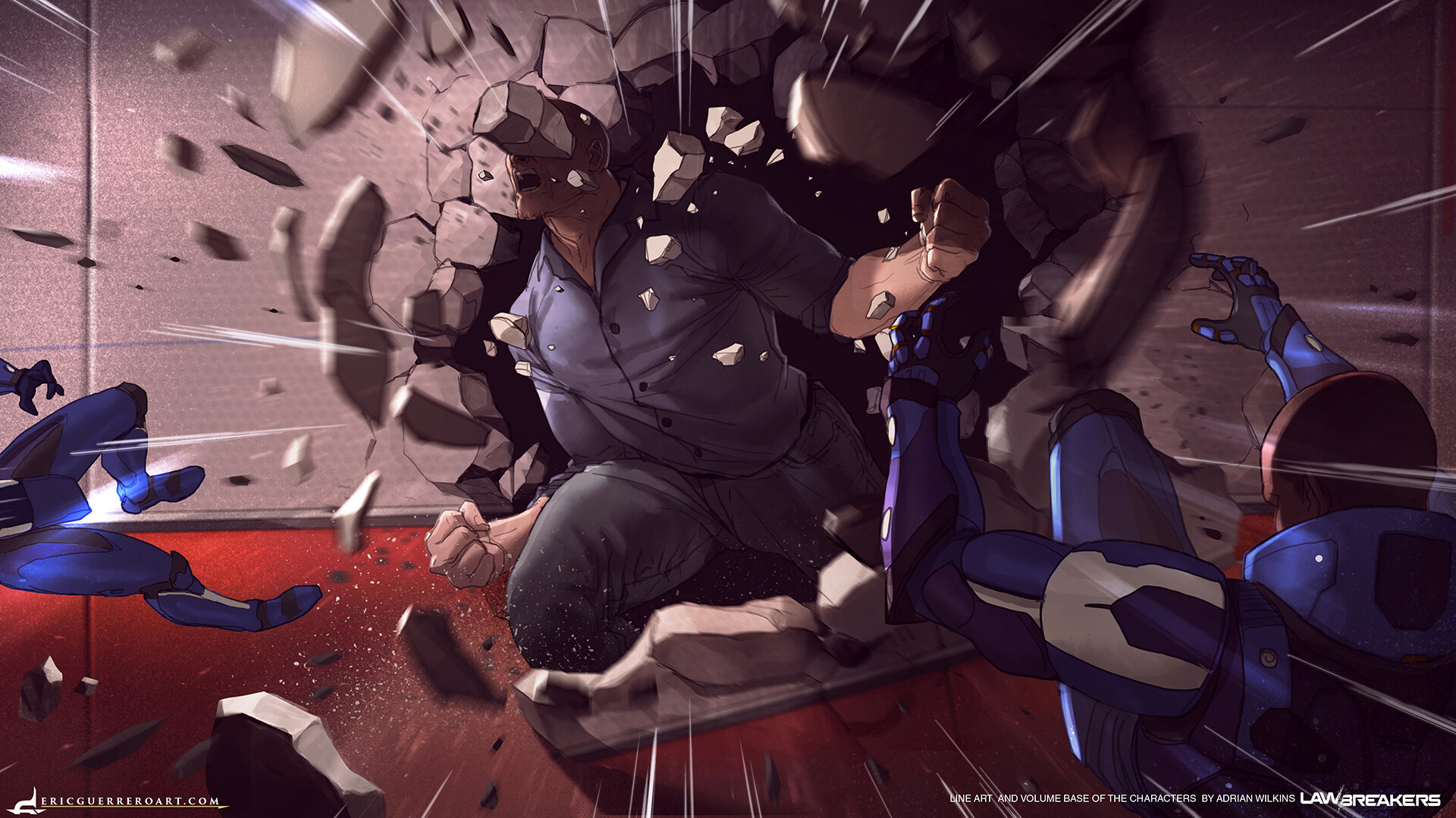
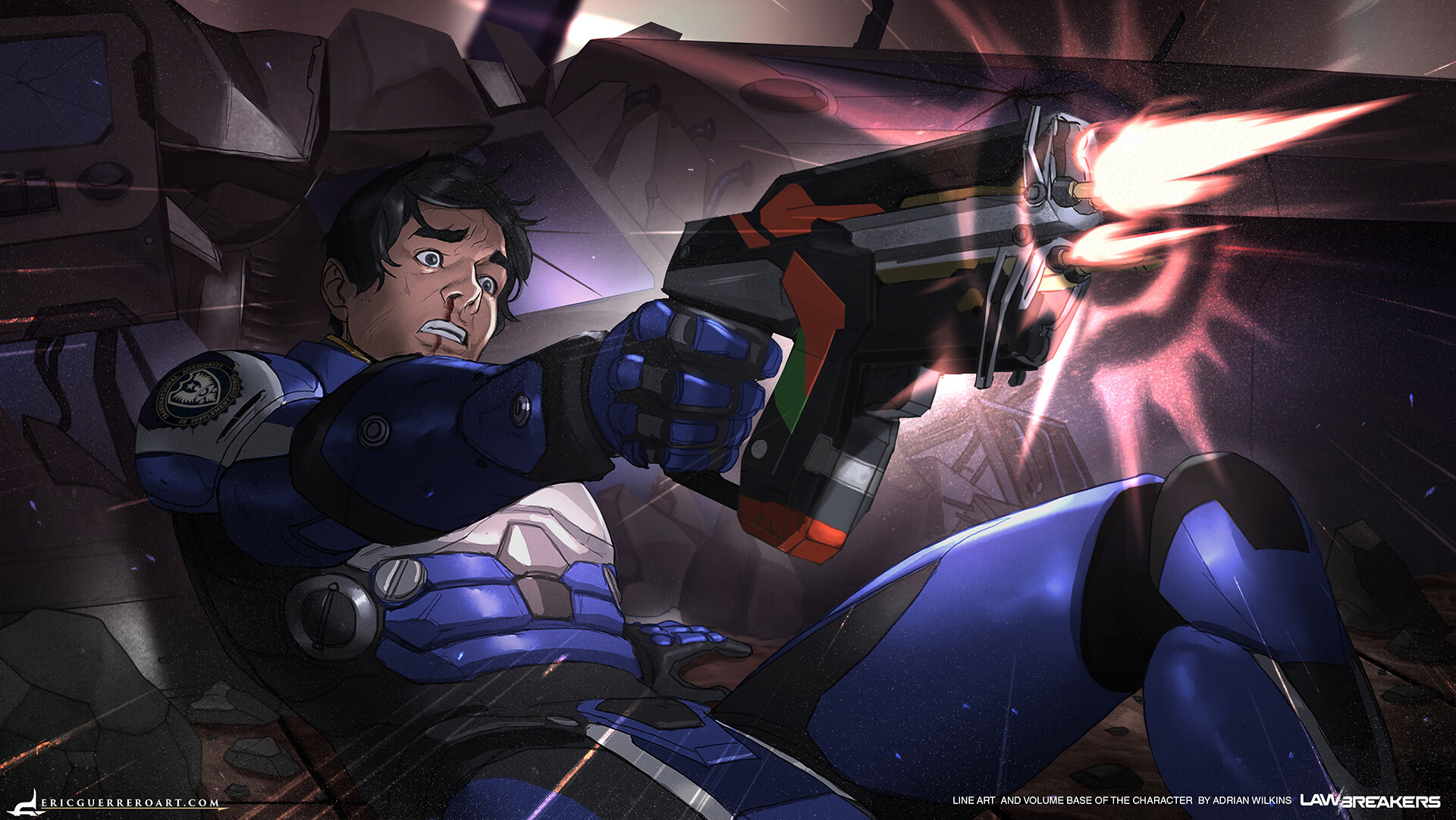
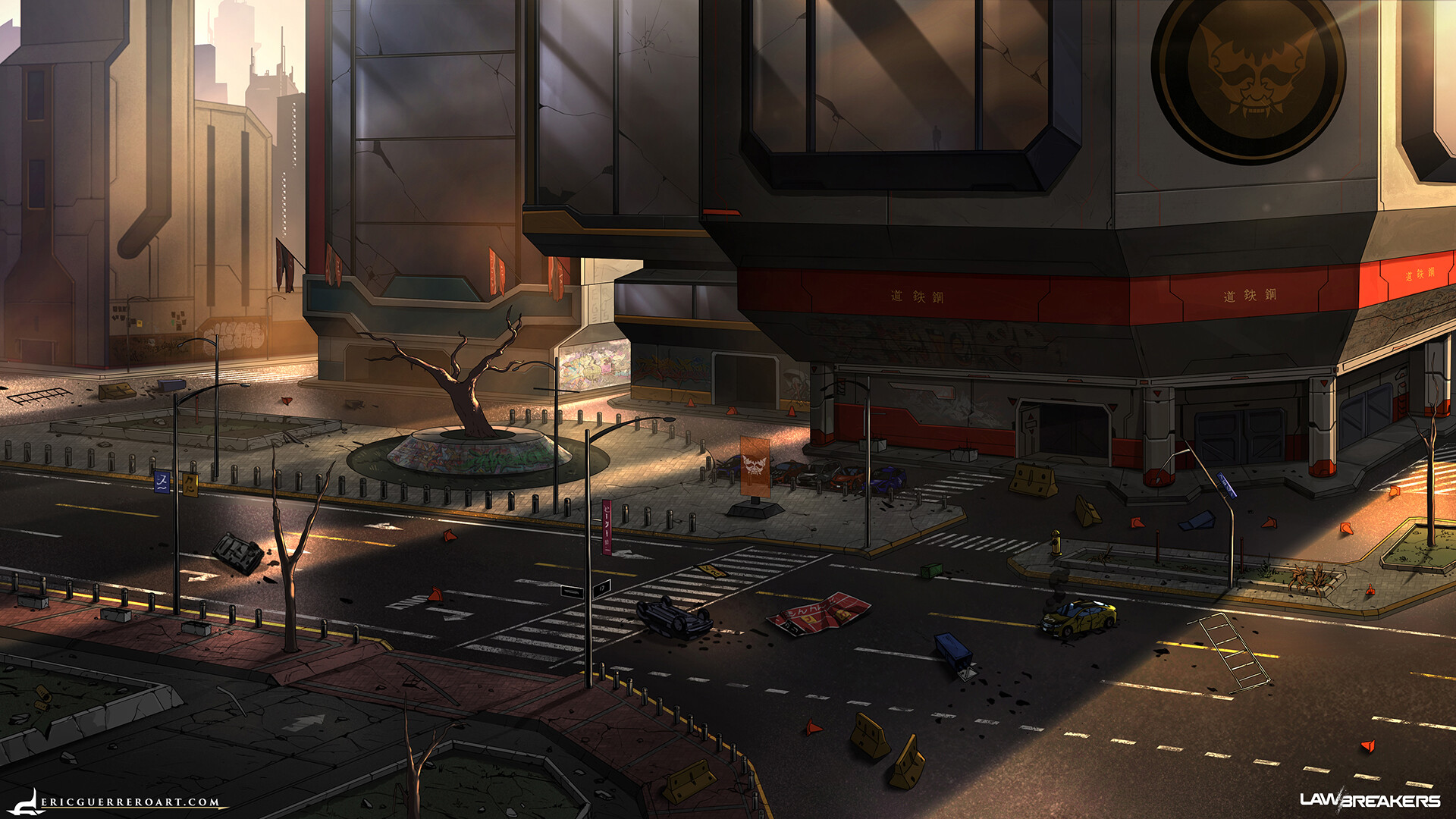
Game concept art brings the visual language of blockbuster video games to the comic page. Dramatic lighting, semi-realistic proportions, and a sci-fi color palette of deep blues and electric oranges create panels that feel like cinematics from an unplayed game you desperately want to experience.
The art of world-building through visuals
Concept art as a profession emerged from the games and film industries in the 1990s and 2000s, as studios needed artists who could define the visual identity of entire fictional worlds. Artists like Craig Mullins and Feng Zhu pioneered a style that combined classical painting techniques with digital efficiency — clean confident linework, cinematic lighting, and a mastery of silhouette that could communicate character identity in an instant. This style became the visual backbone of franchises like Halo, Mass Effect, and Destiny.
Cinematic quality in every panel
What makes game concept art ideal for graphic novels is its mastery of visual hierarchy. Every element in the frame is deliberately placed to guide the eye — rim lighting separates characters from backgrounds, atmospheric perspective creates depth, and the limited but striking color palette unifies the composition. The semi-realistic proportions mean characters feel grounded in physics while still reading as heroic. It's a style that makes readers feel like they're experiencing a story bigger than any single panel can contain.
Create a story in this style →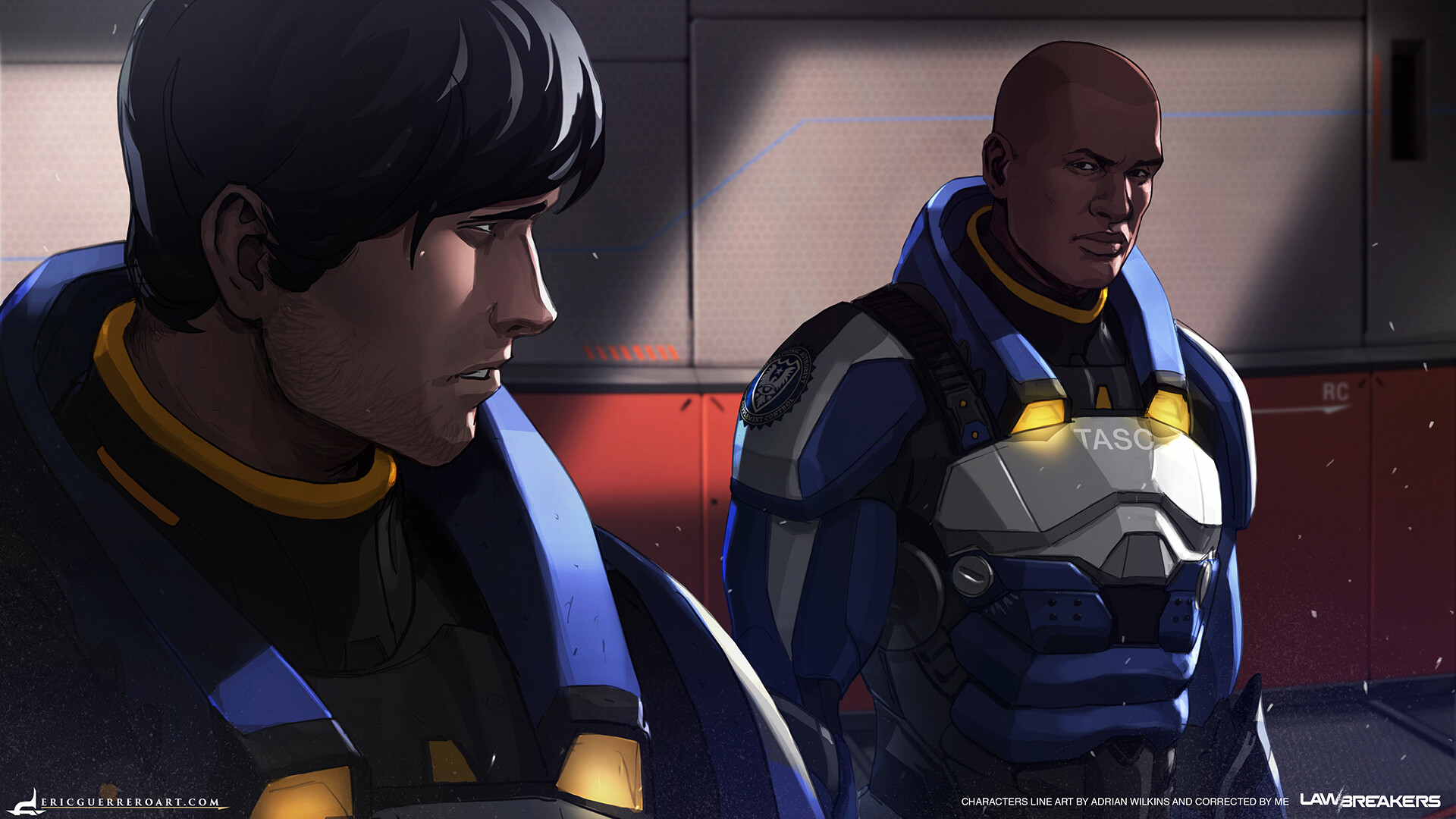
Style Characteristics
Origin
1990s Game Industry
Best for
Sci-fi, Military, Action
Mood
Cinematic, Intense
Complexity
High
Ready?
Start your story
in Game Concept Art.
YarnSaga generates consistent, publication-ready panels in this style — across every character, every scene, every page. Credit packs from $6.