Genre
Sci-Fi Comics
The future is vast. Your characters are the only thing that feels like home.
Science fiction is world-building at maximum scale — interstellar civilizations, centuries of history compressed into a panel, technology that defines entire societies. Against that vastness, your characters are the only fixed point. The human face in the foreground of an alien planet is what makes the scale feel meaningful rather than overwhelming. Lose that anchor, let the faces drift from panel to panel, and the reader floats untethered in a universe that means nothing.
A century of visual science fiction
Science fiction comics have always operated at the intersection of art and speculation. The painted covers of 1950s pulp sci-fi set a standard for cinematic scale and technological wonder that modern artists still reference. Moebius — Jean Giraud — created a visual language for science fiction that every designer since has borrowed from: clean architectural lines, vast negative space, figures dwarfed by the scale of machines and worlds. Akira's Katsuhiro Otomo brought density and urban realism to manga sci-fi, proving that the future could look dirty and lived-in rather than pristine. Today, the painterly cinematic style of productions like Arcane and Dune defines what prestige science fiction storytelling looks like.
Choosing the visual register for your future
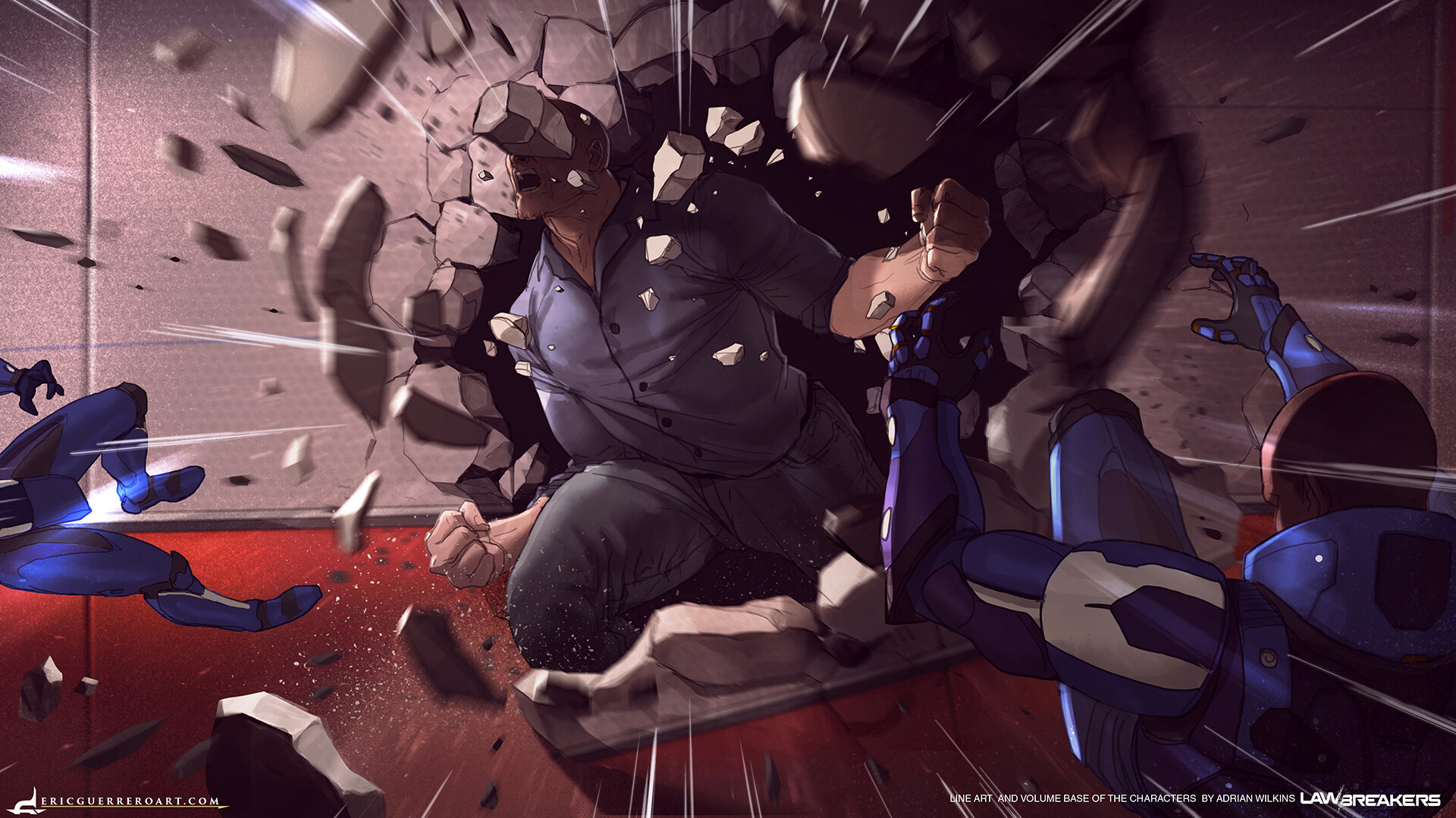
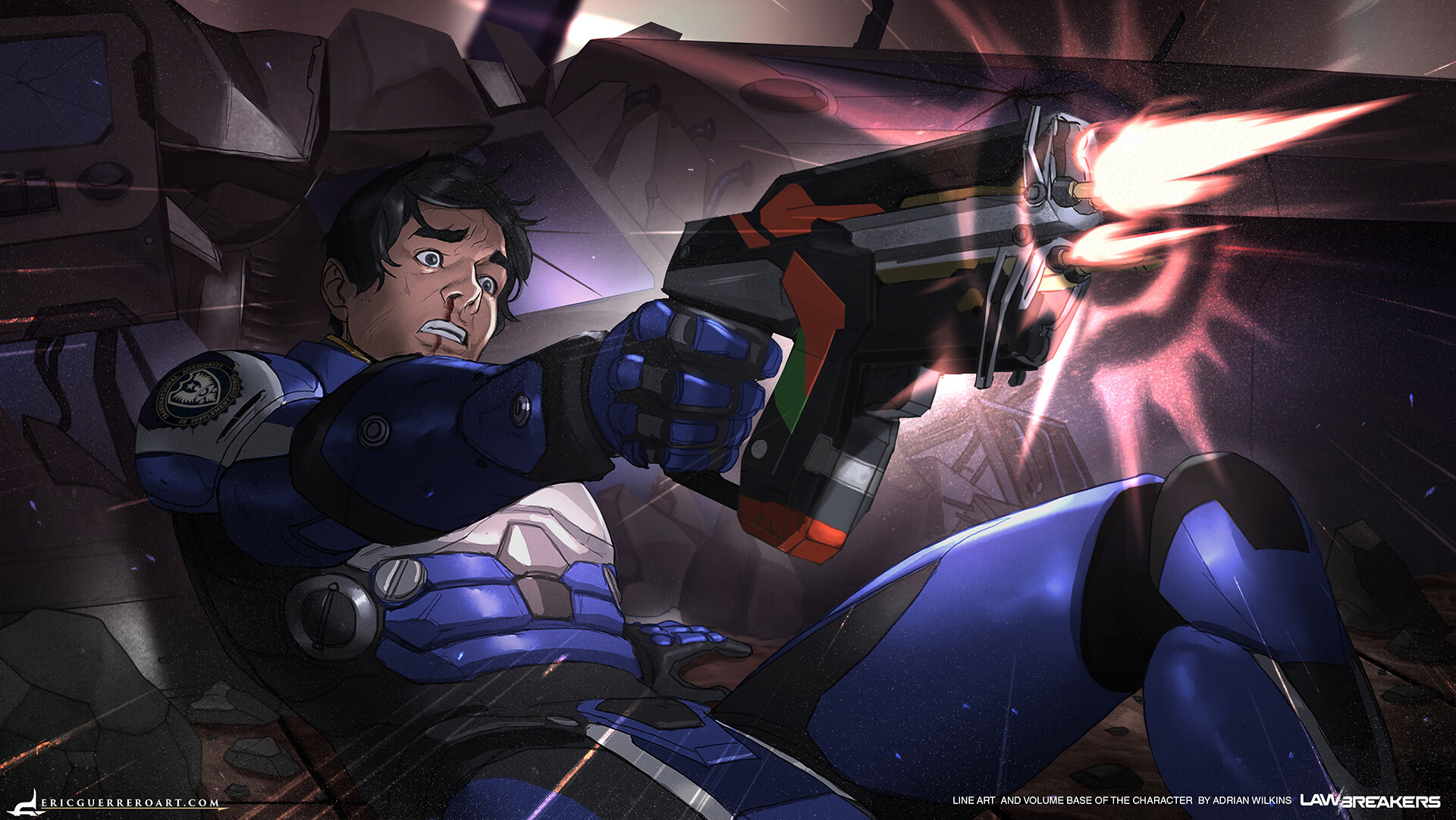
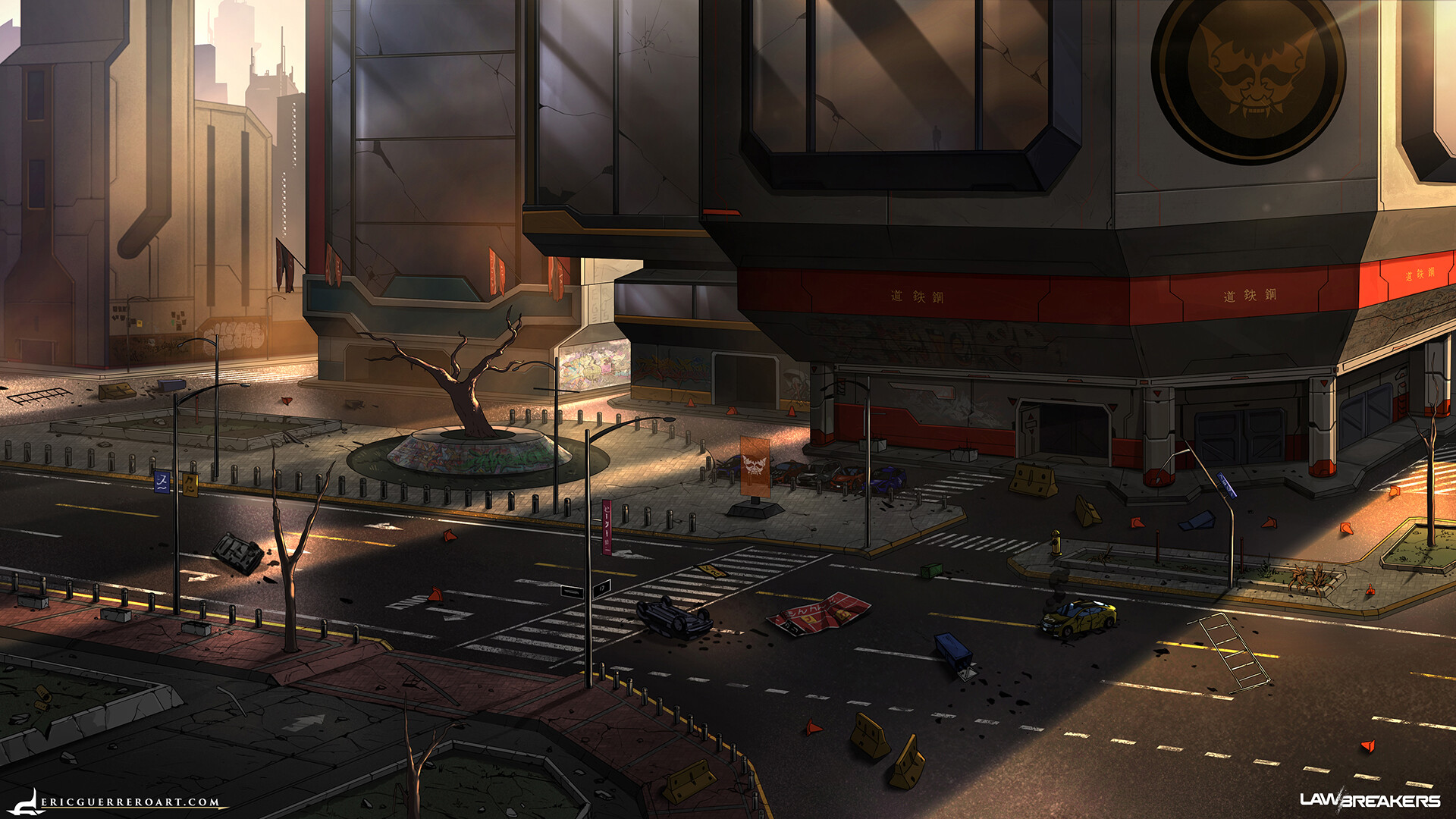
Game concept art style — semi-realistic with strong rim lighting and a deep blue-orange color palette — creates the grounded military sci-fi aesthetic of games like Mass Effect. Characters feel human even in impossible environments. Arcane's painterly cinematic approach suits dystopian and fantasy-adjacent science fiction where emotional stakes are as important as spectacle. Spider-Verse's kinetic energy and neon palette fits near-future urban stories that need momentum and attitude. The visual register you choose sets the emotional tone of your world before a word is read.
Start your sci-fi story →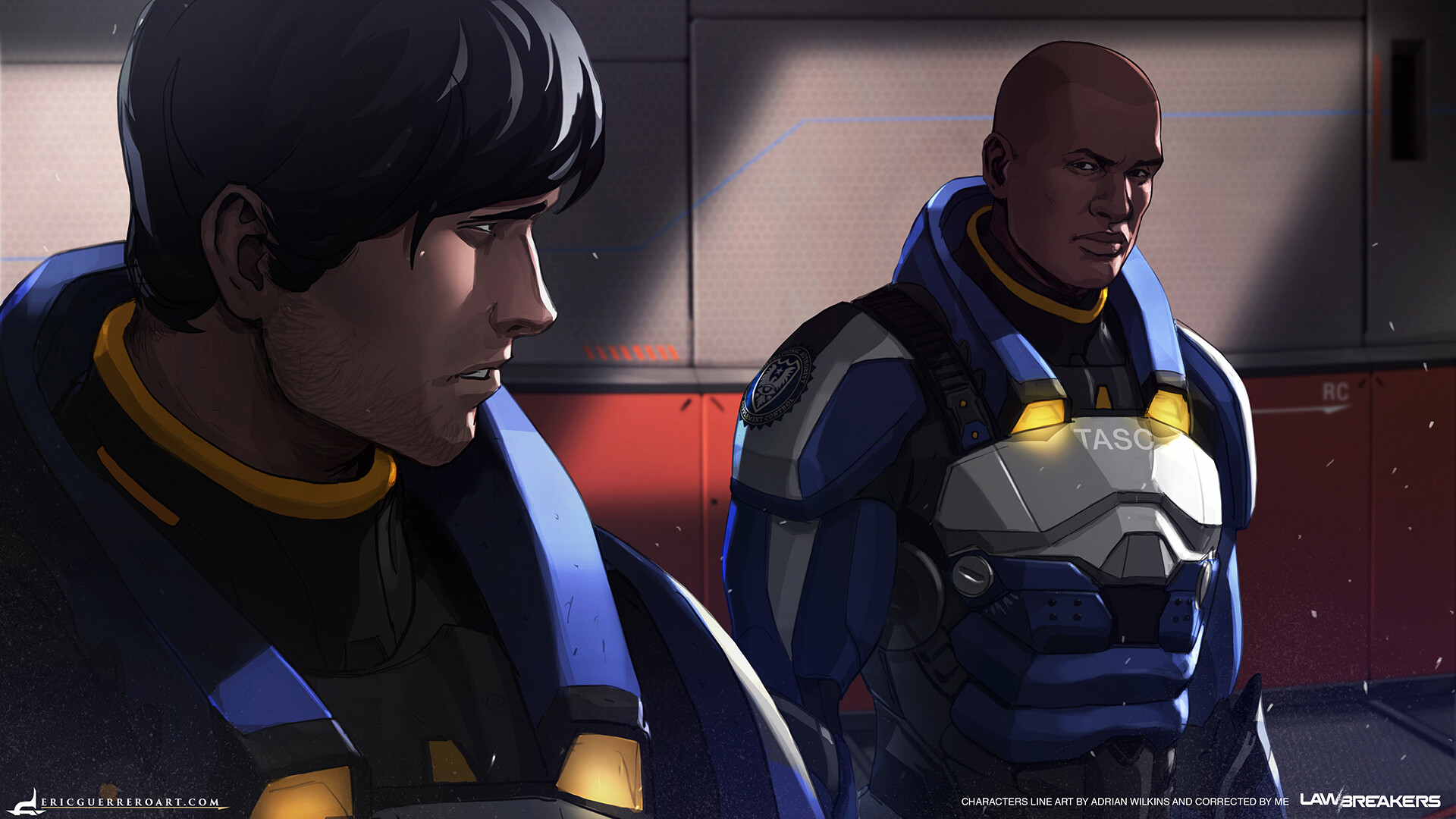
Genre Overview
Best styles
Concept Art, Arcane, Spider-Verse
Tone range
Military → Dystopian
Key challenge
Scale vs. humanity
Popular for
Epic world-building
Character Consistency
In a universe this vast, familiar faces are everything
Sci-fi stories often span enormous narrative distances — different planets, different time periods, different versions of reality. The reader needs one consistent human reference point to make that journey feel coherent. When the protagonist's face shifts between panels, the vast setting swallows them — they stop being a character and become a figure in a concept art piece. YarnSaga keeps your human anchor locked while the universe changes around them — the same face in the colony ship, on the alien planet, in the battle that decides everything.
Best Art Styles for Sci-Fi
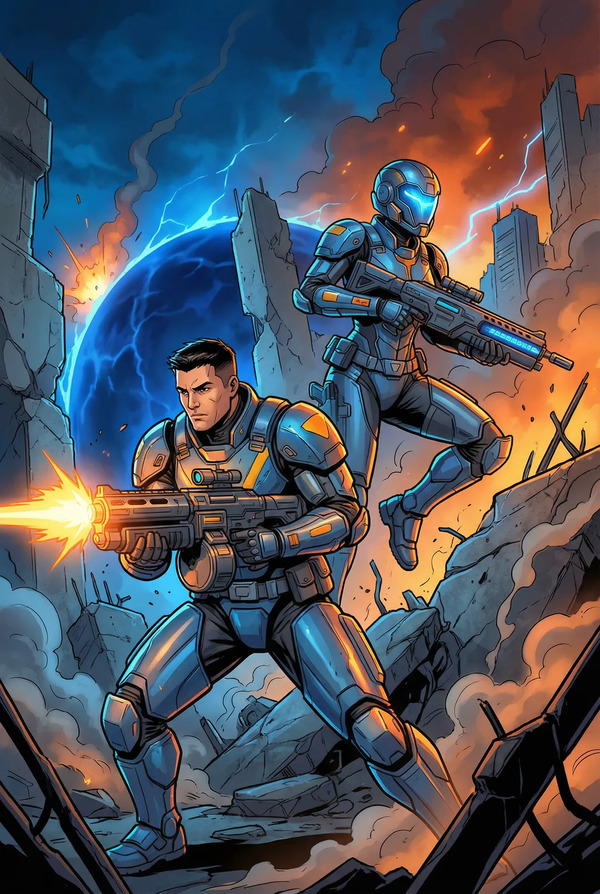
Game Concept Art
Cinematic lighting, strong proportions, and a deep blue-orange palette — the visual language of grounded hard sci-fi.
View style →
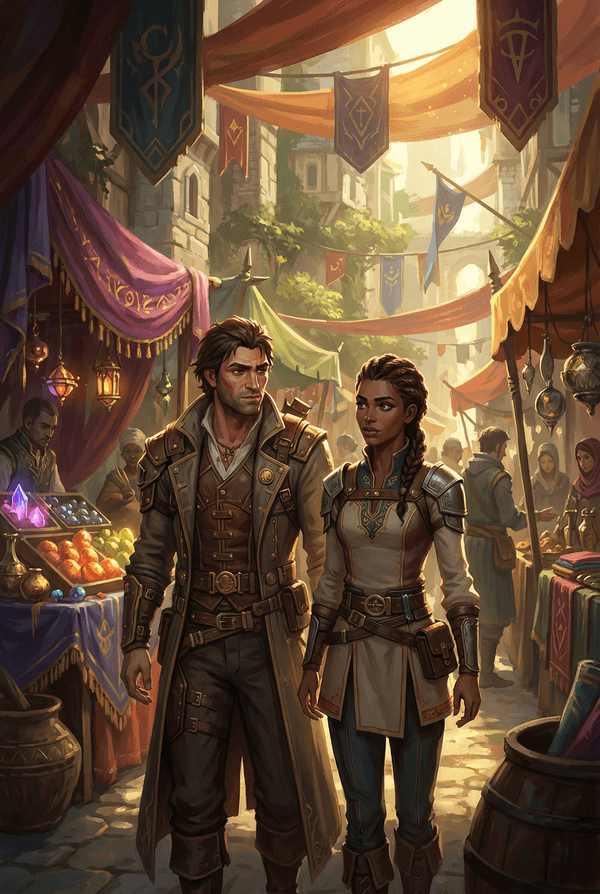
Arcane / Cinematic Animation
Painterly drama and emotional depth for dystopian science fiction where personal stakes are as large as the cosmic ones.
View style →
Ready?
Start your sci-fi story.
YarnSaga generates consistent, publication-ready panels in any style — same characters, every scene, every page. Credit packs from $6.