Genre
Supernatural Comics
The space between what can be explained and what can't.
Supernatural stories live in the gap between the explicable and the impossible — and the best ones keep you half-believing that what you're reading might be real. The genre requires a specific visual trick: the ordinary world rendered in enough detail that when something wrong enters it, the wrongness registers immediately. The impossible only works against a credible backdrop.
When the uncanny meets the human
From the folklore-rooted horror of Mike Mignola's Hellboy to the mythological grandeur of Neil Gaiman's Sandman, supernatural comics blend the familiar and the uncanny. The most effective supernatural stories ground their impossible elements in recognizable human emotion — the ghost wants something, the demon has a code, the magic comes at a cost that feels real. What separates supernatural fiction from pure fantasy is that it insists on operating in our world, with our rules, until it doesn't.
Style as the bridge between worlds
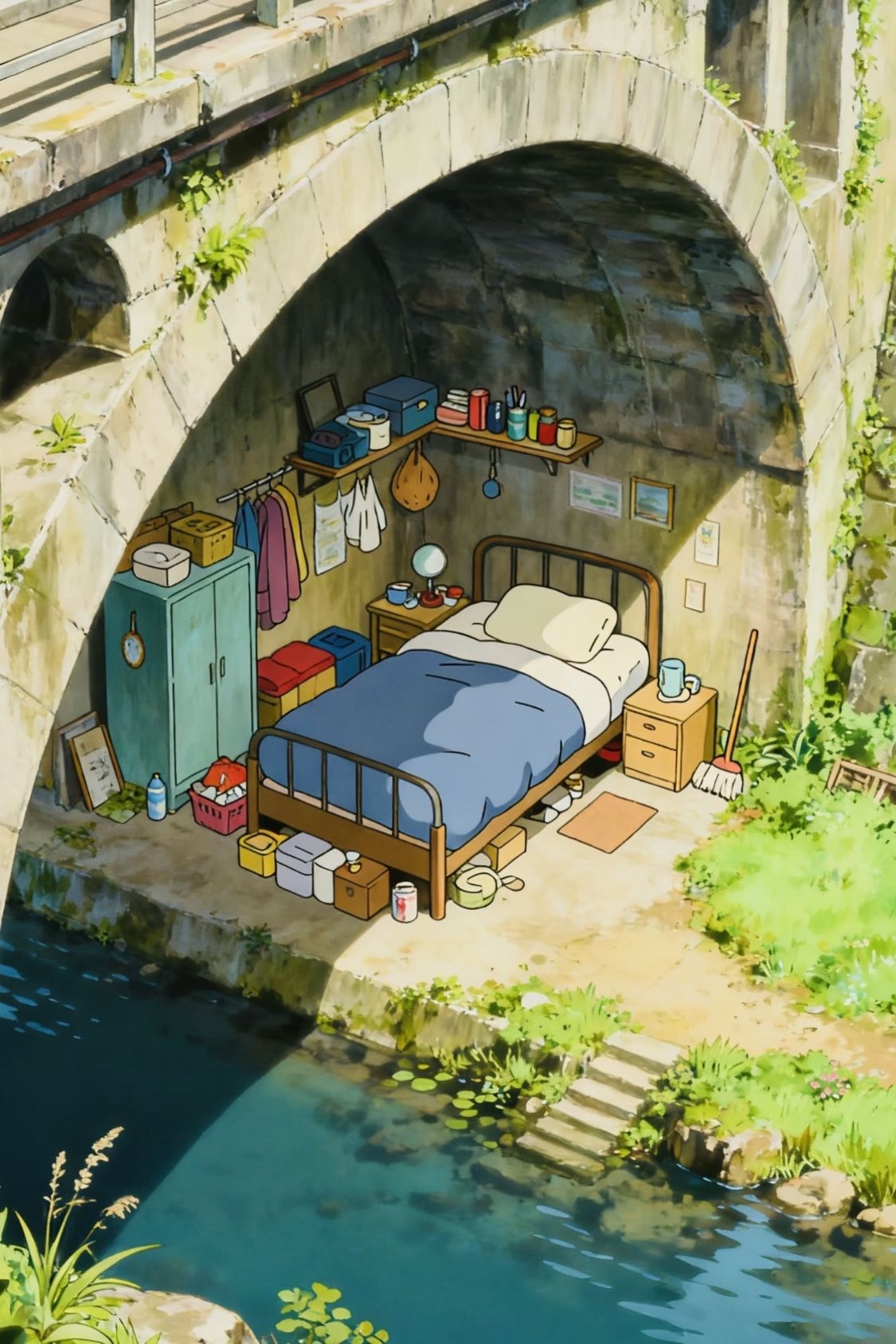
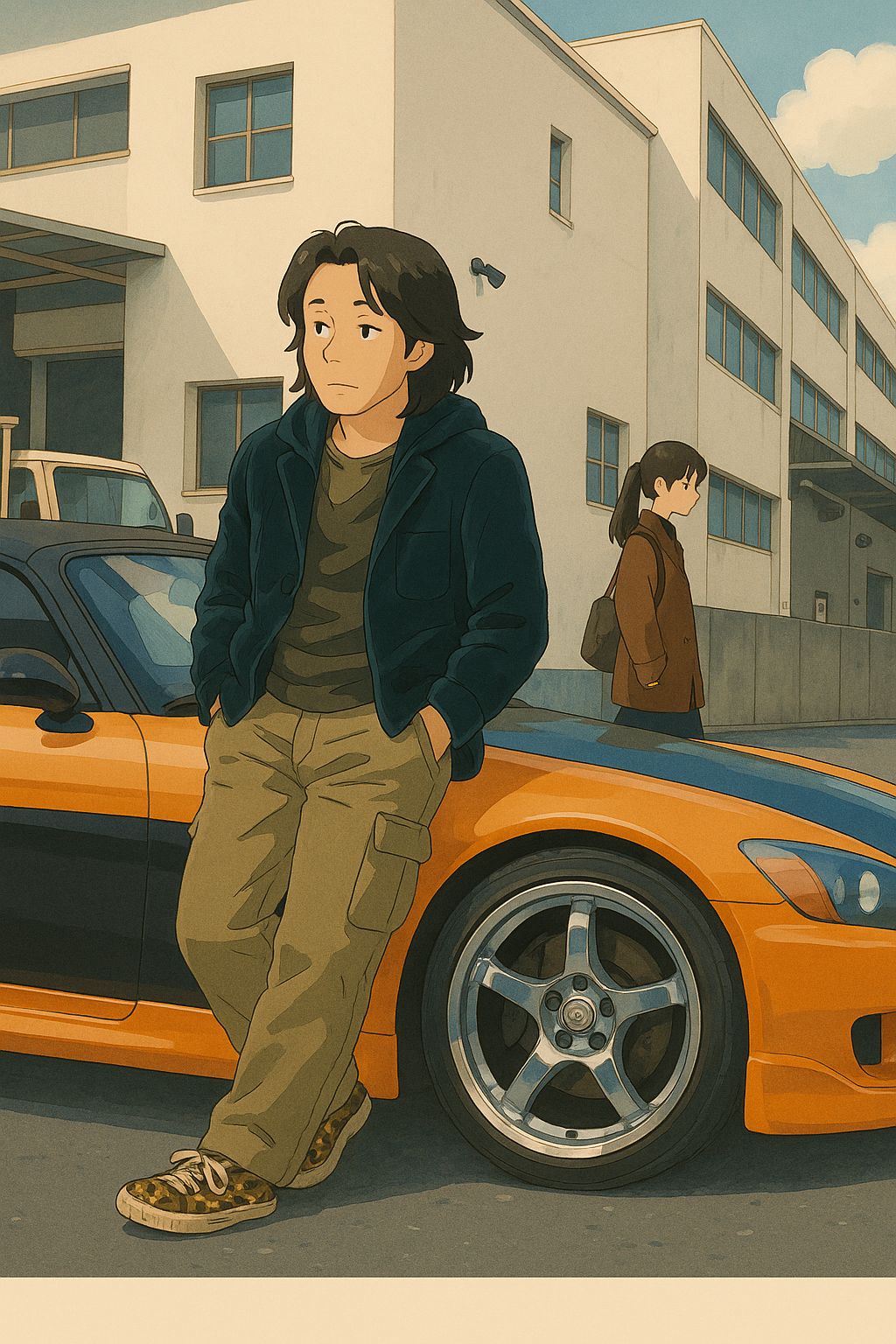
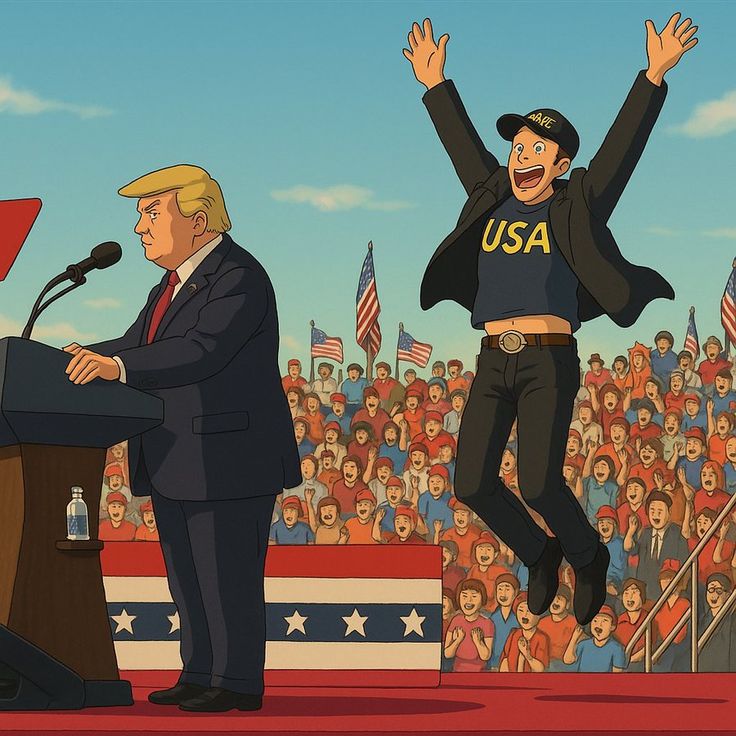
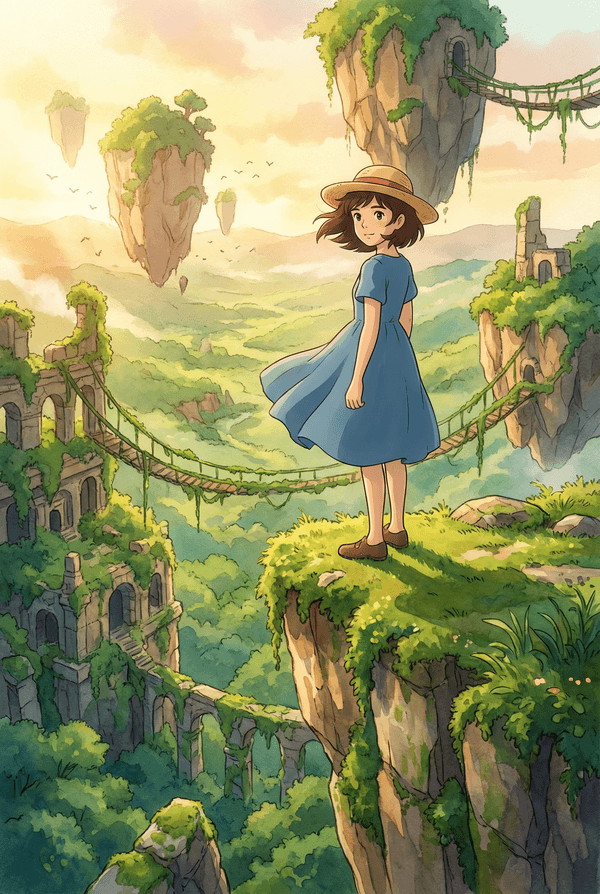
Horror and Gothic pen-and-ink style creates the visual atmosphere where the supernatural feels genuinely threatening — the dense shadows and scratchy linework suggest that something is always hiding in the margins. Studio Ghibli's warm painterly approach suits supernatural stories where magic is beautiful rather than threatening — forest spirits, gentle hauntings, the benevolent uncanny. Ink wash holds the productive ambiguity between what's real and what isn't — the pooling black ink that could be shadow or something else entirely.
Start your supernatural story →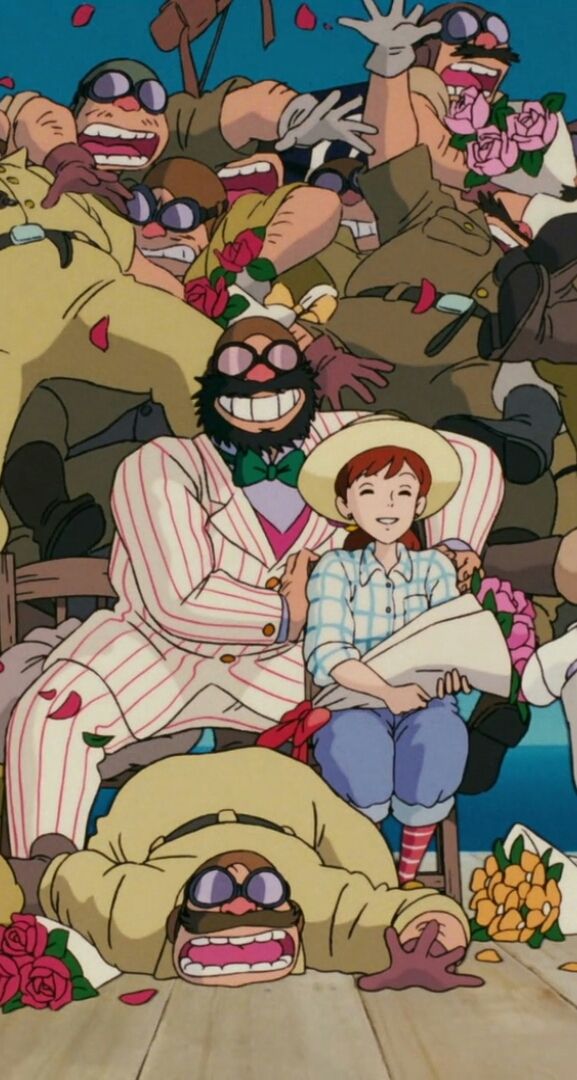
Genre Overview
Best styles
Gothic, Ghibli, Ink Wash
Tone range
Eerie → Magical
Key challenge
Rules of the uncanny
Popular for
Short stories and series
Character Consistency
The supernatural element must look and behave consistently to be believable
For the impossible to feel real, it has to follow rules — and those rules have to be visually consistent. A ghost that looks different every time it appears isn't haunting the protagonist; it's just a visual anomaly. A magical creature whose design shifts from scene to scene loses the specific wrongness that made it uncanny. YarnSaga keeps both your human characters and your supernatural elements visually consistent — so the impossible can feel inevitable rather than random.
Ready?
Start your supernatural story.
YarnSaga generates consistent, publication-ready panels in any style — same characters, every scene, every page. Credit packs from $6.