Art Style
Chibi / Kawaii Comic Style
Tiny characters, maximum cuteness
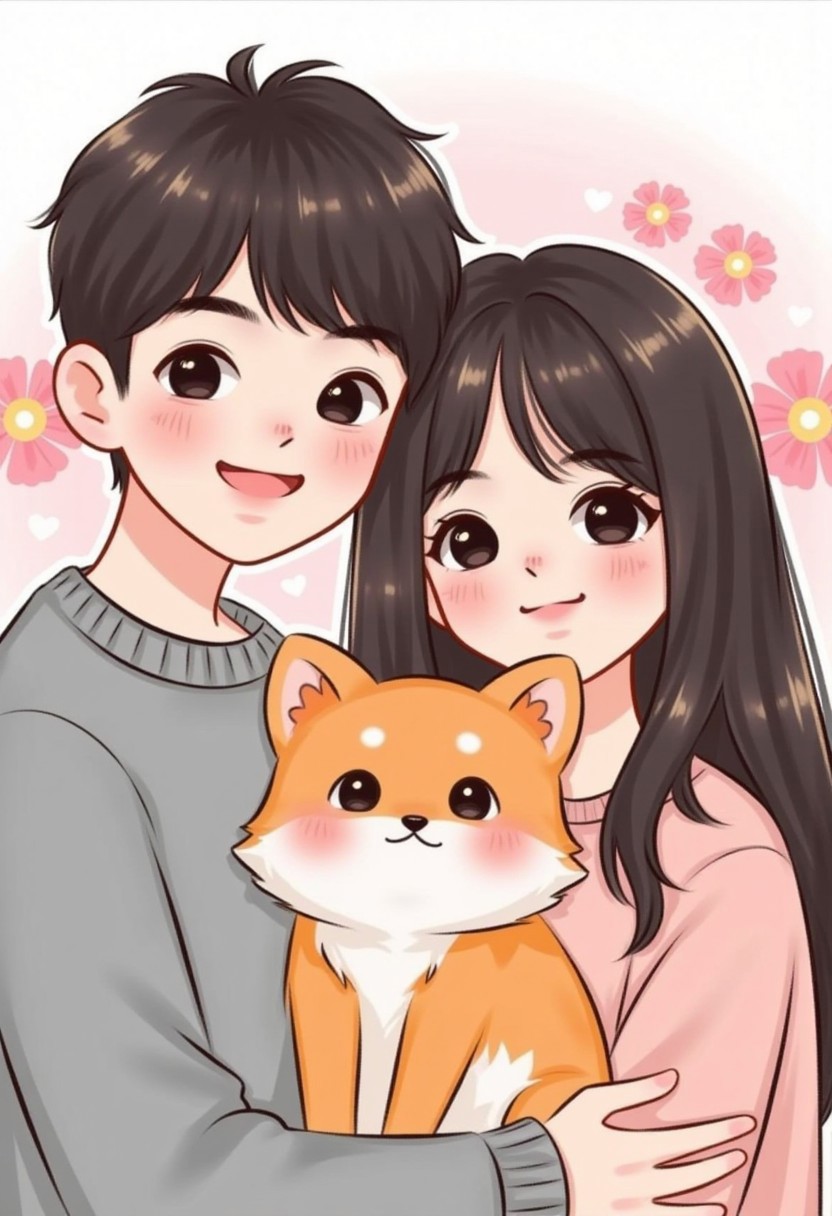
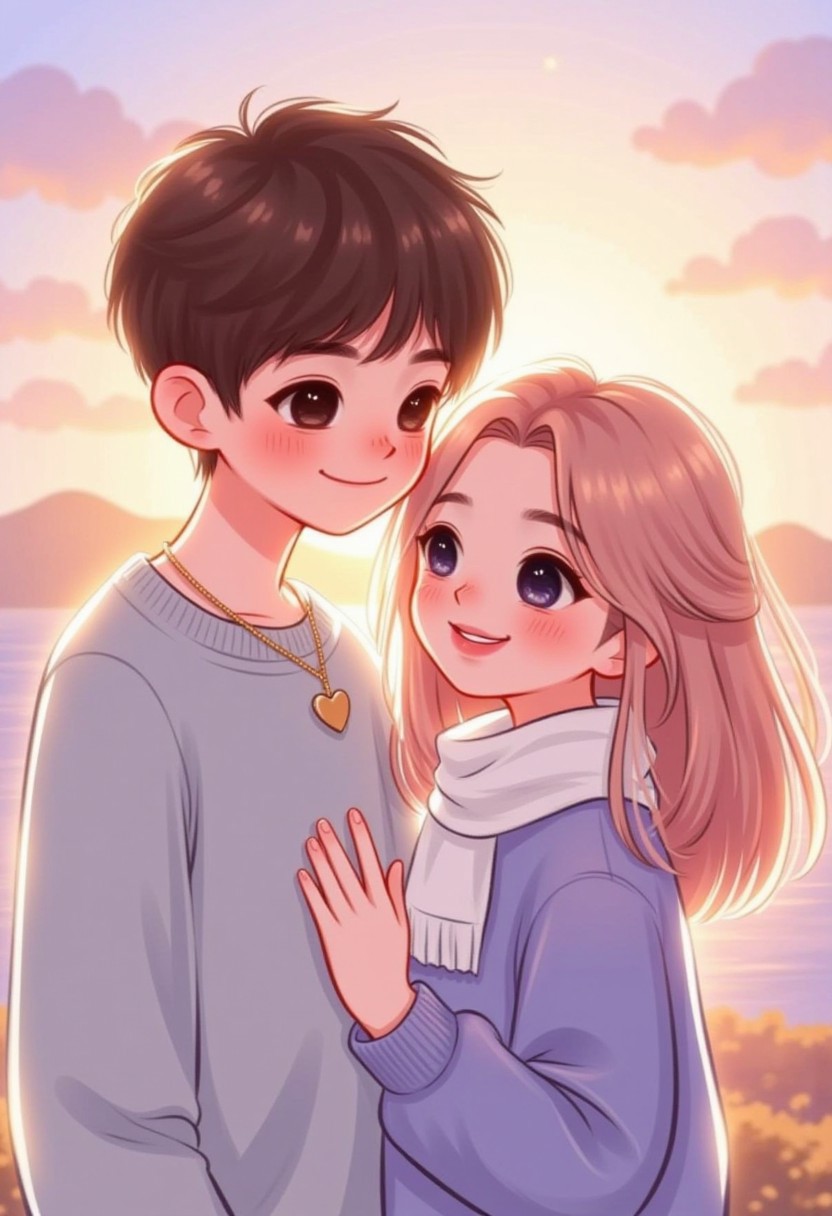
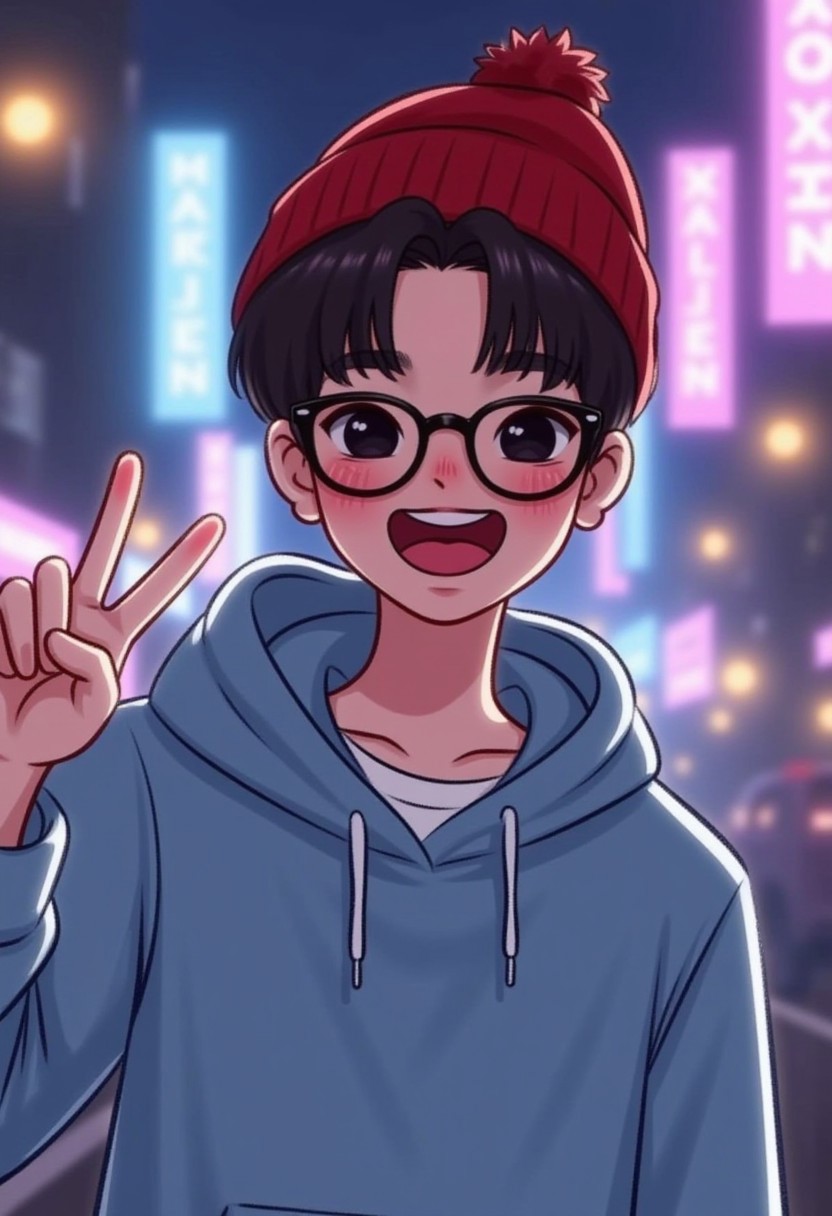
Chibi and Kawaii illustration takes the most adorable elements of anime and distills them into their purest form: oversized heads, tiny bodies, and eyes that could melt glaciers. This style transforms any story into an irresistibly wholesome experience.
The kawaii culture behind chibi
The word "kawaii" (可愛い, meaning cute or lovable) became a cultural movement in Japan during the 1970s and 80s, driven by schoolgirls who began writing in rounded childlike scripts and decorating their notebooks with cute characters. Sanrio's Hello Kitty, launched in 1974, became the global ambassador of kawaii aesthetics. Chibi (meaning small or tiny in Japanese) as an art style emerged from manga when artists drew their characters in exaggerated miniature form to express strong emotions or comic relief — the "super-deformed" look that became its own beloved genre.
Small size, big emotion
What chibi style sacrifices in realism it more than compensates for in emotional immediacy. The enormous eyes — often taking up nearly half the face — are capable of conveying a stunning range of feeling: pure joy, devastating sadness, overwhelming embarrassment, or sparkling excitement. The simplified body proportions remove any sense of physical threat or tension, making this the perfect style for wholesome stories, comedy, and any narrative where warmth and charm should be front and center.
Chibi vs kawaii: what's the difference?
People use chibi and kawaii interchangeably, but they mean different things. Kawaii (可愛い) is a broad Japanese cultural aesthetic — a philosophy of cuteness that encompasses fashion, product design, mascots, and art. It's a quality that things can have. Chibi (ちび) is a specific visual style: the super-deformed art technique where characters are drawn with oversized heads (often 1:1 or 1:2 head-to-body ratio), tiny limbs, and simplified facial features. Chibi is one expression of kawaii aesthetics — the most recognizable one in manga and anime. Something can be kawaii without being chibi (a Hello Kitty plushie, a pastel-colored café), but in comics, chibi is the go-to art style for delivering maximum kawaii impact. When you choose the Chibi / Kawaii style in YarnSaga, you're getting the full chibi treatment: the exaggerated proportions, the enormous expressive eyes, and the wholesome charm that makes readers want to protect every character they meet.
Create a story in this style →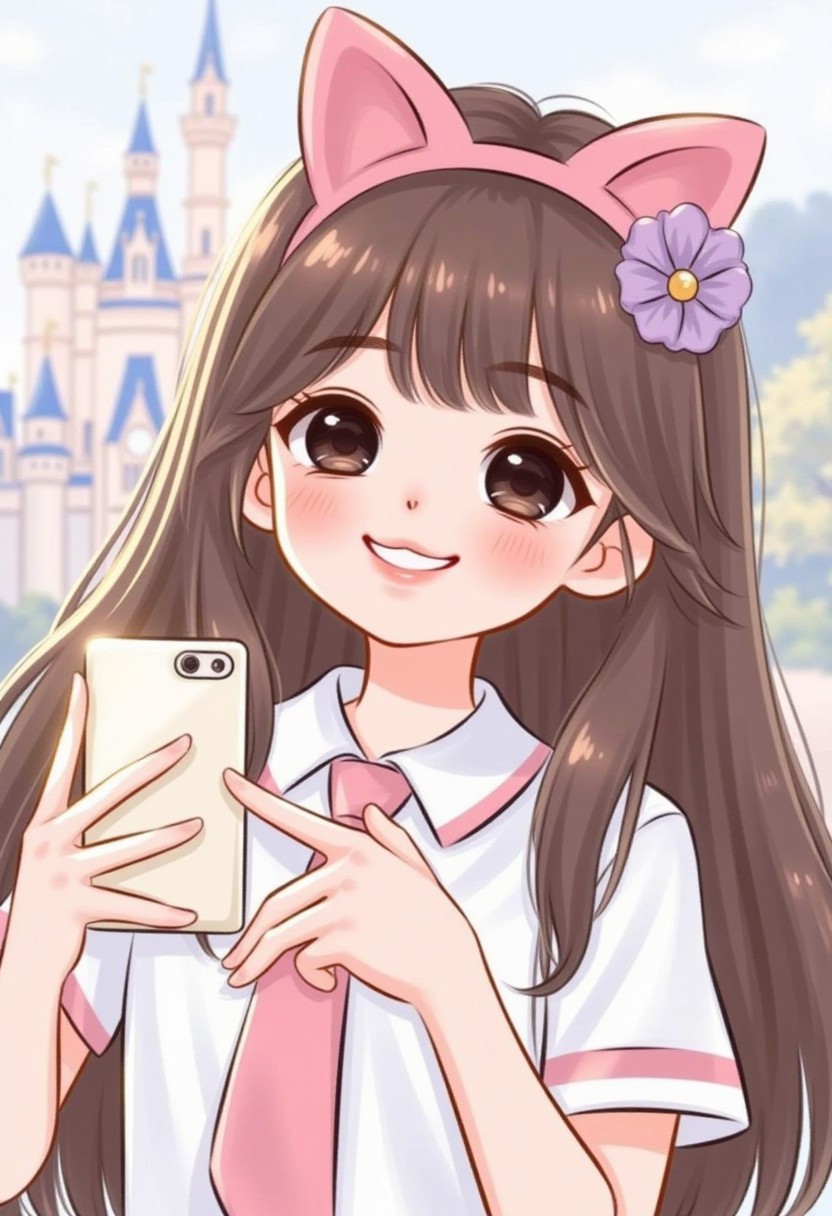
Style Characteristics
Origin
1970s Japan
Best for
Comedy, Romance, Fantasy
Mood
Cute, Wholesome
Complexity
Medium
Ready?
Start your story
in Chibi / Kawaii.
YarnSaga generates consistent, publication-ready panels in this style — across every character, every scene, every page. Credit packs from $6.