Art Style
Ink Wash / Brush Comic Style
Gestural, poetic, and brutally expressive
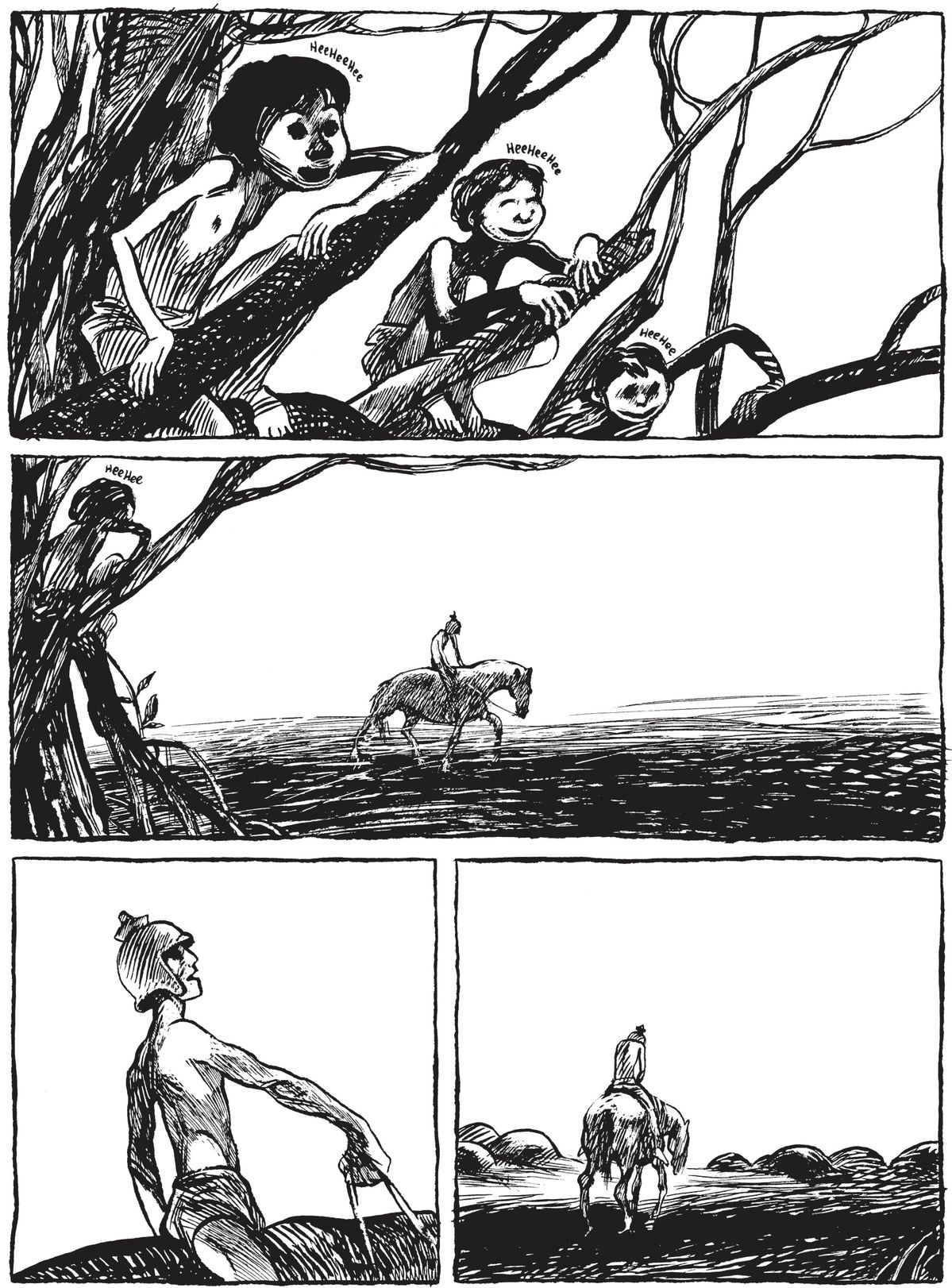
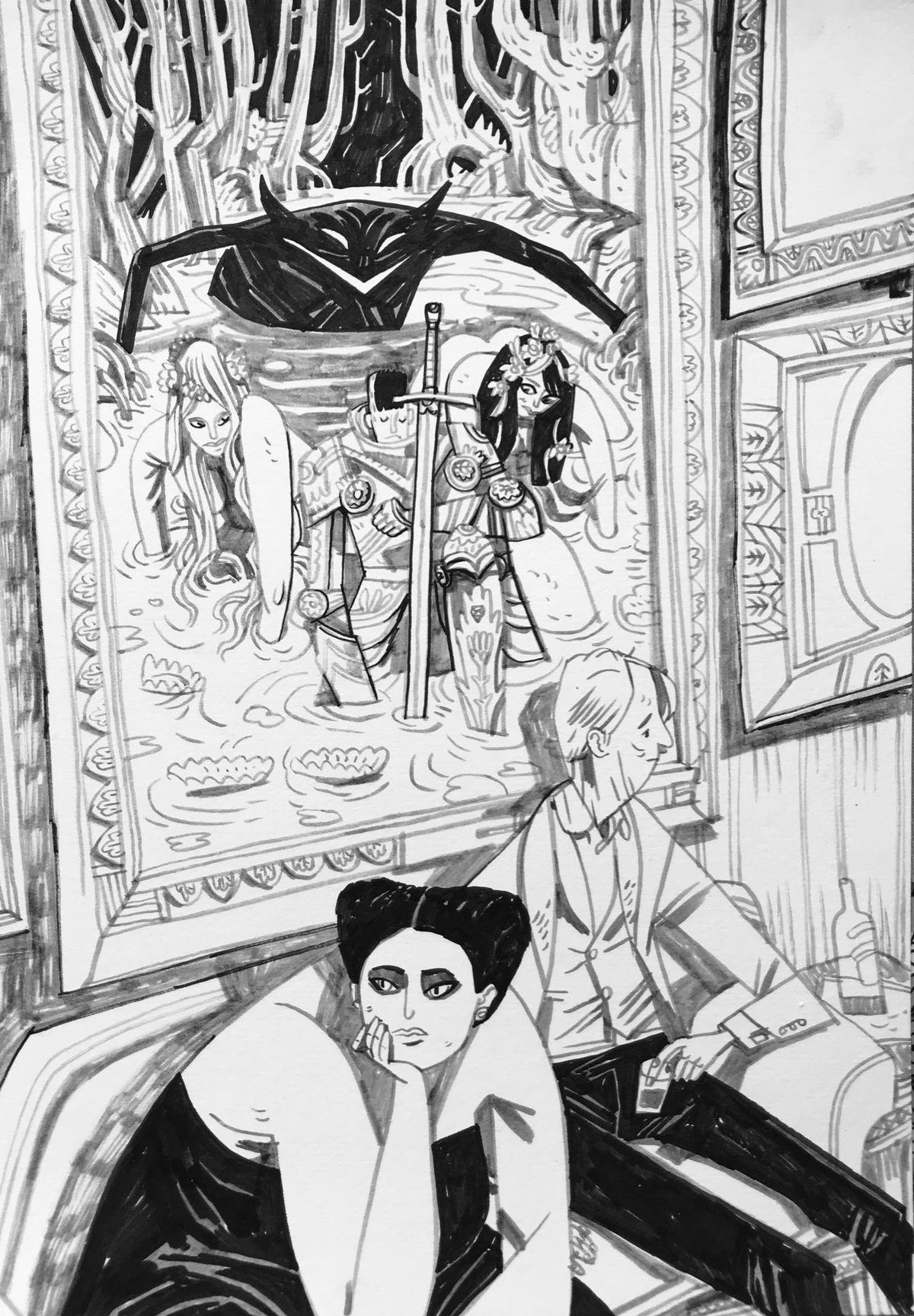
Ink wash and brush comics draw from a millennia-old East Asian artistic tradition and fuse it with the structural language of sequential art. The result is a style of extraordinary atmosphere: loose brushwork and dramatic washes of grey create images that feel less like illustrations and more like memories.
From sumi-e to sequential art
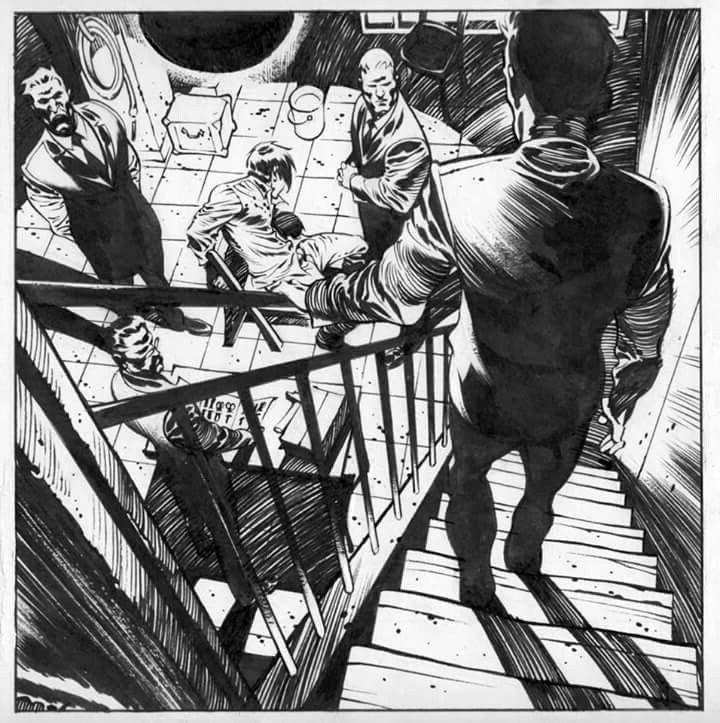
Sumi-e, the Japanese art of ink wash painting, has been practiced since the 14th century, emphasizing economy of stroke, the beauty of negative space, and the expressive potential of a single brushmark. Western artists discovered these principles through the Japonisme movement of the 19th century, and they filtered into comics through artists like Will Eisner, who used bold ink washes to create the moody atmosphere of The Spirit, and European masters like Moebius, whose loose brushwork gave even science fiction a quality of hand-made beauty.
The power of what isn't drawn
Ink wash brush style is unique among comic art forms in its mastery of negative space. A figure rendered in a few confident brushstrokes against a vast white page can be more powerful than a densely detailed illustration. The varying grey tones of the wash create atmospheric depth — fog, rain, distance, time — without a single descriptive line. This style suits literary, contemplative, and emotionally complex stories where mood and atmosphere matter as much as plot.
Create a story in this style →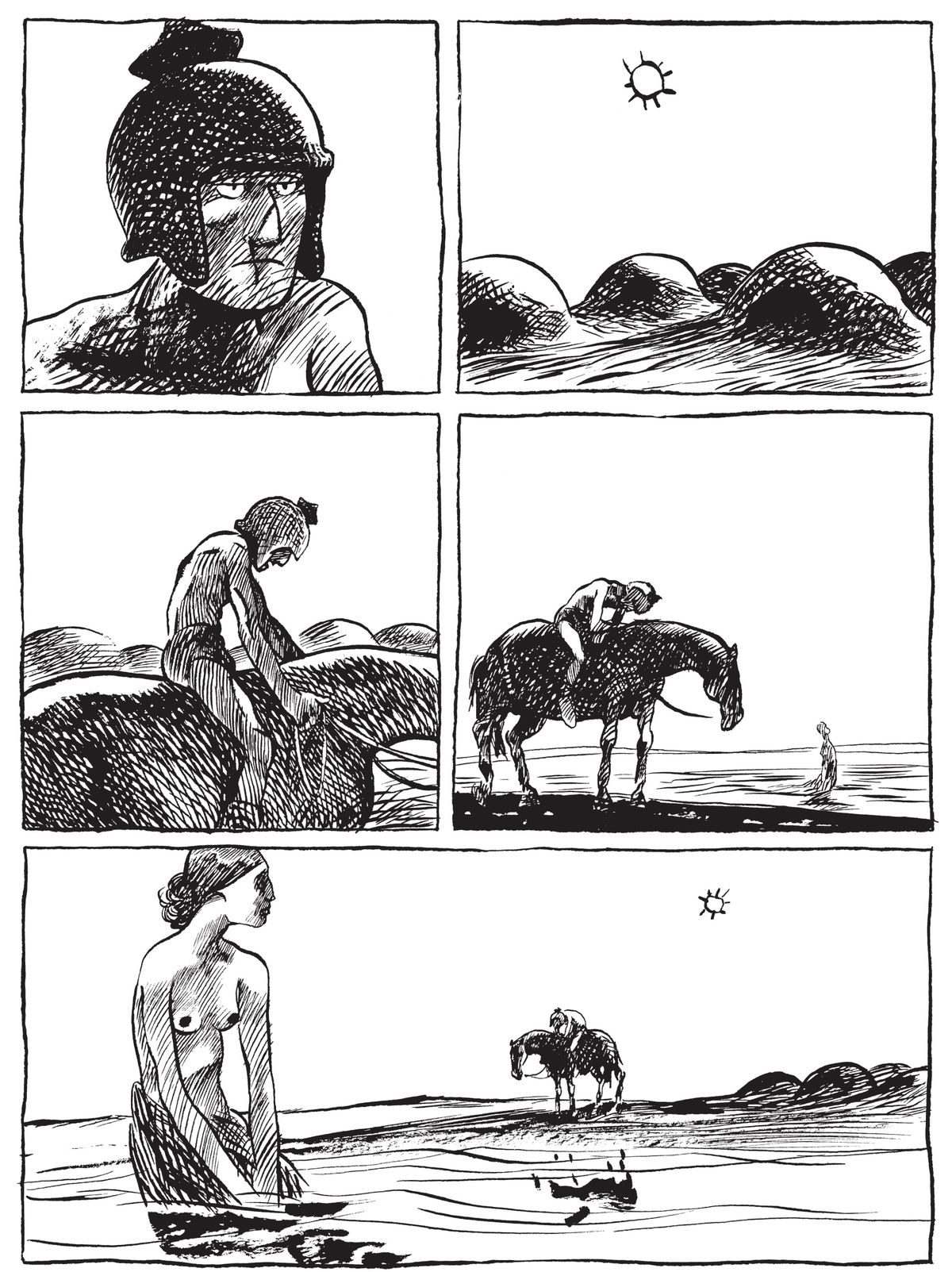
Style Characteristics
Origin
14th century Asia
Best for
Drama, Literary, Historical
Mood
Atmospheric, Poetic
Complexity
Medium
Ready?
Start your story
in Ink Wash / Brush.
YarnSaga generates consistent, publication-ready panels in this style — across every character, every scene, every page. Credit packs from $6.