Art Style
Modern Cinematic Comic Style
The blockbuster look, panel by panel
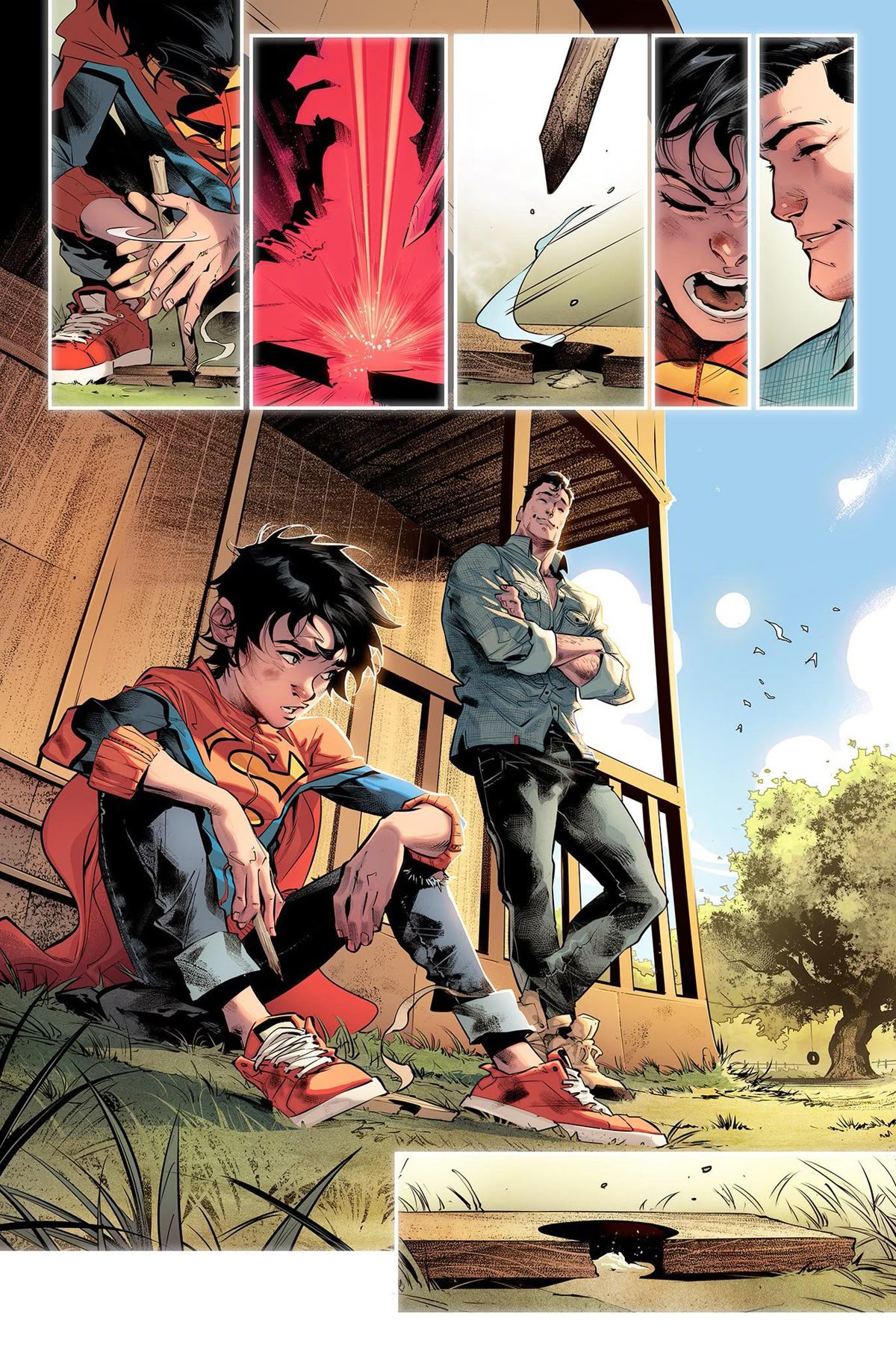
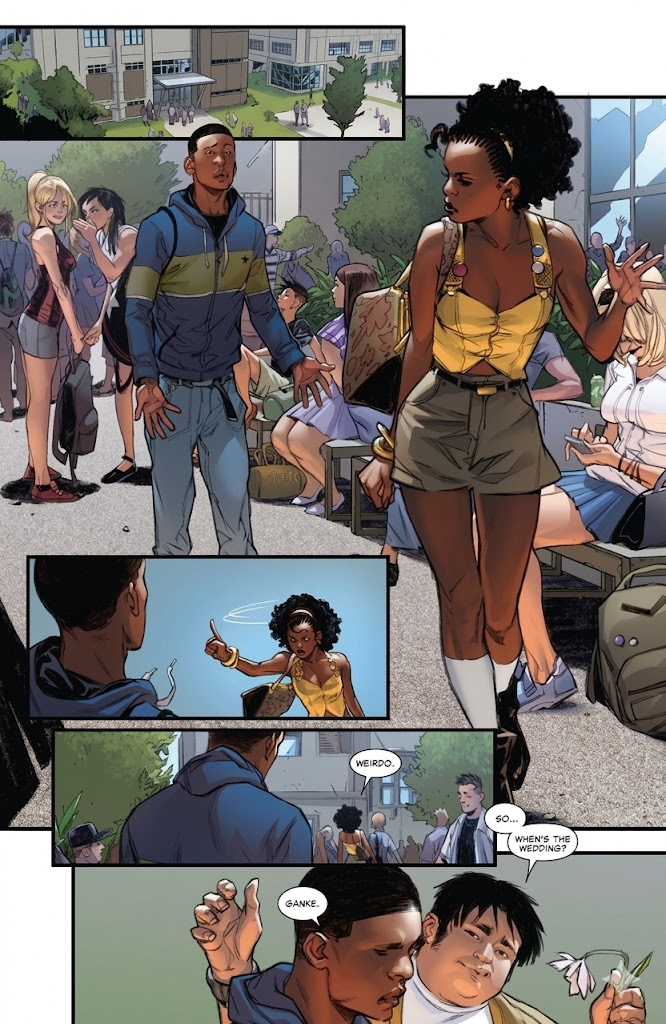
Modern cinematic comic art represents the state of the art in contemporary graphic storytelling. Painterly backgrounds, photorealistic lighting, and semi-realistic character rendering create pages that feel like stills from a film that hasn't been made yet — and probably should be.
When comics learned from cinema
The modern cinematic style emerged in the late 1990s and 2000s as digital painting tools allowed comic artists to incorporate techniques previously only available to concept artists and illustrators. Artists like Alex Ross pioneered painted photorealism in comics with Marvels and Kingdom Come, while writers like Brian Michael Bendis pushed for more naturalistic, dialogue-driven storytelling that demanded equally naturalistic art. The result was a new aesthetic that drew as much from film production design as from comic tradition — atmospheric lighting, careful location design, and the kind of visual texture that rewards reading on a large format page.
Visual storytelling at cinema quality
What defines modern cinematic comic art is its commitment to environmental storytelling. Every background tells a story — the coffee cups and case files in a detective's office, the graffiti and cracked concrete of an urban street, the golden light of late afternoon filtering through an apartment window. Characters are rendered with enough realism to convey subtle emotion — a tightened jaw, downcast eyes, the slight tension of held breath. This style is ideal for stories that take place in recognizable worlds where the details matter.
Create a story in this style →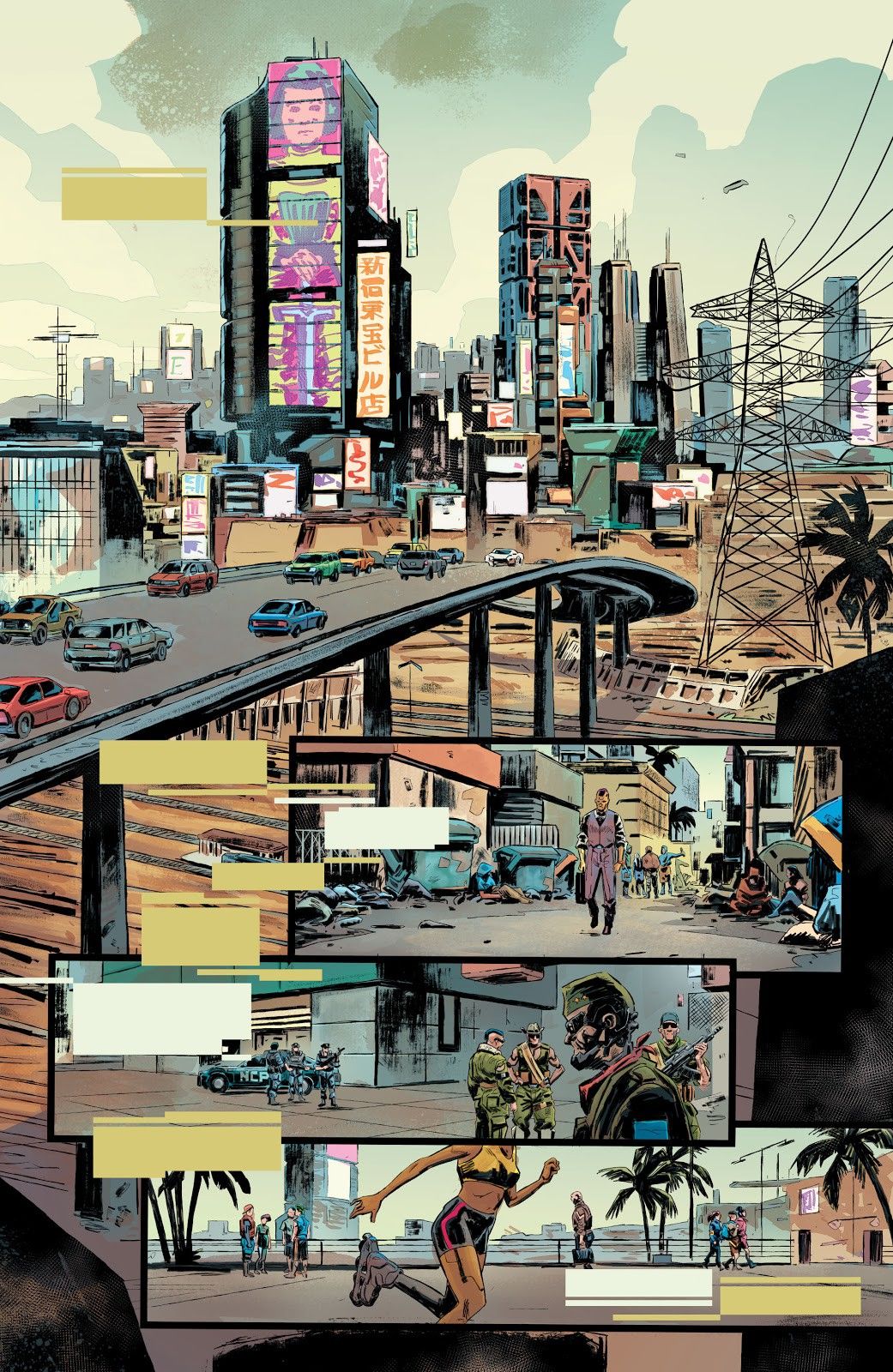
.jpg)
Style Characteristics
Origin
Late 1990s USA
Best for
Drama, Thriller, Superhero
Mood
Gritty, Cinematic
Complexity
Very High
Ready?
Start your story
in Modern Cinematic.
YarnSaga generates consistent, publication-ready panels in this style — across every character, every scene, every page. Credit packs from $6.