Art Style
Children's Book Comic Style
Gentle, warm, and full of wonder
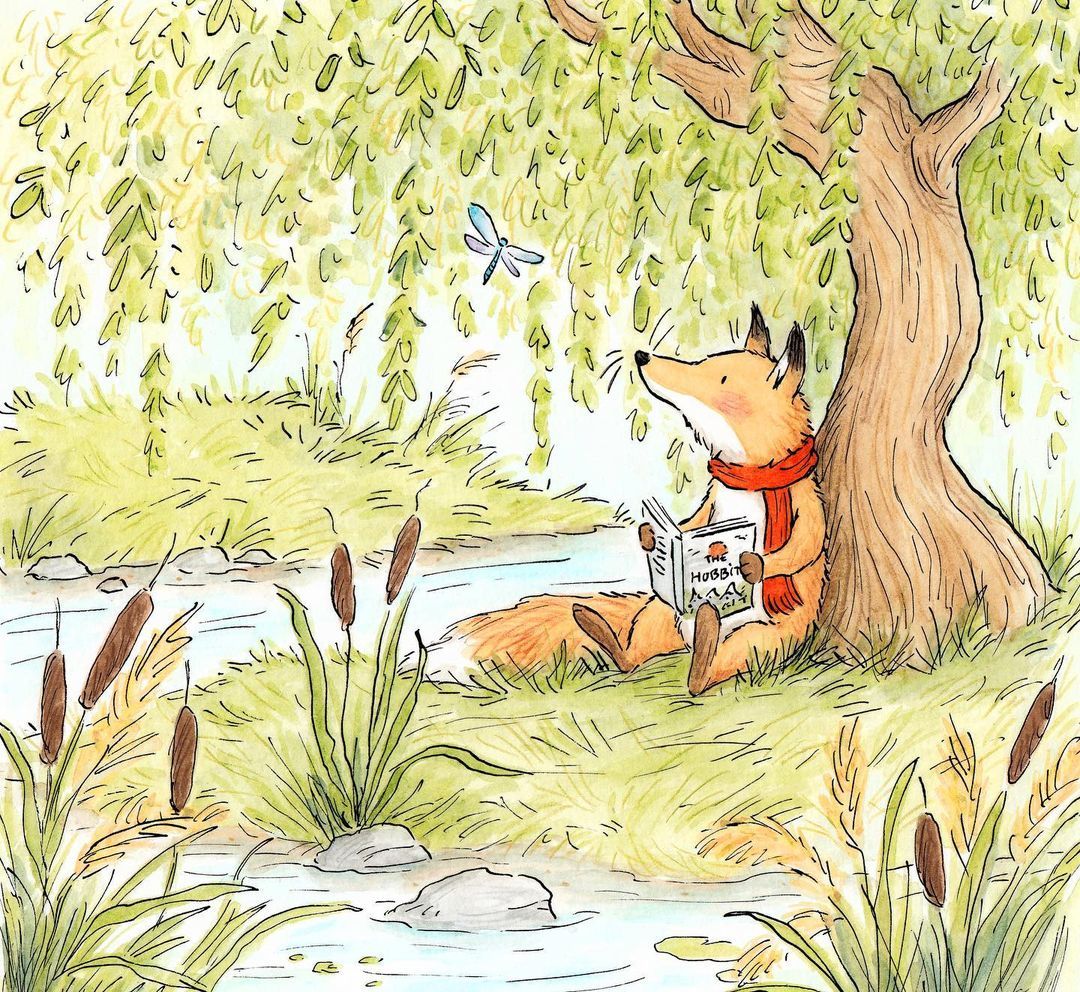
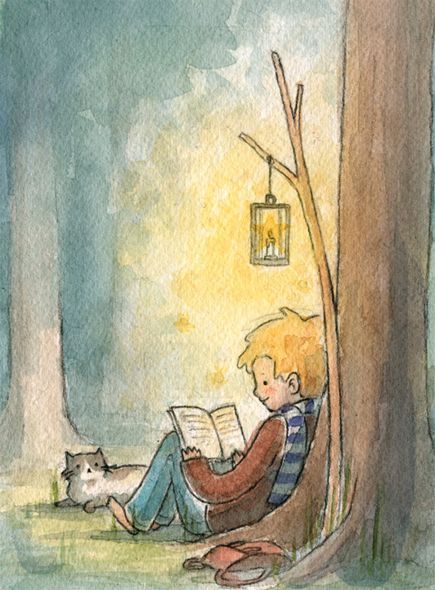
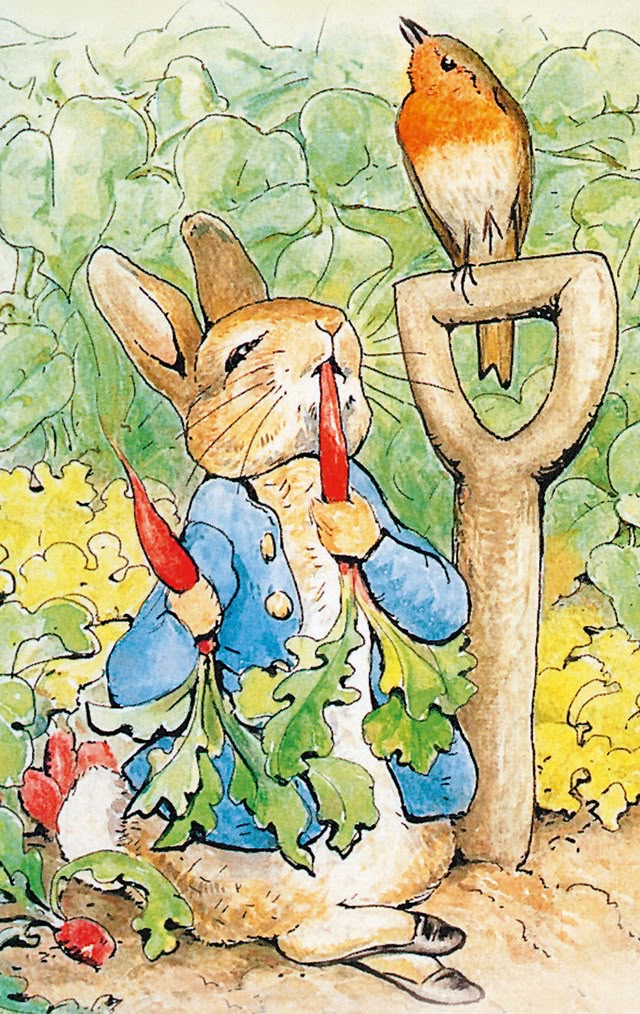
Children's book watercolor illustration is one of the most beloved art forms in the world — a style defined by softness, warmth, and the sense that magic is always just around the corner. From Beatrix Potter's Peter Rabbit to Arnold Lobel's Frog and Toad, this aesthetic has shaped how generations first experienced the joy of illustrated stories.
A tradition of wonder
The tradition of illustrated children's books stretches back to the mid-19th century, when advances in color printing made it possible to reproduce delicate watercolor paintings at scale. Randolph Caldecott, Kate Greenaway, and Beatrix Potter established the aesthetic: soft washes of color, gentle ink outlines, and compositions that invited young readers to linger and look. Through the 20th century, artists like Maurice Sendak, Quentin Blake, and Tove Jansson each brought their own vision to the form, but all shared the essential quality of warmth — a sense that the world of the illustration is a safe and beautiful place.
Why softness is a strength
The watercolor children's book style works because its visual softness mirrors the emotional openness of its audience. Transparent washes allow previous layers to show through, creating a luminosity that opaque paint can't match. The slight unpredictability of watercolor — the blooms, the bleeds, the texture of the paper showing through — gives illustrations a handmade quality that readers of all ages find deeply reassuring. It's a style that says: this story was made with care, and care is waiting for you inside.
Create a story in this style →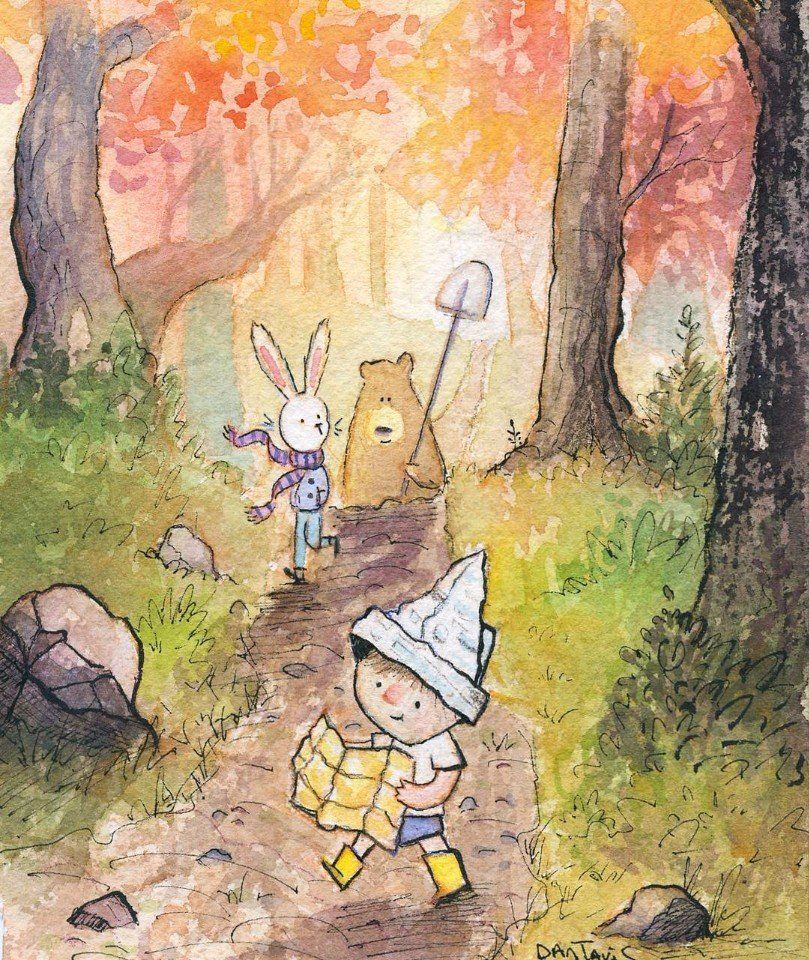
Style Characteristics
Origin
1850s Britain
Best for
Family, Fantasy, Adventure
Mood
Warm, Whimsical
Complexity
Medium
Ready?
Start your story
in Children's Book.
YarnSaga generates consistent, publication-ready panels in this style — across every character, every scene, every page. Credit packs from $6.