Art Style
Horror / Gothic Comic Style
Darkness rendered in meticulous detail
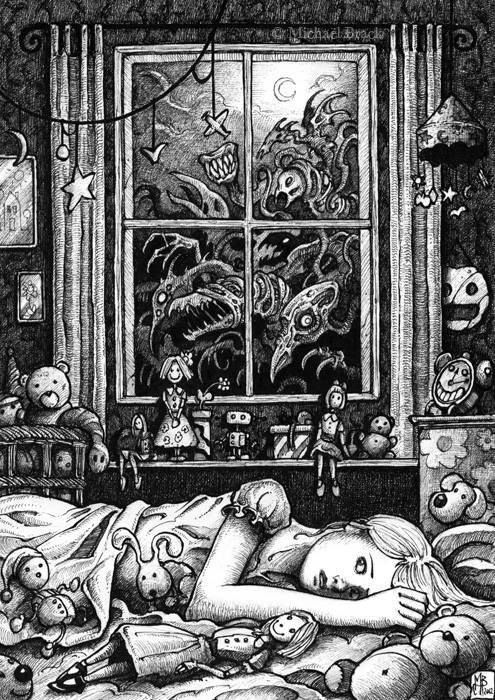
Gothic horror illustration is the art of beautiful dread. Dense crosshatching, deep shadows, and an obsessive attention to architectural decay create images that are as visually rich as they are deeply unsettling. This is the style of Edward Gorey, Charles Addams, and EC Comics — where terror comes wrapped in exquisite craft.
A tradition of beautiful darkness
Gothic horror in illustration traces its roots to the woodcut frontispieces of 18th-century Gothic novels and the engravings of Gustave Doré, whose monumental illustrated Dante's Inferno established a visual language for supernatural horror. In comics, EC Comics titles like Tales from the Crypt (1950–55) brought this tradition to mass audiences with lurid, expertly crafted horror stories. Later, Edward Gorey elevated the gothic aesthetic to high art with his meticulously crosshatched vignettes of Victorian gloom, proving that darkness could be both terrifying and beautiful.
The craft of atmospheric dread
What makes gothic horror illustration so effective is its craft. The dense crosshatching that fills shadows isn't just black space — it's thousands of individual marks, each one adding texture and weight. This labor-intensive technique communicates that the darkness in these images was constructed with care, which paradoxically makes it more frightening than a simple black fill. The Victorian and Edwardian architectural settings — decaying mansions, fog-wrapped graveyards, candlelit libraries — create a sense of history and entropy, suggesting that the horror has been present for a very long time.
Create a story in this style →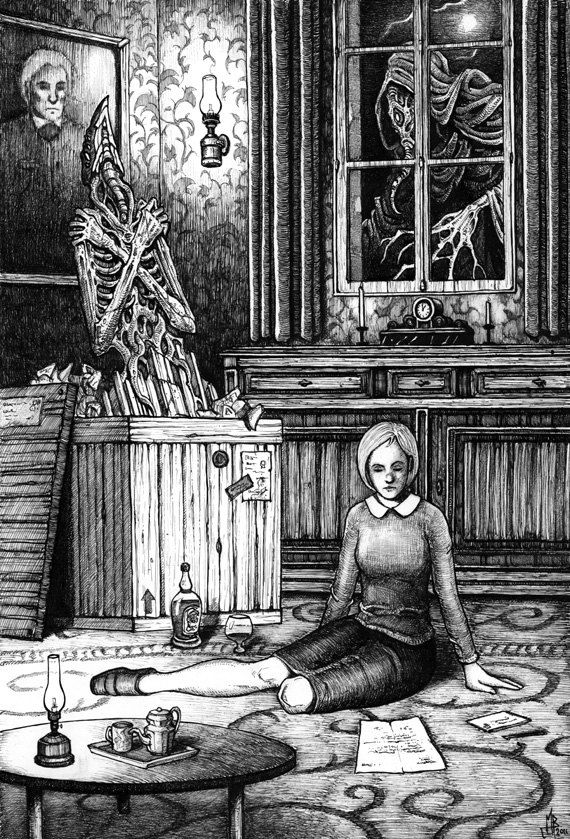
.jpg)
.jpg)
Style Characteristics
Origin
18th century Europe
Best for
Horror, Mystery, Supernatural
Mood
Dark, Eerie
Complexity
High
Ready?
Start your story
in Horror / Gothic.
YarnSaga generates consistent, publication-ready panels in this style — across every character, every scene, every page. Credit packs from $6.