How to Choose the Right Art Style for Your Comic (A Genre-by-Genre Guide)
April 19, 2026 · 9 min read
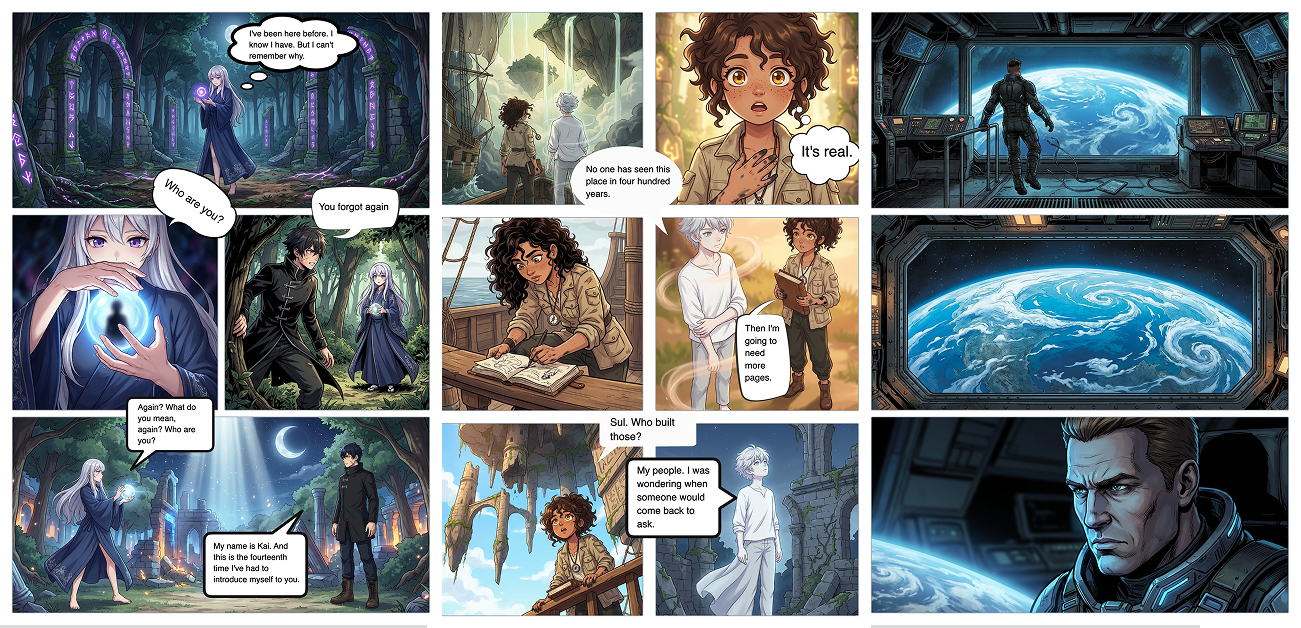
The single biggest decision you'll make for your comic isn't the plot. It isn't the characters. It's the art style — because the art style shapes how every other element is perceived. The same story told in a manga style and a noir style lands completely differently. The emotion, the pacing, the reader's gut reaction to the first page — the art style sets all of that before anyone reads a word of dialogue.
Choosing wrong isn't catastrophic — plenty of great comics have unconventional style-genre pairings. But choosing deliberately, for the right reasons, gives your story an immediate coherence that readers feel even if they can't articulate why.
Here's how to think through the decision.
Start with Tone, Not Genre
Most creators think about art style in terms of genre: "It's a fantasy, so I should use manga." But genre and tone aren't the same thing, and tone is actually what the art style needs to match.
Ask yourself: how should the reader feel on page one? Not what happens — how it should feel. That emotional register is what guides the style choice.
- Thrilling, kinetic, high energy → manga / action-forward styles
- Oppressive, claustrophobic, morally ambiguous → noir, gothic horror
- Warm, nostalgic, gentle → watercolor, Studio Ghibli
- Epic, cinematic, serious → game concept art, modern cinematic
- Playful, irreverent, comedic → cartoon, chibi, gag strip styles
A dark political fantasy told in a cheery cartoon style creates constant tonal dissonance that undermines every serious moment. A cozy slice-of-life story told in hard-edged noir monochrome creates a coldness the story can never overcome. Match the emotional register first.
Match Style to Your Audience's Visual Vocabulary
Every art style comes with reader expectations built in. When someone opens a manga-style comic, they bring a set of visual literacy — they know what speed lines mean, they know how emotions are expressed in exaggerated form, they're comfortable with the grammar. Tap into existing visual literacy and your story is immediately easier to read.
Think about who your intended readers are and what they already read:
- Anime and manga fans → manga, webtoon, chibi styles
- Western comics readers → superhero, noir, Franco-Belgian / ligne claire
- Webtoon readers → manhwa/webtoon style, clean digital color
- Literary fiction readers who want comics → graphic novel styles, watercolor, ink wash
- Younger children → watercolor children's book, cartoon humor
- Horror readers → gothic, noir, ink wash with heavy blacks
You can absolutely break these expectations deliberately — but know you're doing it, and have a reason.
A Style Guide by Genre
Here's a practical breakdown of which styles work best for each major comic genre, and why:
Fantasy
Fantasy has the widest style range of any genre because "fantasy" covers everything from cozy fairy tales to grimdark political intrigue. Narrow down with tone:
- Epic / serious fantasy (Game of Thrones register) → Game Concept Art, Modern Cinematic Comic
- Anime-style fantasy (shonen, magic systems, chosen heroes) → Manga / Anime, Spider-Verse for kinetic action
- Whimsical / Studio Ghibli fantasy (nature, wonder, coming-of-age) → Studio Ghibli style
- Dark fantasy / grimdark → Gothic Horror, Noir with desaturated color
- European fantasy adventure (Tolkien-esque quests) → Franco-Belgian Ligne Claire
Romance
Romance lives in close-up facial expressions and charged silences between characters. The style needs to render emotion clearly:
- Contemporary romance → Webtoon / Manhwa (the dominant format for this genre for good reason)
- Anime romance (shojo, slow burn, magical settings) → Manga / Anime
- Historical romance → Watercolor, Ligne Claire
- Dark / forbidden romance → Gothic Horror aesthetic with muted color
Horror
Horror needs contrast, shadow, and dread. Bright, clean styles fight the genre:
- Gothic / psychological horror → Horror / Gothic (Edward Gorey crosshatch, heavy blacks)
- Noir thriller with horror elements → Noir / Sin City
- Cosmic / lovecraftian horror → Ink Wash / Brush (the formlessness suits it)
- Body horror / visceral → Modern Cinematic with desaturated color
Action
Action needs kinetic energy — the sense of movement, force, and consequence across static panels:
- Superhero action → American Superhero Classic, Spider-Verse for maximum energy
- Anime-style action (martial arts, tournaments, battle manga) → Manga / Anime
- Gritty street-level action → Noir, Modern Cinematic
- Sci-fi action → Game Concept Art, Arcane / Cinematic Animation
Mystery / Thriller
Mystery and thriller need atmosphere — the sense that information is being withheld, that the environment carries meaning:
- Classic noir detective mystery → Noir / Sin City (this is its home genre)
- Psychological thriller → Modern Cinematic, Ink Wash for more abstract dread
- Cozy mystery → Ligne Claire (the flat clean lines work well for puzzle-forward stories)
Good news if noir is your pick: it recently moved to a new image engine, so Noir / Sin City now costs fewer credits per panel — handy when you're building a long, atmosphere-heavy mystery.
Comedy
Comedy is all about exaggeration and timing. The style should support rapid expression changes and clear visual gags:
- Character-driven humor → Cartoon / Humor, Chibi
- Absurdist gag strips → Newspaper Gag Comic (Far Side aesthetic), Minimalist Comic Strip
- Comedy with anime sensibility (reaction humor, facial expressions) → Manga / Anime
- Big-studio family comedy → the new 3D Animated Movie style (appealing CGI characters built for visual gags)
Sci-Fi
Sci-fi covers the widest visual range after fantasy:
- Space opera / cinematic sci-fi → Game Concept Art, Arcane / Cinematic Animation
- Cyberpunk → Arcane Cinematic, Spider-Verse (the neon and grain work perfectly)
- Hard sci-fi / near-future → Modern Cinematic Comic
- Retro sci-fi → Retro Comic (Silver Age aesthetic)
The Practical Test: Generate the Same Scene Twice
Before committing to a style for a long project, do this test: take a central scene from your story — an emotional moment, an action beat, and a quiet character moment — and generate each one in your top two style candidates. Then look at both sets and ask:
- Which one feels like my story?
- Which one would I want to look at for the next six months of making this comic?
- Which one makes my characters feel like who they are?
The answers are usually obvious when you see the actual output. Trust that reaction.
One Style, Whole Story
Once you've chosen, commit. The most common mistake new creators make is changing styles mid-story — introducing a new art style for a flashback sequence, or switching to a different aesthetic for a dream scene. This is almost always a mistake.
Style consistency is one of the primary signals that a comic is professionally made. It signals that someone thought carefully about the whole work, not just individual moments. Readers may not be able to articulate why a style switch feels jarring, but they feel it — and it breaks immersion.
There are exceptions: some stories use deliberate style contrast as a storytelling device (the "real world" vs. "fantasy world" contrast, for example). But these work because they're intentional and consistent — the same two styles used in the same way throughout, not random variation.
When to Break the Rules
Genre conventions exist because they work. But some of the most interesting comics do exactly the opposite of what their genre suggests — and use that contrast as the story's central tension.
A genuinely disturbing horror story told in a bright, cheery children's book style (think Don't Hug Me I'm Scared or Coraline). A grimdark political saga drawn in the clean, flat ligne claire style of Tintin. A tender romance told in the hard-boiled visual vocabulary of noir. These pairings work when the dissonance is the point — when the contrast between tone and style generates meaning.
If you're considering an unconventional pairing: make sure you know why. "Because it's interesting" isn't enough. There needs to be a reason the contrast serves the story.
Ready to try your style before you commit? Generate your first panels in any of YarnSaga's 19 styles →
No commitment. Generate the same scene in different styles and see which one feels right.
Create your first story — no drawing skills needed
Characters stay consistent across every panel, automatically.
Request Early Access →More Articles
Explore YarnSaga