Art Style
Minimalist Comic Strip Comic Style
Simple lines, sharp wit, timeless relatability
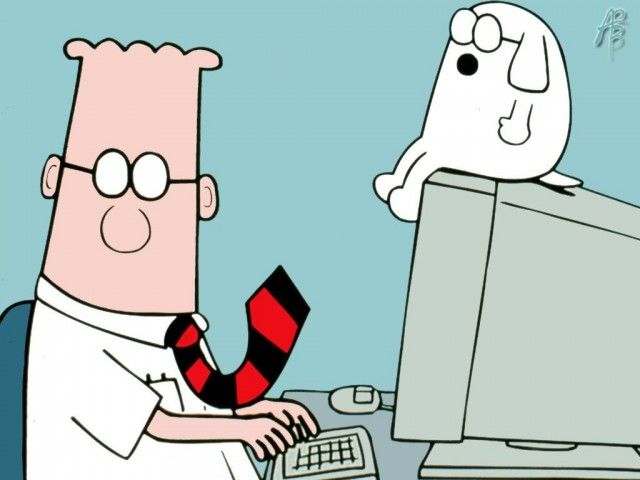
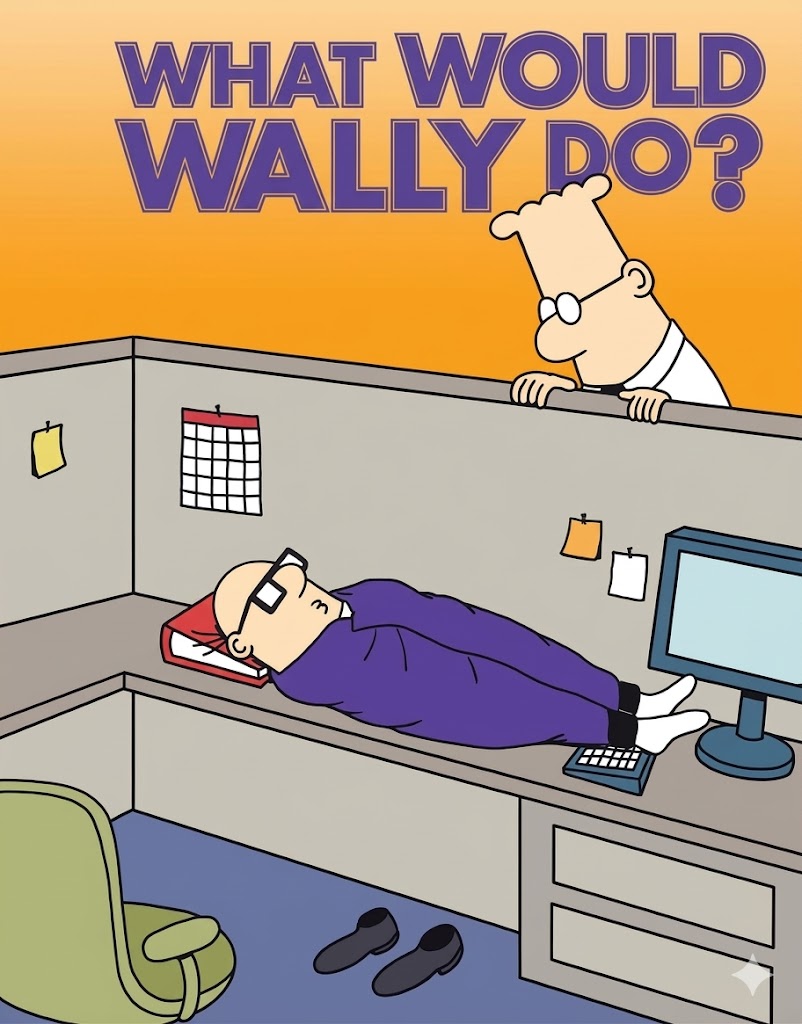
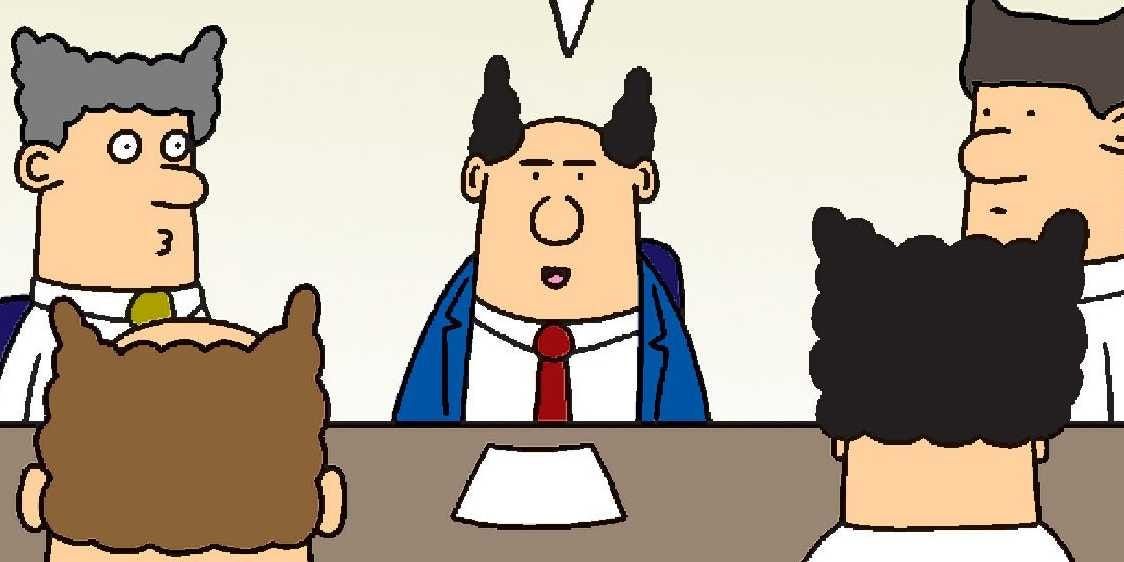
Minimalist comic strip art proves that you don't need photorealism to connect with readers — you need honesty. Simple rounded characters, flat colors, and stripped-back settings put the focus entirely on dialogue and situation comedy, creating strips that are often funnier than anything rendered in elaborate detail.
The newspaper strip tradition
The American newspaper comic strip, from the Yellow Kid in 1895 through Peanuts, Garfield, and Dilbert, developed its minimalist aesthetic partly from the constraints of small print reproduction. Strips had to read clearly at thumbnail size in black and white on cheap newsprint. The result was a school of ultra-simplified character design where personality was conveyed entirely through shape, posture, and expression. Scott Adams's Dilbert, launched in 1989, became particularly influential — its deliberately plain visual style foregrounding the absurdity of corporate culture with pitch-perfect deadpan.
When less is funnier
The genius of the minimalist strip style is that visual simplicity amplifies comedy. A character with a perfectly round head and two dots for eyes can convey deadpan resignation, explosive rage, or dawning horror with tiny adjustments — and because the character design is already so reduced, those adjustments read loud and clear. The flat, uncluttered backgrounds mean nothing distracts from the reaction shot. This style is the perfect vehicle for workplace comedy, dry observational humor, and stories where the joke lives in the dialogue and the pause.
Create a story in this style →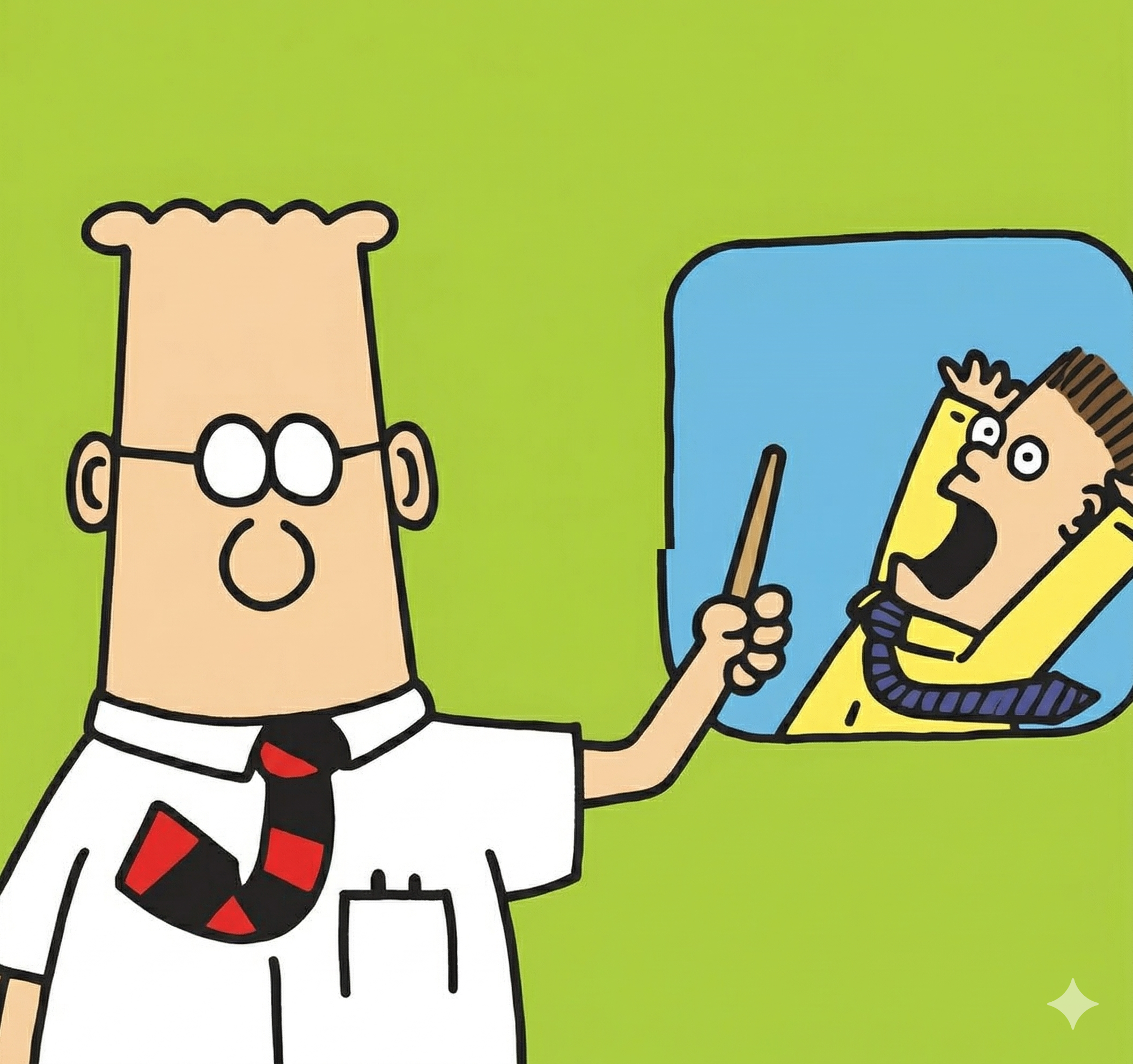
Style Characteristics
Origin
1895, USA
Best for
Comedy, Workplace, Slice-of-life
Mood
Dry, Witty
Complexity
Low
Ready?
Start your story
in Minimalist Comic Strip.
YarnSaga generates consistent, publication-ready panels in this style — across every character, every scene, every page. Credit packs from $6.