Art Style
Classic TV Cartoon Comic Style
Saturday mornings, flat colors, and timeless charm
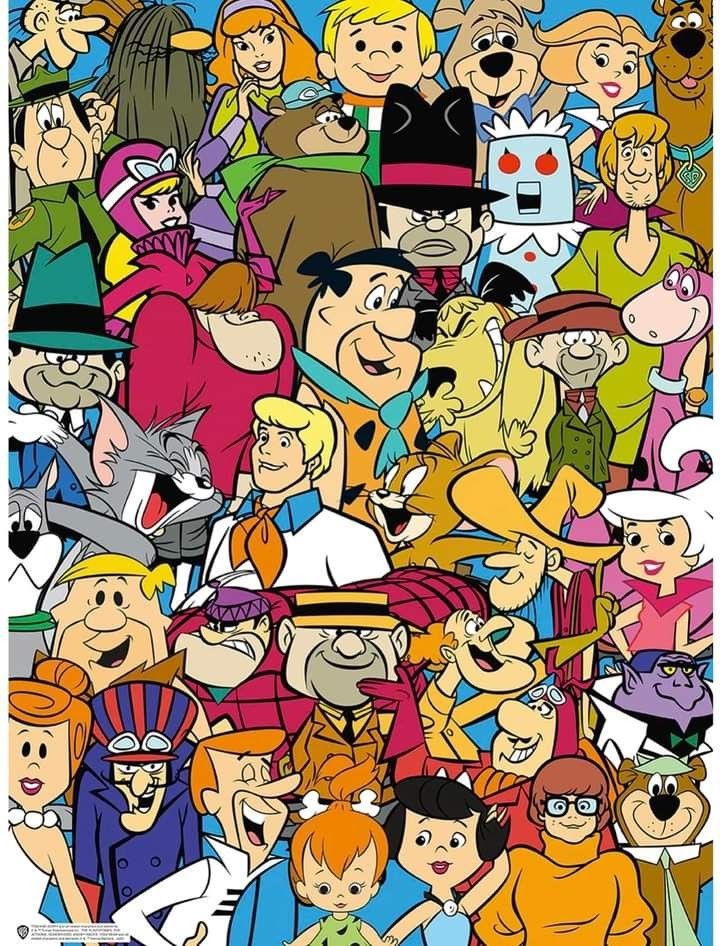
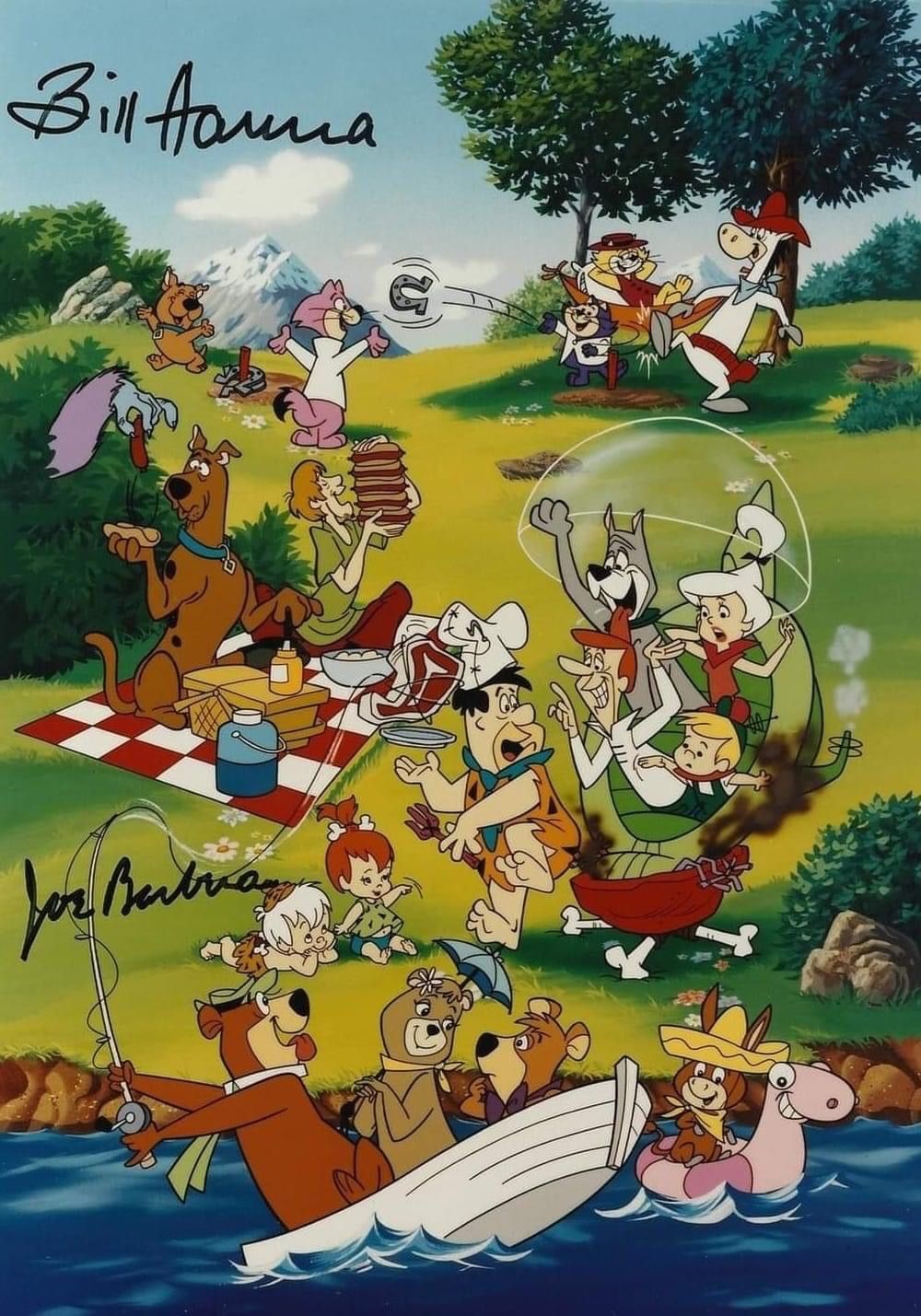
Classic TV cartoon art is the visual language of childhood. Hanna-Barbera's distinctive style — simple outlines, flat cel colors, round friendly characters — defined Saturday morning television for three generations and established a visual vocabulary that remains instantly recognizable worldwide.
How budget constraints created an art form
William Hanna and Joseph Barbera founded their studio in 1957 after leaving MGM, and their limited animation style was born partly of necessity. Television budgets couldn't support the full animation of theatrical cartoons, so the team developed techniques to maximize visual appeal with fewer frames: strong graphic character designs, bold outlines, limited but carefully chosen color palettes. The result — seen in The Flintstones, Scooby-Doo, Yogi Bear, and Top Cat — became its own beloved aesthetic that generations grew up with.
Why simplicity creates warmth
The Hanna-Barbera style works because its simplicity is also its personality. Round, friendly shapes communicate approachability before a character speaks a word. The flat color fills and bold outlines give characters a graphic clarity that reads perfectly on any screen size. The deliberate avoidance of complex shading or texture keeps the focus entirely on character and story — exactly what the best children's entertainment needs. This style is a masterclass in doing more with less.
Create a story in this style →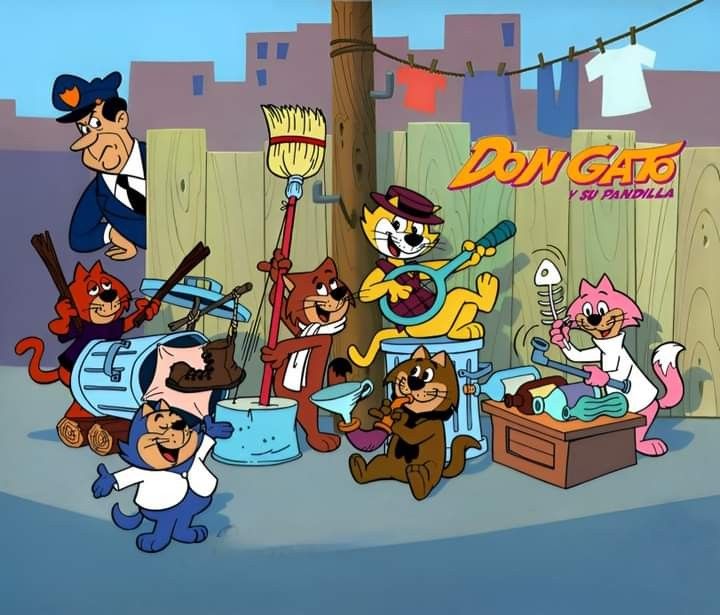
Style Characteristics
Origin
1957, USA
Best for
Comedy, Family, Adventure
Mood
Nostalgic, Cheerful
Complexity
Low
Ready?
Start your story
in Classic TV Cartoon.
YarnSaga generates consistent, publication-ready panels in this style — across every character, every scene, every page. Credit packs from $6.