Stan Lee's Real Genius Wasn't the Powers. It Was Giving Spider-Man a Landlord Problem.
May 5, 2026 · 5 min read
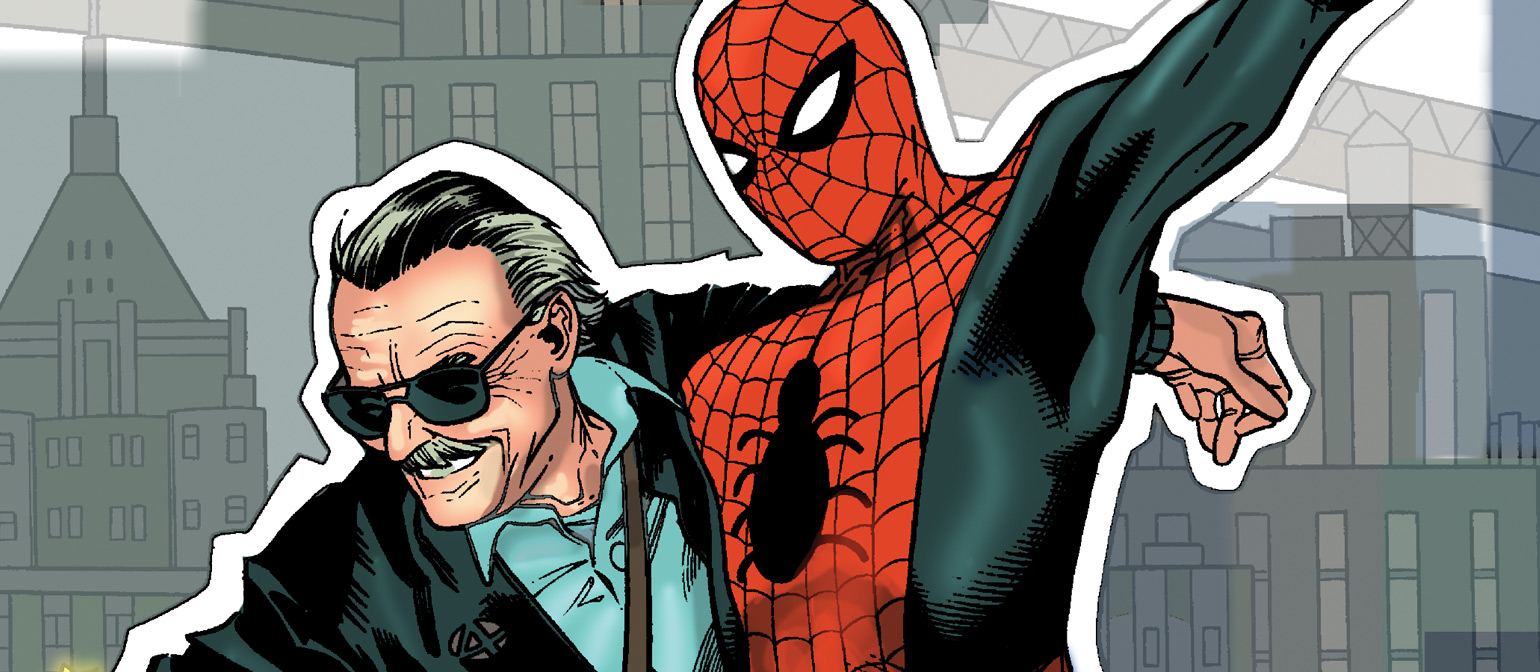
Superhero lands. Rent is still due Monday.
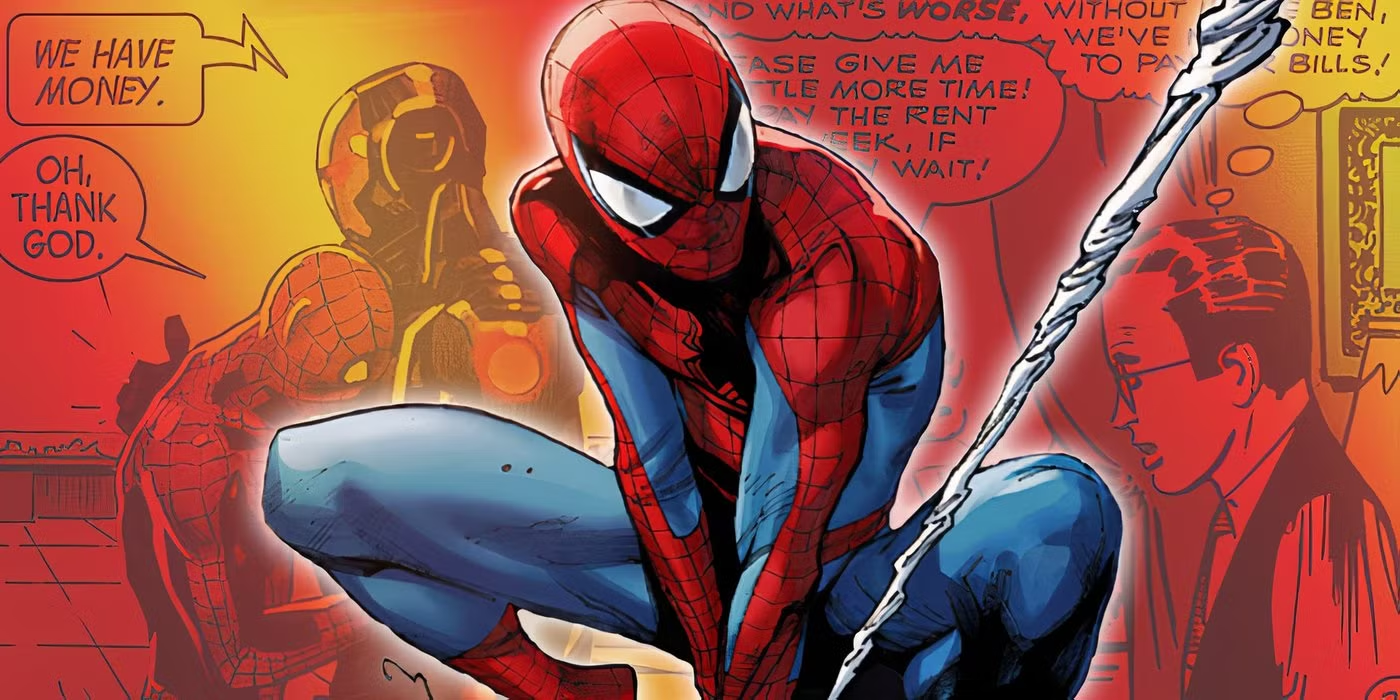
That's the line that captures why Stan Lee changed comics forever. While other creators gave their heroes god-like abilities and epic battles, Lee grounded his characters in the messy, everyday realities of life. Peter Parker didn't just fight villains — he worried about paying the rent, keeping his job, and disappointing Aunt May. That simple choice made superheroes feel human.
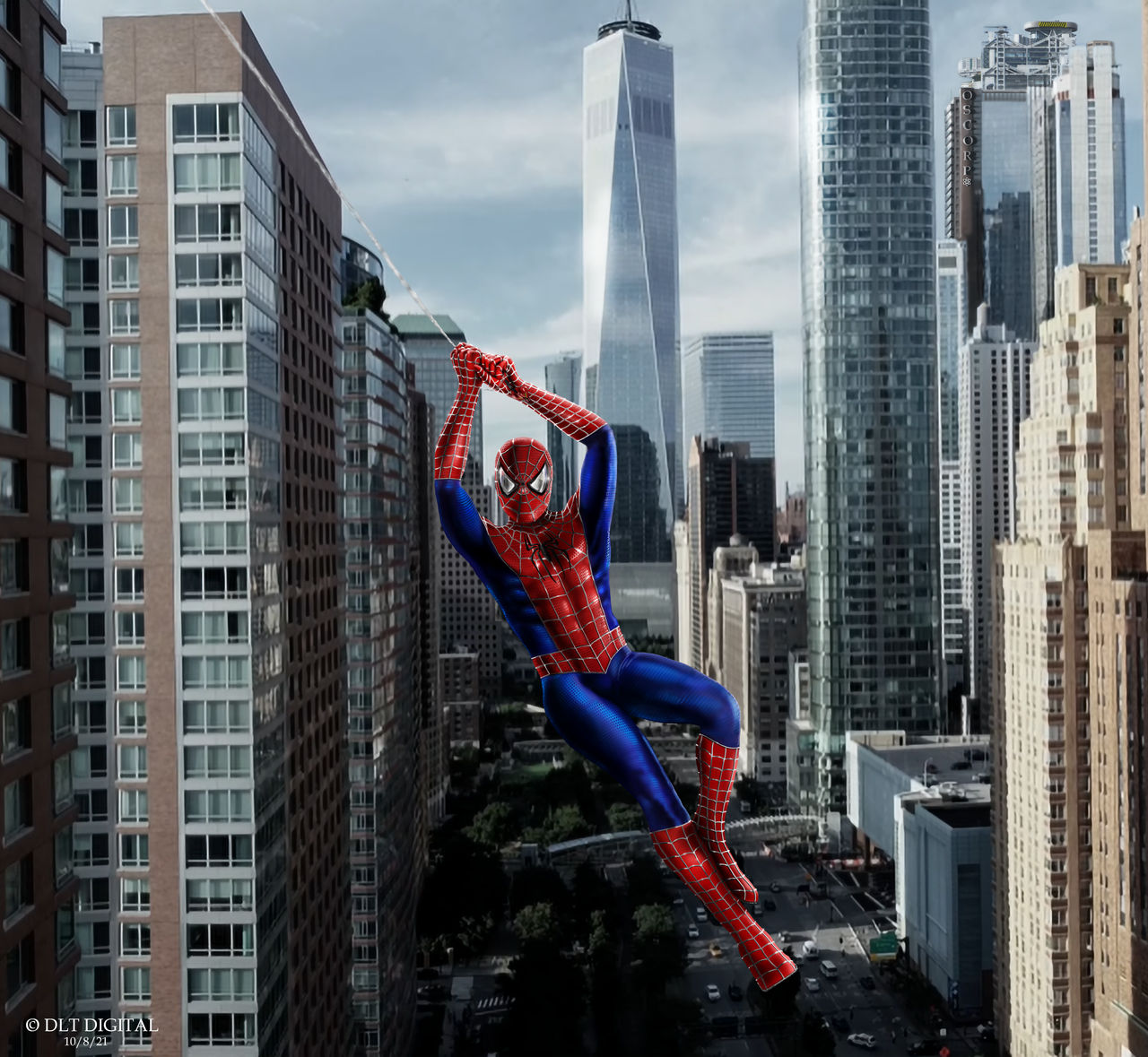
The Man Who Humanized Heroes
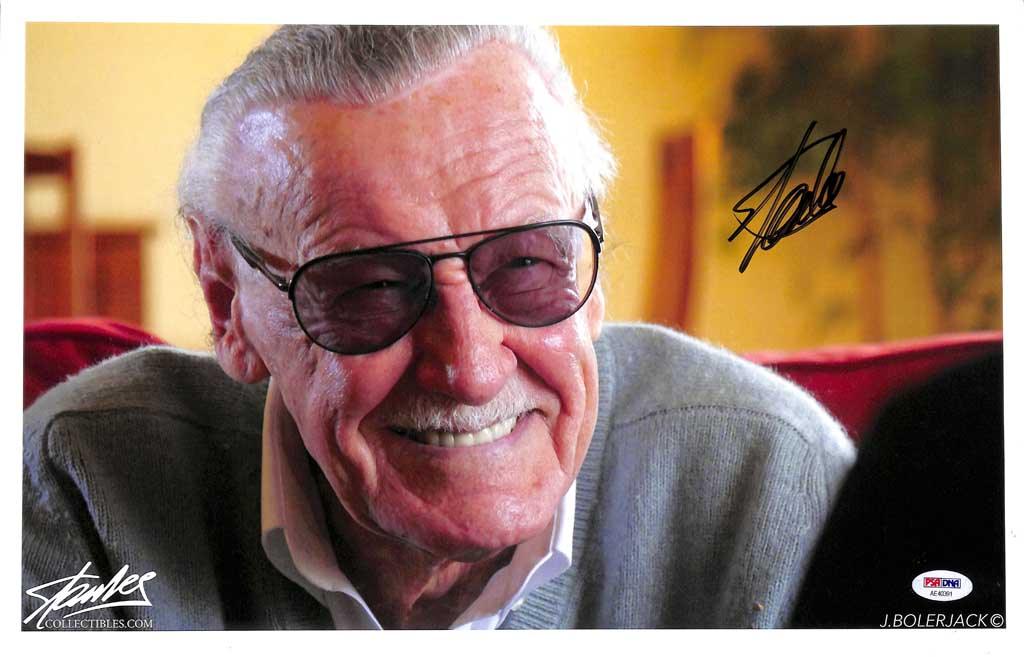
Stan Lee, the legendary co-creator of Spider-Man, the X-Men, the Fantastic Four, and so many more, understood something profound about storytelling. Powers alone don't create connection. Relatable struggles do.
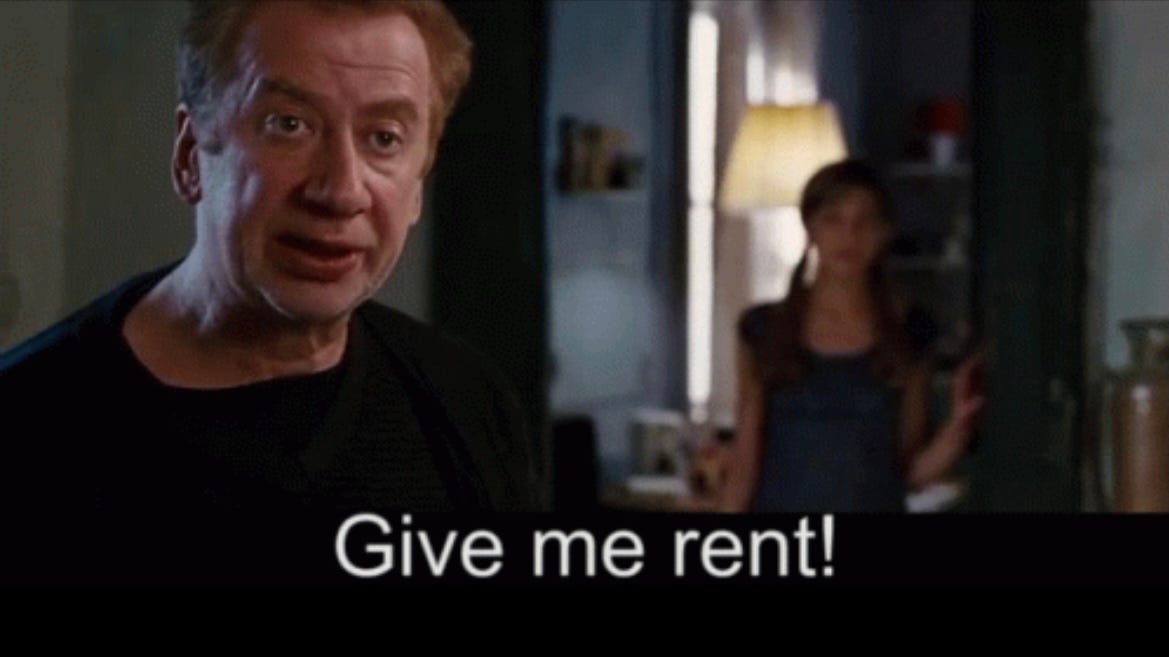
Lee's Spider-Man wasn't a billionaire playboy like Tony Stark or an alien god like Superman. He was a broke, nerdy teenager from Queens trying to make ends meet. One day he's stopping a bank robbery; the next, he's dodging his landlord or begging for an advance from J. Jonah Jameson.
This wasn't an accident. Lee deliberately infused his characters with real-world problems to make them more engaging. Peter Parker's financial woes, romantic troubles, and guilt over Uncle Ben's death turned him into an icon. Readers saw themselves in the web-slinger.
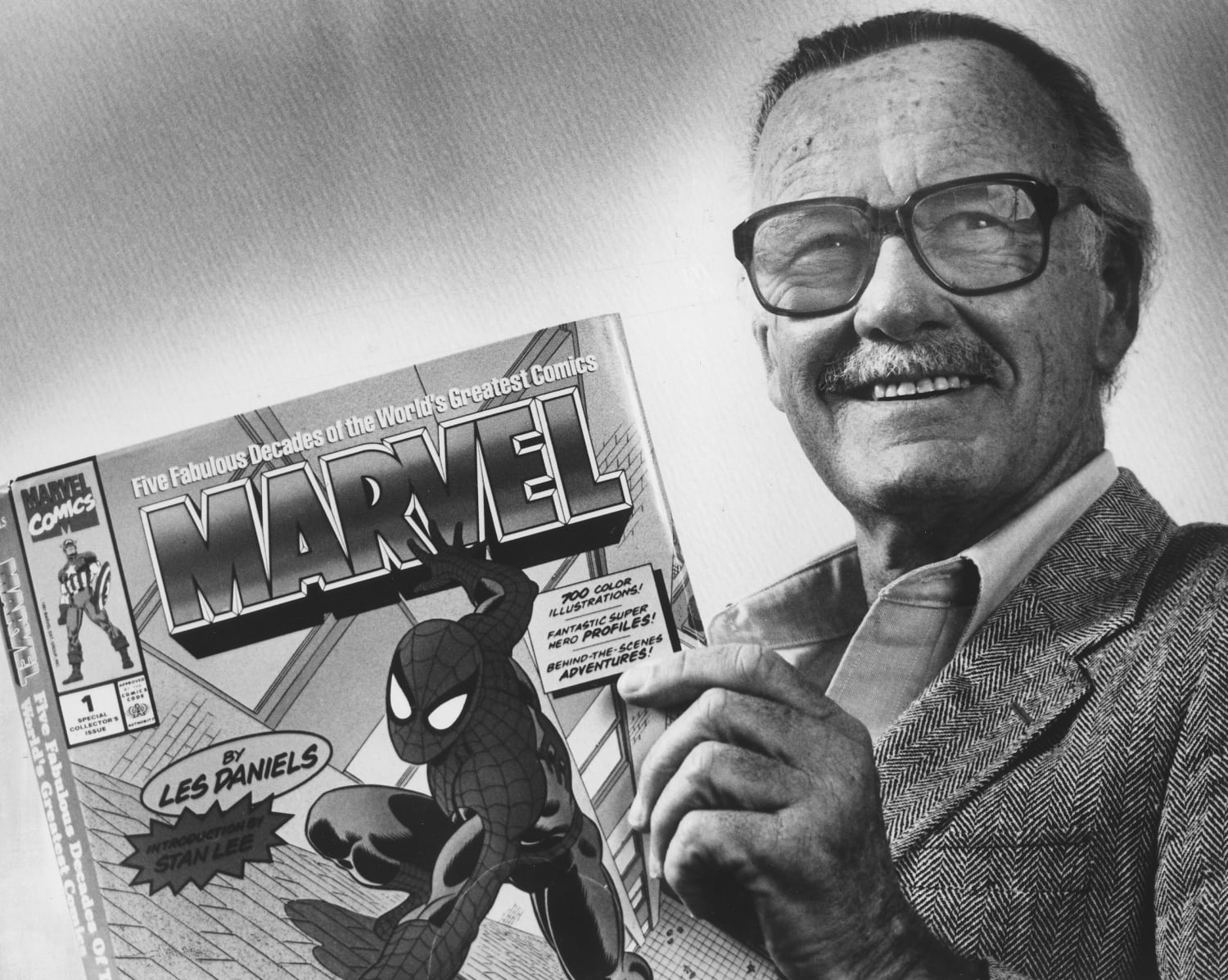
Why a Landlord Problem Matters
Think about it: how many superhero stories before Spider-Man showed the hero scraping by? Most operated in a world of unlimited resources or cosmic stakes. Lee flipped the script.
- Spider-Man swings through the city like a god, but lands as a kid who can't afford groceries.
- He saves the day, but still gets yelled at for being late on rent.
- Bills pile up. Deadlines loom. Life doesn't pause just because you have superpowers.
This duality — extraordinary abilities paired with ordinary problems — created endless storytelling gold. It made victories sweeter and failures more painful. When Peter Parker succeeds despite everything stacked against him, we cheer louder because we know exactly how hard that is.
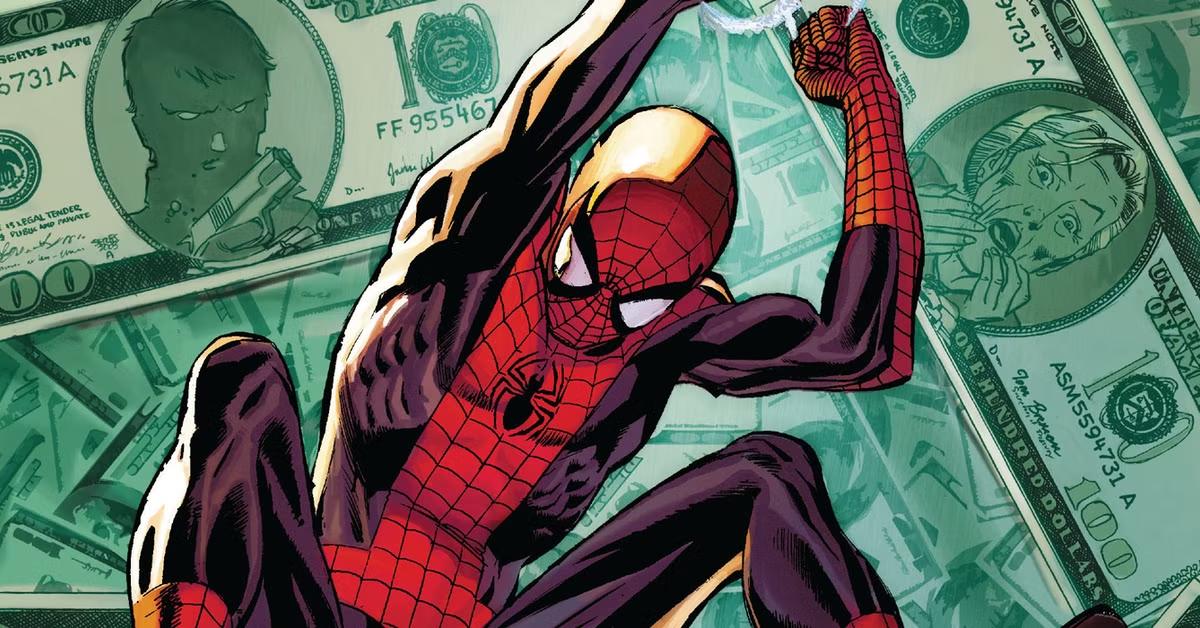
The Legacy of Relatable Heroes
Lee's approach didn't just make better stories — it revolutionized the industry. Marvel Comics exploded in popularity because their characters felt real. Readers connected with Peter Parker's money troubles, Reed Richards' family drama, or the X-Men's fight against prejudice.
Even today, the best superhero stories borrow from this playbook. The MCU thrives on character flaws and everyday stakes alongside the spectacle. Without Stan Lee's blueprint, modern superhero media would look very different.
Excelsior!
Stan Lee's genius was seeing that the most powerful thing in a story isn't flight or super strength — it's humanity. Giving Spider-Man a landlord problem reminded us that even heroes have to deal with the rent due Monday.
Thanks, Stan. 'Nuff said.
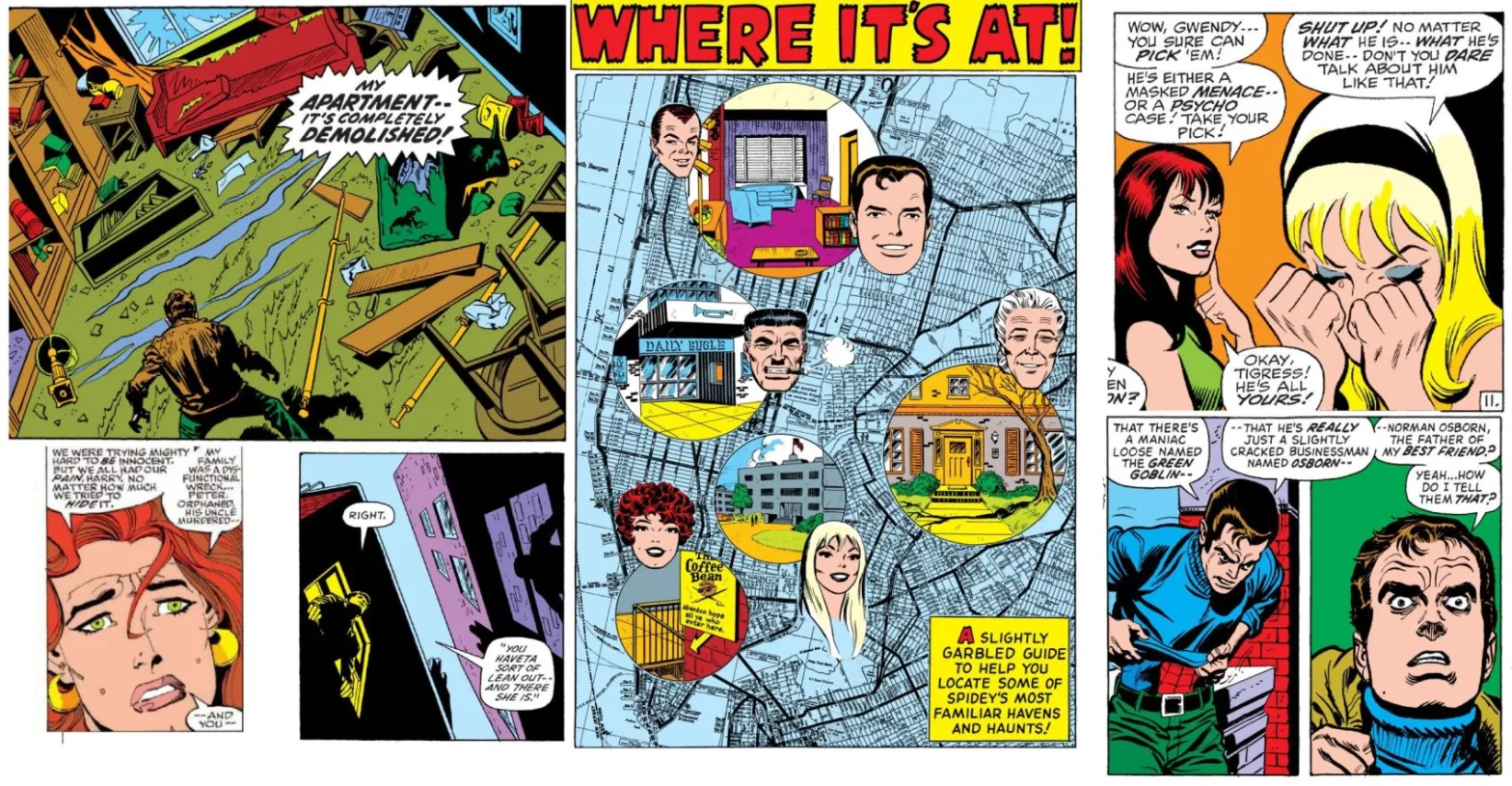
What's your favorite "real life" moment from a superhero story? Share in the comments below.
Ready to write your own story where the hero lands and rent is still due? Create your first graphic novel on YarnSaga →
No drawing skills. No illustrator. Just your story.
Create your first story — no drawing skills needed
Characters stay consistent across every panel, automatically.
Request Early Access →More Articles
Explore YarnSaga