Chibi vs Kawaii: What's the Difference in Art Style?
May 2, 2026 · 6 min read
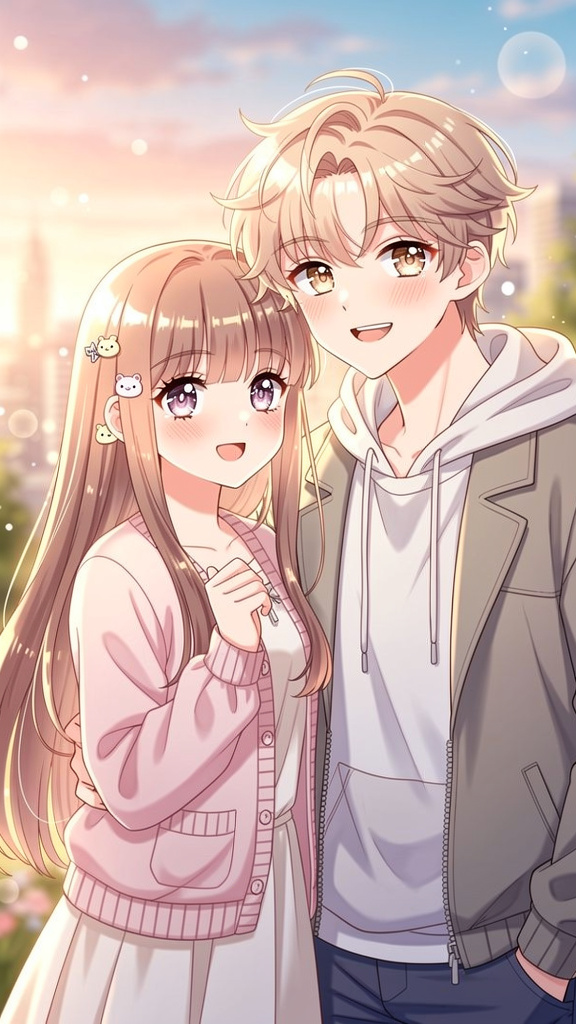
If you've spent any time in anime, manga, or character design communities, you've heard both words. Often in the same sentence. Often used interchangeably. But chibi and kawaii are not the same thing — and understanding the difference will change how you think about character design, comic art styles, and why certain panels make readers immediately smile.
Kawaii: An Aesthetic, Not a Style
Kawaii (かわいい) is a Japanese word meaning "cute," "adorable," or "lovable." But in the context of art and culture, it's less a drawing style and more a feeling — a pervasive aesthetic philosophy that values softness, roundness, innocence, and emotional warmth.
Kawaii art tends to feature:
- Soft, pastel color palettes — pinks, lilacs, mint greens, creamy yellows
- Round shapes with minimal sharp edges
- Large, glassy eyes with detailed catchlights
- Rosy, airbrushed cheeks
- Gentle, cozy moods — wholesome rather than dramatic
Kawaii is an aesthetic that can be applied to any character — a fully proportioned manga heroine can be drawn in a kawaii style. It's about the color, mood, and emotional register of the art, not the character's body proportions.
Chibi: A Character Proportion Style
Chibi (ちび) literally means "short person" or "small child" in Japanese. In art, it refers to a specific drawing style where characters are rendered with exaggerated proportions: a very large head (often 1/2 to 1/3 of the total body height), tiny bodies, stubby limbs, and simplified facial features.
Chibi is a structural style. It changes the shape and proportions of the character, not just the color palette. A chibi character is immediately recognizable regardless of color scheme — even in black and white, the proportion exaggeration makes it unmistakably chibi.
Classic chibi characteristics:
- Head-to-body ratio of 1:1 to 1:3 (vs. 1:7 or 1:8 in realistic styles)
- Simplified hands — often mitten-like or with only three fingers
- Large expressive eyes, often even bigger than in standard manga
- Minimal or absent nose and mouth in neutral expressions
- Tiny, simplified feet and limbs
The Key Difference
Think of it this way: kawaii is a mood. Chibi is a shape.
You can draw a chibi character that isn't particularly kawaii — a tiny, chibi-proportioned villain in harsh reds and blacks reads as funny or ironic, not cute. And you can draw a kawaii character that isn't chibi — a full-proportioned girl in soft pastels with rosy cheeks is pure kawaii without any chibi distortion.
But the two styles are natural allies. Chibi proportions amplify the emotional cuteness of kawaii aesthetics. That's why they're so often combined — and why people get confused. Most of what you see labeled "chibi" online is actually chibi + kawaii, not one or the other.
How Each Style Is Used in Comics and Manga
In sequential storytelling, chibi and kawaii serve different but complementary roles.
Chibi moments in manga
Manga artists have used chibi as a comedic device for decades. When a serious character reacts with exaggerated emotion — embarrassment, shock, joy — artists will switch to a chibi rendering for that panel. It signals to the reader: this is a comedic beat. It's a visual shorthand that readers understand instantly, even across language barriers.
Full chibi-style manga (like much of Attack on Titan: Junior High or Hetalia) uses the proportions throughout — turning normally serious characters into perpetually cute and funny versions of themselves.
Kawaii as a genre aesthetic
Kawaii is the dominant aesthetic in slice-of-life manga, magical girl stories, and romance webtoons. It's not a single art moment — it's the temperature of the entire story. Soft colors, gentle lighting, characters who emote warmly rather than dramatically. The art signals to readers before they read a word: this story will be wholesome and feel-good.
Chibi vs Kawaii in AI Art Generation
For AI comic creators, the distinction matters when you're choosing your art style. Chibi and kawaii overlap in most AI style libraries, but they produce notably different results:
- Prompting for chibi: You're asking the model to alter proportions. Key terms include "chibi style," "super deformed," "SD character," "big head small body." The result should visibly change how your character is shaped.
- Prompting for kawaii: You're asking for an aesthetic shift. Key terms include "kawaii aesthetic," "pastel colors," "soft lighting," "rosy cheeks," "cute and wholesome," "glass eyes." The character proportions may not change at all.
In YarnSaga, the Chibi / Kawaii style combines both: characters rendered with chibi proportions and a full kawaii aesthetic — rosy cheeks, glassy eyes, soft pastel palettes, and a wholesome, cozy mood. It's the version of the style most familiar to Western readers of modern manga and webtoons.
Which Should You Use for Your Comic?
Use pure kawaii aesthetic when:
- Your story has realistic proportions but a warm, cute emotional register
- You're writing slice-of-life, romance, or wholesome fantasy
- You want characters to feel relatable and emotionally expressive
Use chibi style when:
- Comedy is central to your story's identity
- You want the visual shorthand of "this is a fun, lighthearted story"
- Your characters benefit from exaggerated emotional reactions in key panels
- You're creating mascots, stickers, or character merchandise designs
Use chibi + kawaii combined when you want both — the structural cuteness of chibi proportions and the soft, warm, pastel emotional register of kawaii. This is the most common approach in modern webtoons and is what most readers picture when they think of "cute anime art."
The Simplest Answer
If someone asks you "chibi vs kawaii, what's the difference?" — here's the one-sentence answer:
Chibi is about how big the head is. Kawaii is about how warm the feeling is.
They overlap constantly. They work beautifully together. But they're not the same thing — and knowing the difference makes you a better comic creator.
If you want to see both in action, YarnSaga's Chibi / Kawaii style generates consistent characters in the combined aesthetic — from character sheet to full story panels.
Create your first story — no drawing skills needed
Characters stay consistent across every panel, automatically.
Request Early Access →More Articles
Explore YarnSaga